Water risks and resilience

As droughts and floods are growing more frequent and severe, driven by climate change and unstable water cycles, the protection and sustainable use of water resources is fundamental to deal with the climate and environmental emergency and build resilience. Comprehensive risk management, integrated policy making and unlocking finance mechanisms are key for achieving multiple benefits and enabling better water outcomes, including through nature-based solutions.
Facts and figures
Since 2000, recorded flood disasters have risen by 134% compared with the two previous decades. (GAR 2025)
Freshwater populations have declined by 85% since the past 50 years (WWF, 2024).
42% of global land area had below-normal water storage in 2025 (WMO, 2025).
The year 2025, was the third hottest year on record and experienced new hydrological extremes. (Global Water Monitor, 2025).
What we do
Strengthening and increasing access to early warning systems
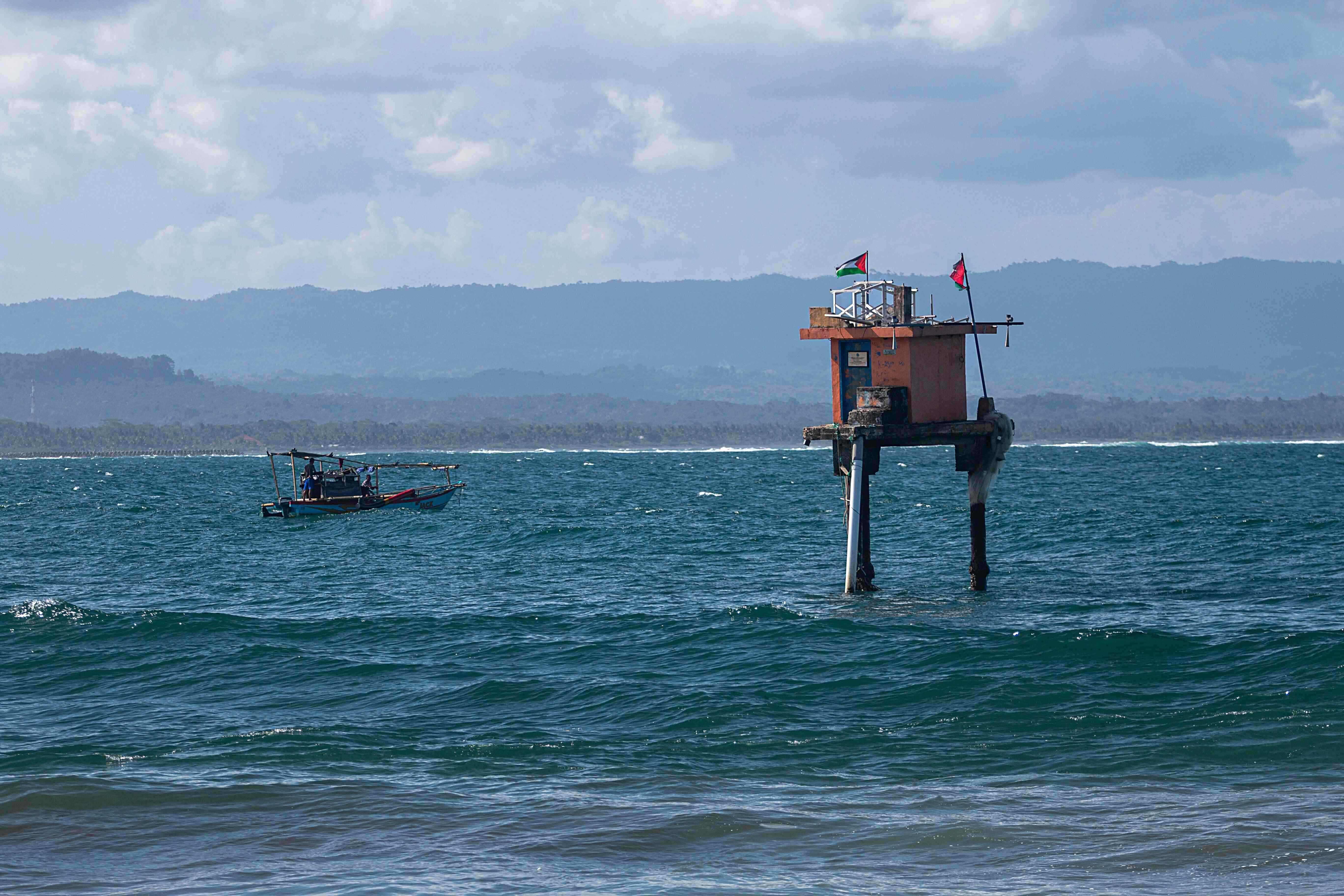
Multi-hazard early warning systems (MHEWS) and water-related risk data and information provide an integrated system for anticipating predictable stresses and shocks as well as for taking early and anticipatory action. Integrating water data into early warning and early action responds to Sendai Framework priority 1 "understanding disaster risk" as well as Target G by applying a cross-sectoral approach.
WMO and UNDRR are leading the Early Warnings For All Initiative to ensure that everyone on earth is covered by early warning systems by 2027. UNDRR, UNDP and WMO have also jointly developed DELTA Resilience (Disaster losses and damages tracking system), helping countries build nationally owned disaster-loss tracking systems.
Promoting integrated risk-informed policymaking and water governance
A comprehensive risk management approach helps to reconcile climate change adaptation and disaster risk reduction by systematically addressing climate change in light of water-related hazards. By aligning national adaptation goals and disaster risk strategies, the resilience of societies can be increased.
Integrated water resources management, supported by comprehensive risk management and increased convergence between relevant intergovernmental processes and agendas enables critical cross-sectoral linkages.
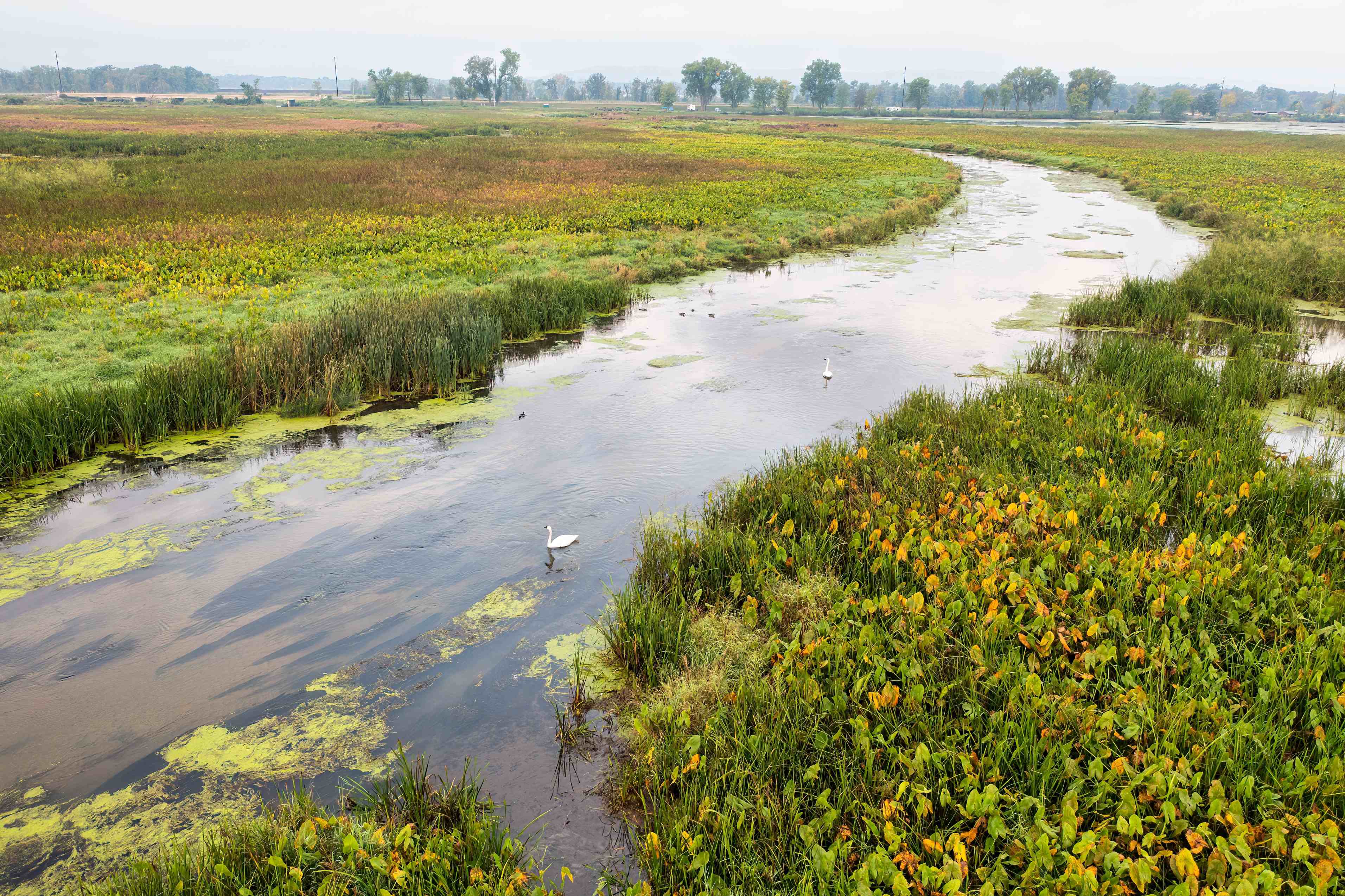
Through integrated and risk-informed water governance, multiple objectives can be achieved, including increased resilience, DRR, freshwater biodiversity conservation and environmental protection, climate change mitigation and adaptation, human health and wellbeing, etc.
Nature-based solutions (NbS) or hybrid approaches (those combining NbS with grey infrastructure solutions) provide an important entry-point for addressing water-related disaster risks in a cost-effective and efficient manner, while providing multiple benefits. For instance, an estimated US$ 625 million in flood damages during hurricane Sandy could have been avoided, if wetlands were deployed for disaster risk reduction.
Supporting risk-informed and sustainable investments
Integration of risk considerations into the final stretch of the Water Action Decade also requires financing risk-informed sustainable development and integrated water resources management. In this regard, policymakers need to make private companies more accountable for their management of water resources and the measures they take to reduce water-related risks. This requires changing disclosure rules for large companies to ensure sustainability reporting that covers exposure and vulnerability to water risks. In turn, this will enable investors to integrate this information in investment decisions.
Environmental Economic Accounting can unlock investments for water-related climate and environmental resilience-building, particularly in the growing areas of climate finance and NbS. Financing is also critical for the development of resilient water infrastructure.
Water infrastructure resilience
There is an urgent need to enhance infrastructure resilience, including through NbS that build adaptive capacity while reducing risk. The UNDRR Principles for Resilient Infrastructure provide guidelines and criteria to help stakeholders (governments, private sector, regulators, and communities) better understand what infrastructure resilience entails, and to ensure that resilience is embedded into infrastructure decisions and investments. By adopting these principles, public and private investors can enhance the resilience of water infrastructure systems and protect their investment, while reducing costs over time.
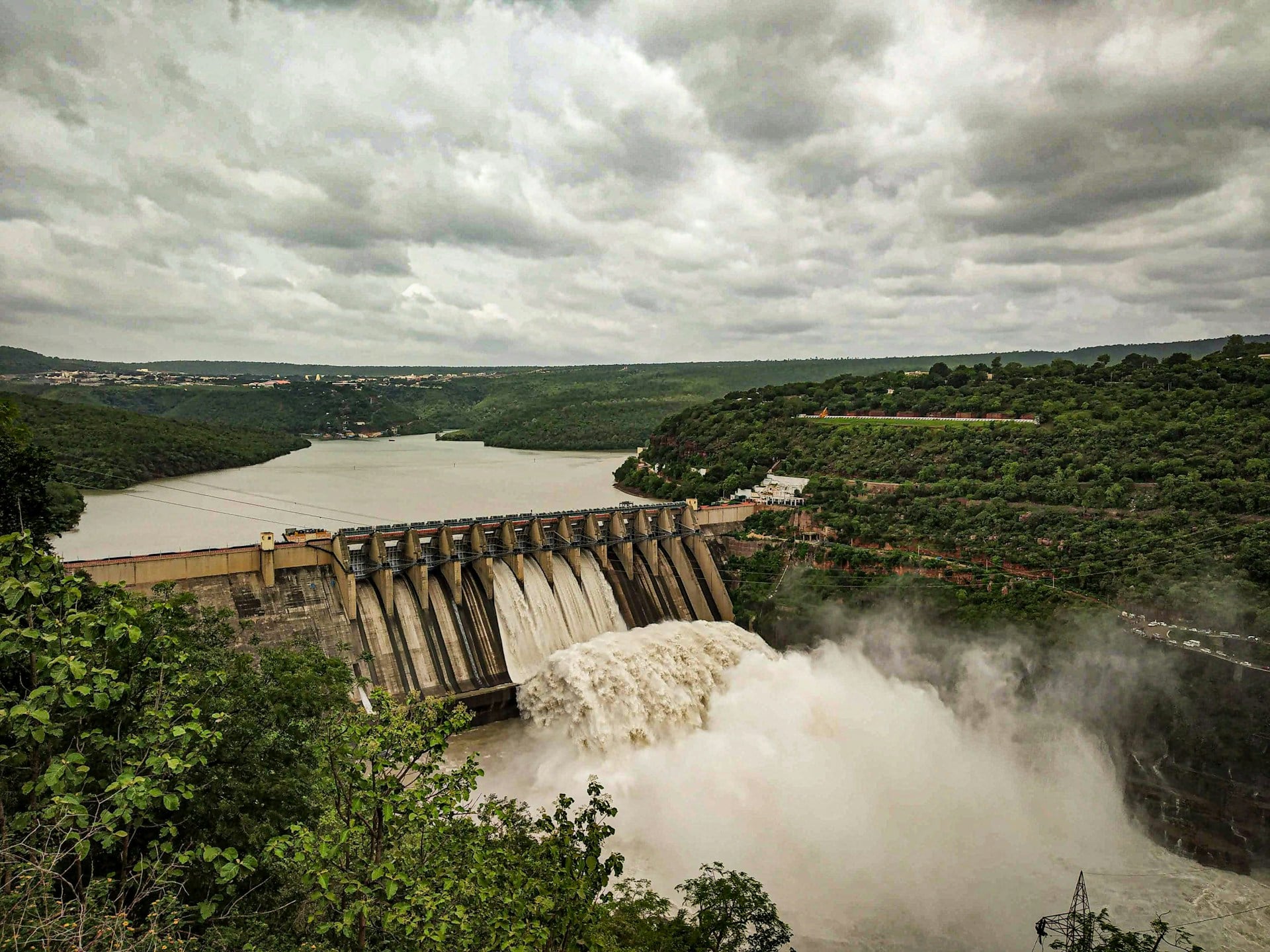
UNDRR is also expanding its approach to infrastructure resilience through the Nature-based Solutions for Sustainable Infrastructure Initiative (NbS4SII), launched in 2026, which aims at reinforcing the role of forests, wetlands, watersheds and healthy soils alongside reservoirs, drainage and protective structures.
Looking ahead to the 2026 UN Water Conference
The UN 2023 Water Conference was a milestone for the international water agenda, with Disaster Risk Reduction (DRR) featuring prominently, including through Interactive Dialogues.
Building on that momentum, the 2026 UN Water Conference (2-4 December 2026, UAE) is an opportunity to focus attention and mobilize support for resilience investment worldwide and to showcase DRR as an enabler of resilience and economic development, not merely a cost of disaster response. UNDRR will contribute through Interactive Dialogues and a side event, Reducing drought risk through prevention, early warning and anticipatory action.
UNDRR continues to support Member States in embedding DRR across the water agenda, including through the Global Platform for DRR and the UN System-Wide Strategy for Water and Sanitation.