Disaster risk reduction in landlocked developing countries

Disaster risks faced by LLDCs
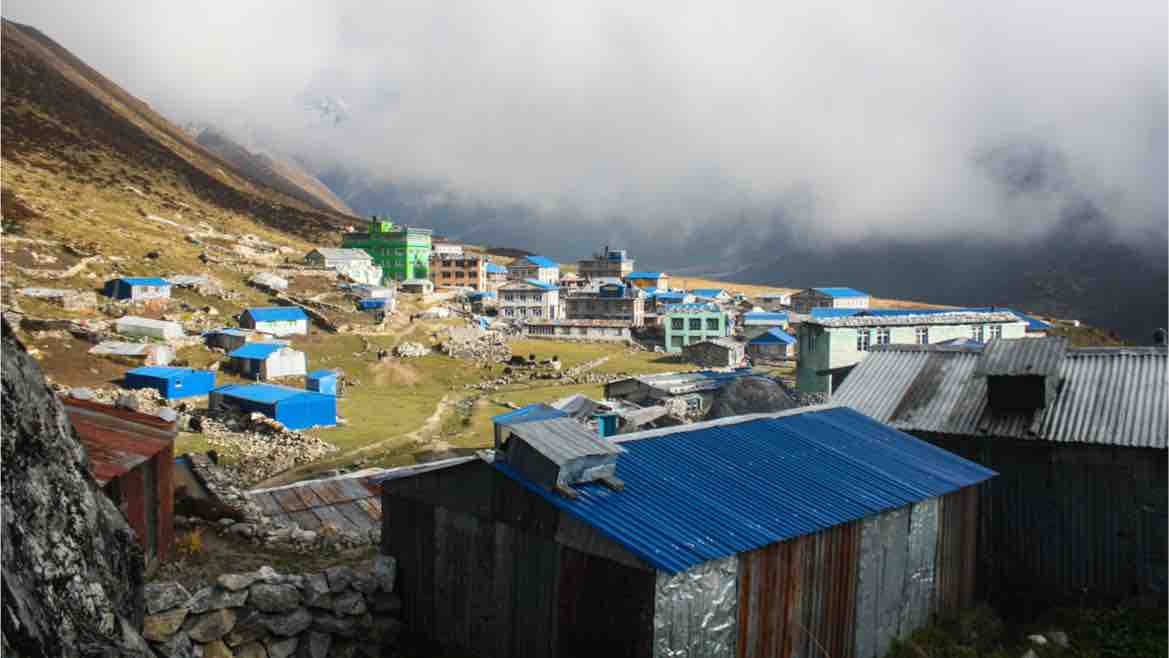
Landlocked developing countries (LLDCs) face unique challenges due to their lack of territorial access to the sea and geographical remoteness, which also increases their vulnerability to the impacts of disasters. Many LLDCs are situated in regions prone to climate-related disasters, including extreme weather events amplified by climate change. LLDCs suffer disproportionately due to limited overland transportation infrastructure, including roads and bridges, as well as telecommunications networks. In terms of reducing disaster risks, inadequate infrastructure can hinder evacuation efforts and prolong recovery efforts.
These aspects weaken trade, energy and transportation infrastructure, impact communication routes, and impose a direct cost on transit trade, which consequently limits the ability of LLDCs to integrate in global markets and make progress on their sustainable development goals. LLDCs face special trade and development challenges, arising from their lack of territorial access to the sea and geographical remoteness from international markets. These economic challenges can hamper the ability of landlocked countries to invest in disaster risk reduction measures and limit their capacity to recover from disasters.
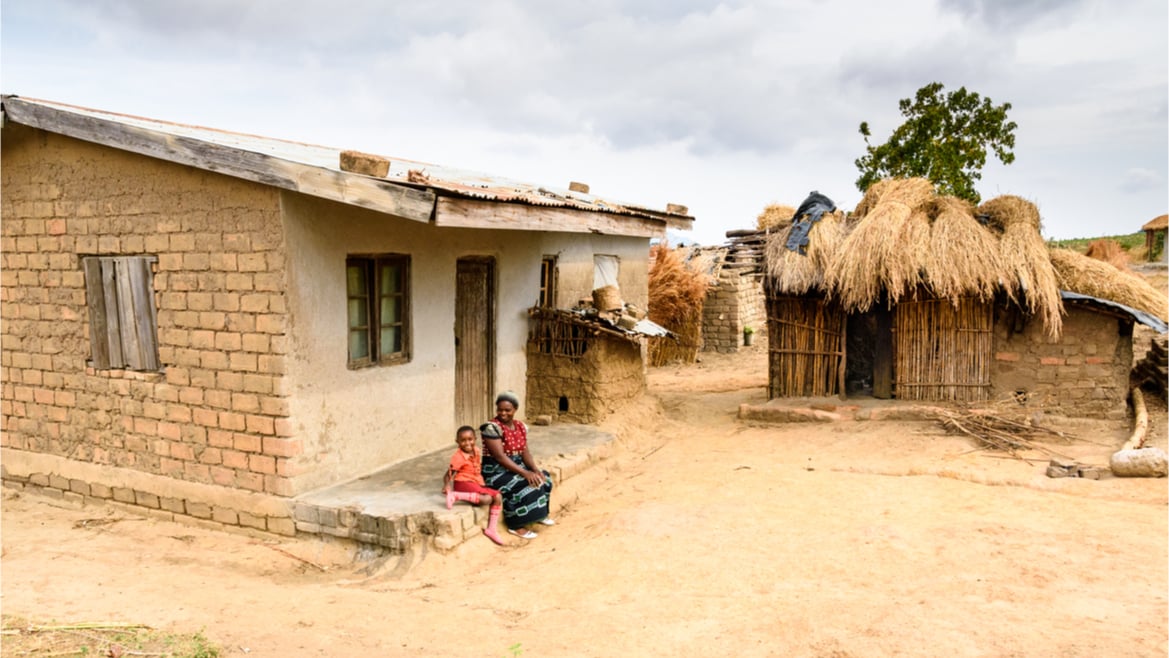
Landlocked developing countries (LLDCs) must prioritize risk-informed development in the face of an increasingly complex set of threats and risks which undermine development gains and obstruct future plans. Strengthening resilience is urgent to achieve sustainable development and safeguard past gains.
State of disaster risk reduction efforts in LLDCs
72%
LLDCs reported having national disaster risk reduction strategies.
63%
LLDCs reported having access to multi-hazard early warning systems.
60%
LLDCs have reported having local DRR strategies in place.
Facts and figures: Impact of disasters on LLDCs
- LLDCs are increasingly affected by floods, heatwaves, storms, droughts and glacial lake outburst floods. A number of LLDCs are located in seismically active regions, with a high risk of earthquakes and secondary hazards, such as landslides, which cause widescale damage to infrastructure, property, health and sanitation, and loss of life. (APoA)
- Approximately 54 per cent of LLDCs’ land is classified as dryland and 60 per cent of the population in LLDCs are located in these drylands. Many of the landlocked developing countries are mountainous countries, making them more vulnerable to the impact of climate change and environmental degradation that is also exacerbated by climate change. (APoA, 2022)
- Disaster mortality rates averaged 2.69 deaths annually per 100,000 population in reporting LLDCs during the period 2015-2024, significantly higher than the 0.75 per 100,000 population global average. (UNDRR, 2025)
- The average number of disaster-affected people per 100,000 was 4,263 in LLDCs between 2015 and 2024, compared to the global average of 2,839. (UNDRR, 2025)
- 29,411 critical infrastructure units and facilities were destroyed or damaged by disasters every year during the period 2015–2024. (UNDRR, 2025)
- Direct economic losses attributed to disasters of 1.44 per cent of LLDC’s GDP in the period 2015-2024, in comparison to a global average of 0.28. (UNDRR, 2025)
Awaza Programme of Action for LLDCs (2024-2034)
Adopted by the United Nations General Assembly in December 2024 (A/RES/79/233), the Awaza Programme of Action (APoA) represents a renewed global commitment to support the sustainable development of the 32 LLDCs across Africa, Asia, Europe and South America.
The APoA aims to accelerate progress toward the 2030 Agenda for Sustainable Development by addressing the persistent structural challenges faced by LLDCs due to their geographical constraints. For the first time in a Programme of Action for LLDCs, the newly adopted APoA makes explicit reference to the Sendai Framework and underscores the centrality of disaster risk reduction in advancing LLDC’s pathway towards sustainable development.
The APoA:
- Recognizes that LLDCs are vulnerable to and negatively affected by the adverse impacts of climate change, including desertification, deforestation, land degradation, droughts, heatwaves, wildfires, floods, melting mountain glaciers and glacier lake outburst floods.
- Encourages partnerships to strengthen the understanding of disaster risk, including the impacts of climate change and, more broadly, systemic risk and its application in decision-making in LLDCs, including through disaster risk reduction education, comprehensive risk management, building academic and scientific capacity, the utilization of frontier technologies and supporting traditional, Indigenous and local knowledge and practices.
- Emphasizes the urgency of scaling up action and support, including finance, capacity-building and technology transfer, to enhance adaptive capacity, strengthen resilience and reduce vulnerability to climate change in line with the best available science.
Explicit calls for disaster risk reduction and strengthened resilience include:
- Embedding Disaster Risk Reduction into Development: Embedding disaster risk reduction at the core of development policies and investments for structural economic transformation in LLDCs (paragraph 237).
- Multi-Hazard Early Warning Systems: Strengthening and expanding the coverage of multi-hazard early warning systems, especially for vulnerable populations in LLDCs, through means like the Early Warning for All Initiative (paragraphs 234-235).
- Resilience Building: Promoting comprehensive multi-hazard crisis mitigation and resilience-building measures, particularly for climate and disaster-resilient infrastructure in sectors such as transport, energy, and ICT (paragraphs 254-257).
- Risk Assessments: Conducting multidimensional and comprehensive risk assessments to address drivers of vulnerability and exposure while building resilience and reducing humanitarian impacts (paragraph 239).
- Data and Technology Transfer: Enhancing disaster-related data collection, analysis, and dissemination, including strengthening national statistical systems, and promoting technology transfer to reduce risk and build resilience (paragraphs 240-243).
- Inclusive Approaches: Encouraging partnerships to strengthen understanding of disaster risk, including the use of frontier technologies and traditional knowledge, to inform DRR strategies in LLDCs (paragraph 219).
LLDCs in the Midterm Review of the Sendai Framework
Adopted in 2023, the Political Declaration of the Midterm Review of the Sendai Framework underscores the critical link between disaster risk reduction efforts and the unique vulnerabilities faced by Landlocked Developing Countries. This acknowledgement underscores the imperative for tailored strategies and enhanced support mechanisms to address the specific challenges faced by LLDCs in mitigating disaster risks, building resilience, and fostering sustainable development pathways. More specifically, it highlights the need to:
- Prioritize risk-informed development in LLDCs in the face of an increasingly complex set of threats and risks, including the threats associated with the climate emergency.
- Enhance the capacity and capability of developing countries, particularly the LLDCs for disaster risk reduction by strengthening capacity-building investments and programs at the local and national level. As well as urgently extend the reach of multi-hazard early warning systems in LLDCs that lead to early action, including climate forecasting, to inform social protection measures.
- Increase public and private investments to anticipate, plan for, reduce and prevent disaster and to match the scale of existing and future risk. Investments must contribute to the reduction of disaster risk, the protection of lives, livelihoods and assets, resilience-building and the realization of sustainable development and poverty eradication.

Calls to Action
There is no doubt that disasters are eroding development gains and adding roadblocks to future development plans of LLDCs. Resilience to disasters must urgently be strengthened to ensure all LLDCs have the possibility of achieving long-lasting sustainable and resilient development.
Strengthening resilience and reducing vulnerability to climate change and disasters through a prevention-focused lens will be fundamental to achieving sustainable development through structural transformation in the LLDCs while allowing for sustainable development in the fields of science, technology and innovation, trade, regional integration, transit or transport and connectivity.
- Ensure that risk-informed Sustainable Development strategies are implemented, including climate-resilient development policies and projects in the LLDCs.
- An urgent and scaled-up focus on capacity building and technical assistance for disaster prevention, preparedness, and response, including resilient infrastructure, is imperative for LLDCs.
- Increase political leadership to prioritise resilient financing through global solidary and international partnerships for the LLDCs.