Urban resilience

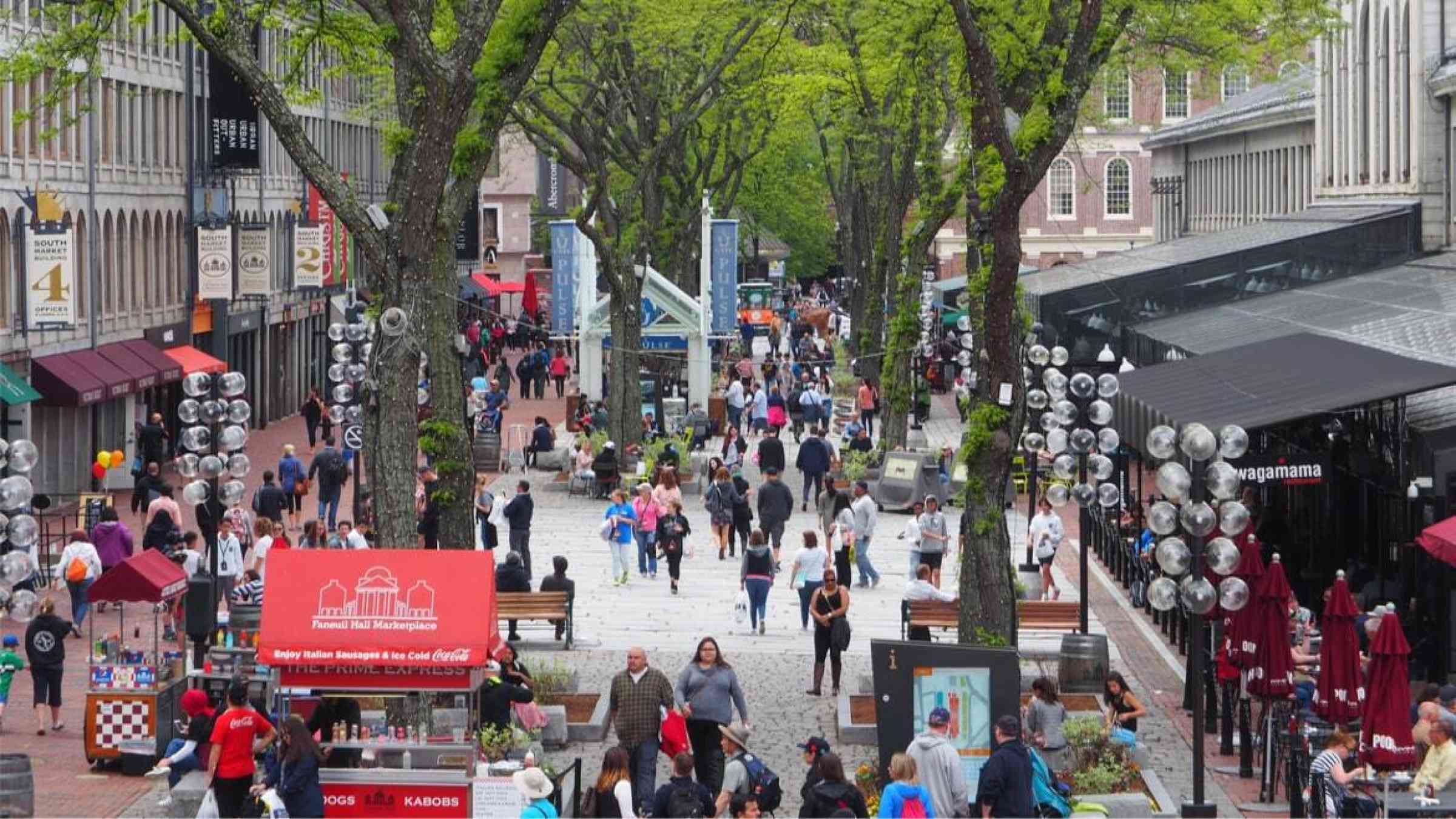
The world’s population passed 8 billion in late 2022 with much of the increase concentrated in urban areas, where more than 80 percent of global Gross Domestic Product (GDP) is generated. By 2030, 60 percent of people will live in urban areas. These cities, towns, and settlements are already home to many of the world’s development challenges – as well as many of its opportunities.
The Political Declaration of the midterm review of the Sendai Framework, adopted by countries at the UN General Assembly in May 2023, provided clear recommendations to accelerate progress on the Sustainable Development Goals and Paris Agreement on Climate Change by making cities inclusive, safe, resilient, and sustainable.
UNDRR empowers sub-national governments through locally-led disaster risk reduction (DRR). This approach places sub-national and local governments at the center of managing disaster and climate risks, equipping them with the tools, knowledge, resources, and decision-making authority. While local actors possess critical insights into their specific risks, they often face challenges in accessing data, financing and technical support. The locally-led DRR approach helps address these gaps by strengthening national and local policies, fostering multi-stakeholder collaboration, and improving access to financing and capacity development.
Leveraging initiatives such as Making Cities Resilient 2030 (MCR2030) and the UN system, it supports local actors in institutionalizing local risk governance and aligning DRR with climate plans. Key efforts include enhancing risk communication, offering practical tools and training, improving localized disaster data, and promoting inclusive strategies. In fragile settings, conflict and displacement contexts are integrated into planning. Strategic partnerships with development banks, donors, and foundations will support this global movement, positioning locally-led DRR at the core of resilience agendas and amplifying local leadership in disaster risk reduction.
At a glance

Challenges
- Inter-connected risk drivers (i.e., poverty, inequality, unplanned urban development, weak governance, decline of ecosystems) are creating an urban landscape of multiple shocks, pressures, and increased vulnerabilities.
- Systems level crises are heavily impacting urban areas. Many cities face vulnerabilities in terms of water, food, health, energy, and ecosystems as well as climate and conflict-driven urban migration.
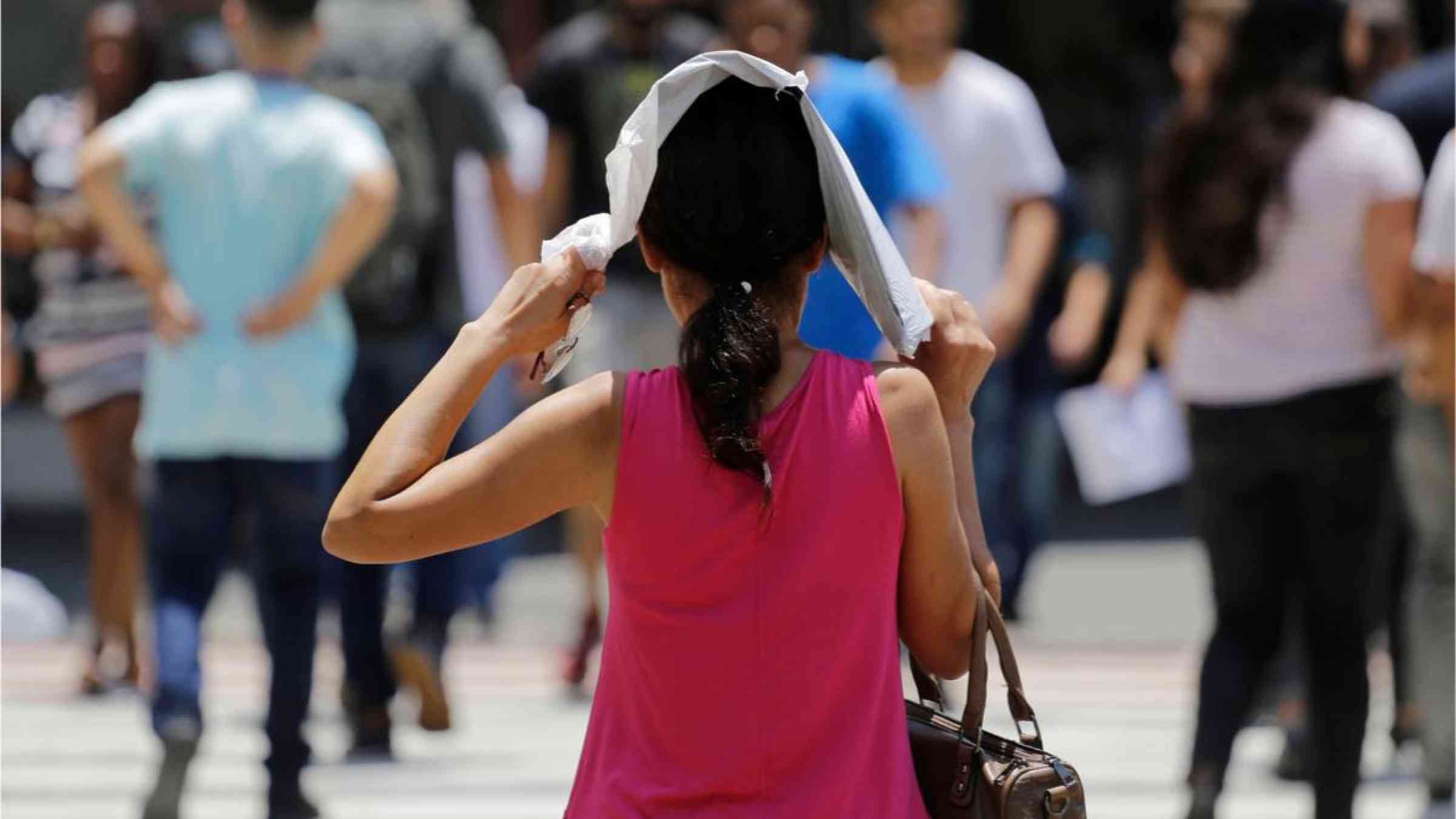
- Rapid urbanization has increased this exposure and vulnerability to disaster risk. This is particularly the case in urban areas in LDCs and SIDS, as well as in smaller, and medium-sized cities and peri-urban areas in all contexts.
- There has been limited progress in the development of local disaster risk reduction strategies as well as access to quality data and reliable risk information. Existing solutions, such as from the private sector, are not being shared at scale.
- Significant gaps persist in terms of local capacities, inclusive and integrated risk reduction strategies as well as access to data and finance.
Sendai Targets A, B, C, D & E all promote more sustainable cities and communities.
Policy recommendations
The Political Declaration of the midterm review of the Sendai Framework highlighted the major gaps in terms of implementation at the local level. To address this lack of progress, the Political Declaration calls on countries and partners to scale up support and action at the local level to strengthen climate and disaster resilience.
Specifically, the political declaration urges countries to:
- Support and enable all local authorities to have disaster risk reduction strategies and local platforms for disaster risk reduction, or similar mechanisms, in place,
- Ensure the provision of financial assistance, technical support, and capacity development to strengthen local multi-hazard risk governance and local government leadership on DRR
- Promote local ownership through community-based disaster risk management approaches and whole-of-society engagement; and
- Promote exchanges and peer learning between cities through increased participation in the Making Cities Resilient 2030 initiative
News on urban resilience


In videos
Resources

Making Cities Resilient 2030 (MCR2030)
Making Cities Resilient 2030 (MCR2030) is a United Nations-led global partnership that has mobilized national governments, national municipality associations, and local governments, committed to strengthening local disaster and climate resilience.
At the international level, MCR2030 has convened a ‘who’s who’ of partners with unmatched expertise and experience of supporting urban resilience. Specifically, MCR2030 focuses on accelerating progress against Target e) of the Sendai Framework (increased number of local DRR strategies in line with national strategies)