
Words into Action (WiA)
Nature-based solutions are
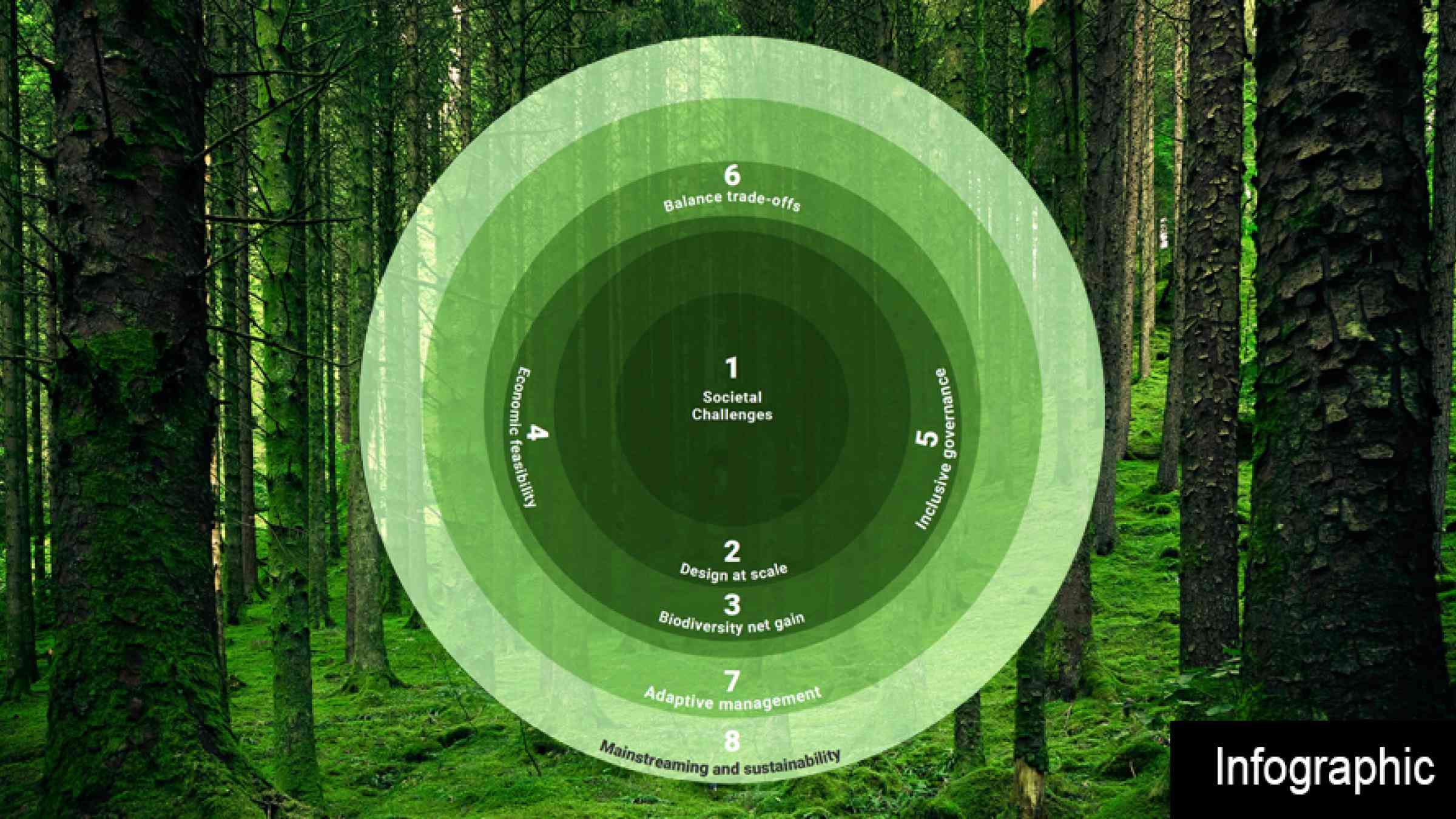
Cheap, effective and scalable, Nature-based Solutions (NbS) can help governments address the growing challenges of climate change, biodiversity loss, increased frequency of extreme weather and natural hazards as well as other human-made environmental disasters. Defined as actions that protect, sustainably manage and restore natural or modified ecosystems, NbS address many societal challenges while providing human well-being and biodiversity benefits.
While support for NbS is growing around the world, uptake varies widely from region to region due to differing levels of economic development and funding, skepticism over evidence of long-term benefits and many other interconnected factors.
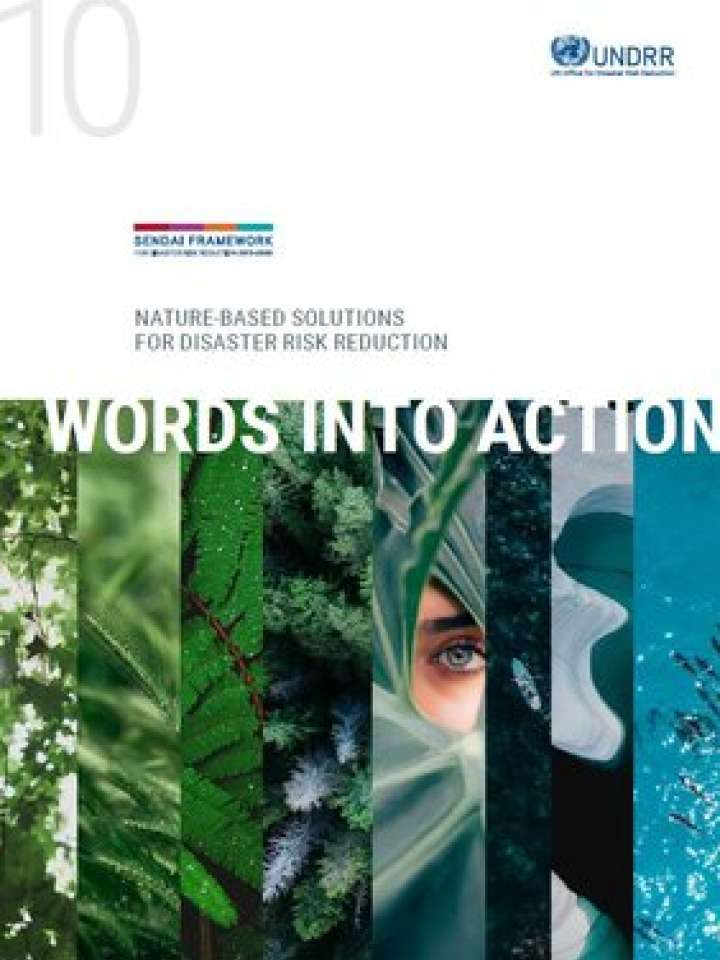
With this in mind, we developed this Words into Action: Nature-based Solutions for Disaster Risk Reduction guide. It offers practical, expert-informed guidance on setting up and implementing NbS, especially for disaster risk reduction (DRR), but also for climate change adaptation. Designed to help implement the Sendai Framework for Disaster Risk Reduction 2015-2030, this Words into Action guide will assist countries in advancing their national disaster risk reduction and climate strategies with ample evidence and practical examples of Nature-based Solutions that are already benefiting billions of people.
In 2020
50+ Million
people were affected by water and climate-related events while fighting COVID-19
Source: UNDRR
Protecting coastal wetlands could save the insurance industry
$52 Billion
a year through reduced losses from storm and flood damage
Source: WEF, 2020
Failure to act on ecosystem rehabilitation is costing
$20 Trillion
to global economy in lost ecosystem goods and services
Source: UNDP, 2020
What are Nature-based Solutions?
Nature-based Solutions are about working with nature to protect, restore and sustainably manage ecosystems. This animation shares examples of Nature-based Solutions for Sustainable Development, crossing environmental management, disaster risk reduction, climate change adaptation, and climate change mitigation.
Women and nature-based solutions
The critical role women play in nature-based disaster mitigation, response and recovery is often overlooked. While there has been some progress, much still needs to be done to ensure that the needs, perspectives, and ideas of women are included in disaster risk reduction efforts that are just, effective, and sustainable.
UNEP case study: Addressing landslides through ecosystems restoration in Colombia
An analysis of disaster risk in Colombia reveals that 31 percent of the population is at risk due to various types of landslides. There is a significant correlation between the quantity and dynamics of water resources and landslides. As such, working at the watershed is fundamental to disaster risk reduction.
UNEP Interview: Olga Nieto Moreno, Ministry of Environmental and Sustainable Development, Colombia
Olga Nieto Moreno, Head of Ecosystem Based Disaster Risk Reduction at Colombia’s Ministry of Environmental and Sustainable Development, discusses how the country is progressing on Nature-based Solutions and what the future holds.
Conversations
Mami Mizutori, (former) Head of UNDRR
Are nature-based solutions a silver bullet? Will they protect us from the worst impacts of climate change and biodiversity loss? Could they protect us from biological disasters such as the pandemic we are living through right now?
Our podcast guests include Nathalie Seddon, professor of biodiversity at Oxford University and Director of the Nature-Based Solutions Initiative and Dr. Krishna Vatsu, an esteemed member of the national disaster management of the government of India.
Case studies
Regenerating cities with nature: CLEVER Cities project
Led by the cities of Hamburg, London and Milan, the CLEVER Cities project is using nature-based solutions as a means to improve public health, social cohesion, and citizen security while increasing economic opportunities. Find out how the project works to establish new green spaces in these urban areas and works collaboratively on NbS in cities across Europe, South America and China.
Adaptation at Altitude: nature-based solutions in mountain areas
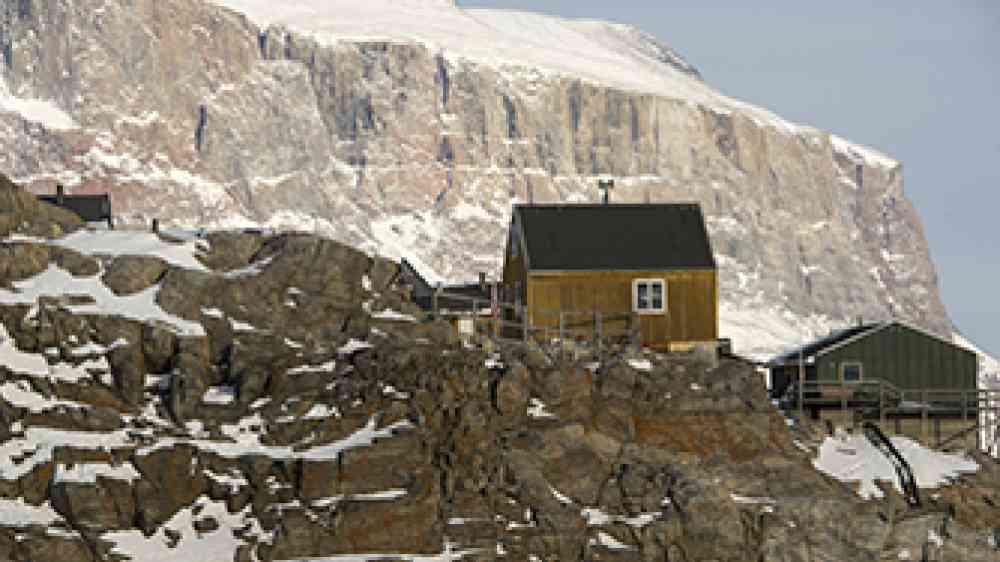
Adaptation at Altitude is a collaborative programme launched and co-supported by the Swiss Agency for Development and Cooperation that aims to boost the resilience and adaptation of mountain communities in the face of climate change. Rising temperatures, melting glaciers and changing precipitation patterns are disrupting water flows and affecting ecosystems, creating and worsening natural hazards and threatening livelihoods and communities. NbS offer high potential for addressing many of these challenges now and in the future.
Eco-DRR: Ridge-to-reef for ecosystem-based disaster risk reduction in Haiti
From 2013-2016, the United Nations Environment Programme (UNEP) and the European Commission (EC) implemented a pilot demonstration project on Ecosystem-based Disaster Risk Reduction (Eco-DRR) in Haiti. In partnership with the National Government, the Municipality of Port Salut, and other local partners, the project aimed to reduce disaster risks in the Municipality of Port Salut through a landscape or ridge-to-reef approach.
See more:
