UNDRR’s work on inclusion ensures that disaster risk reduction (DRR) is rooted in equality, human rights, and the lived realities of diverse groups. Disasters do not affect everyone equally. They amplify existing inequalities linked to gender, age, disability, income, and other factors. Recognising and addressing these intersecting risks and vulnerabilities are essential to build resilient, inclusive, and just societies in the face of rising climate and disaster challenges.
Through the Sendai Gender Action Plan (Sendai GAP), UNDRR supports governments and partners to integrate gender and disability inclusion across DRR policies, strategies, and systems. The GAP provides a practical, rights-based framework that embeds the principles of equality, non-discrimination, participation, and accountability into every phase of disaster risk management — from data collection and risk assessment to recovery and reconstruction.
The Sendai GAP calls on Member States to:
- Address intersectionality to ensure that risk policies reflect how multiple and overlapping factors, such as gender, disability, age, and socio-economic background, shape people’s vulnerabilities and exposure to and recovery from disasters.
- Align with human rights frameworks by operationalising key international standards, including the Convention on the Elimination of All Forms of Discriminiation against Women (CEDAW), particularly General Recommendation No. 37 and the Convention on the Rights of Persons with Disabilities (CRPD) to uphold equality, inclusion and participation in DRR.
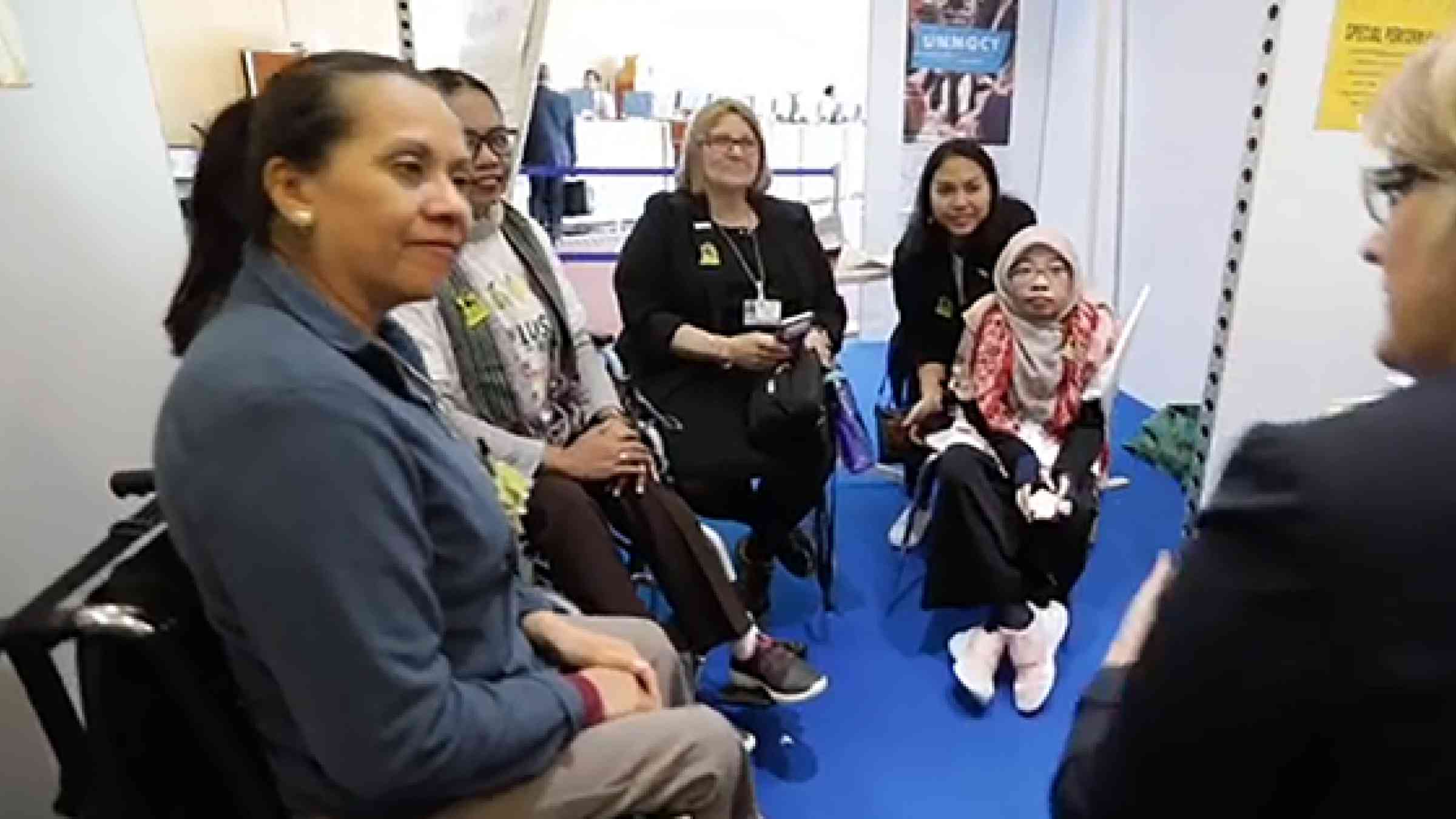
- Foster inclusive governance to promote engagement and leadership of women, organisations of persons with disabilities (OPDs), and other civil society actors in shaping and monitoring DRR policy and decision making.
Mainstreaming the Sendai GAP is not only about promoting gender equality, it is a pathway to embed disability inclusion and human rights, ensuring that no one is left behind in disaster risk reduction. UNDRR is embedding these principles across its Strategic Framework 2026–2030 and Work Programme 2026–2027, working with countries and partners to develop inclusive data systems, accountability mechanisms, and leadership opportunities that advance a more equitable and resilient world for all.
Themes



Of the 1.47 billion people who are exposed to flood risk, 89 percent live in low- and middle-income countries
World Bank, 2020
Vulnerability
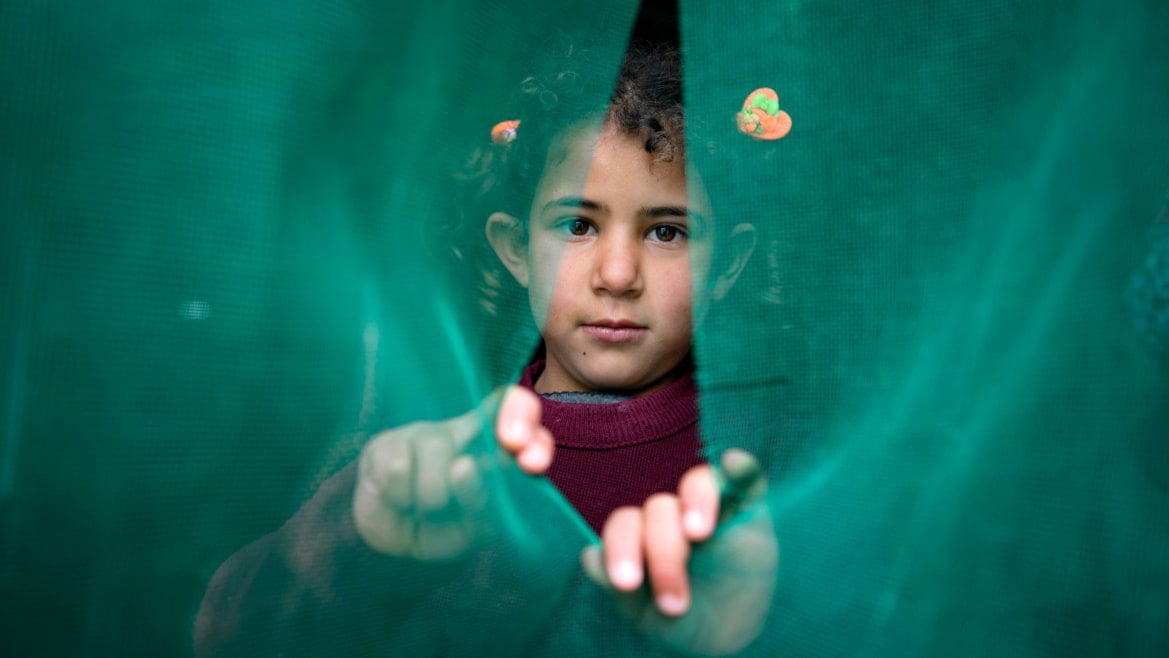
Vulnerability is the human dimension of disasters and is the result of the range of economic, social, cultural, institutional, political and psychological factors that shape people’s lives and the environment that they live in.
Disaggregated data
Sendai Framework Monitor (SFM) Sex, Age and Disability Disaggregated Data (SADDD)
To better understand how disasters impact different members of a community, the Sendai Framework calls for “the open exchange and dissemination of disaggregated data, including by sex, age and disability”. To date, many challenges hinder the collection of disaggregated data such as additional costs, time and resources, data privacy concerns, and outdated data infrastructure.