Children and youth

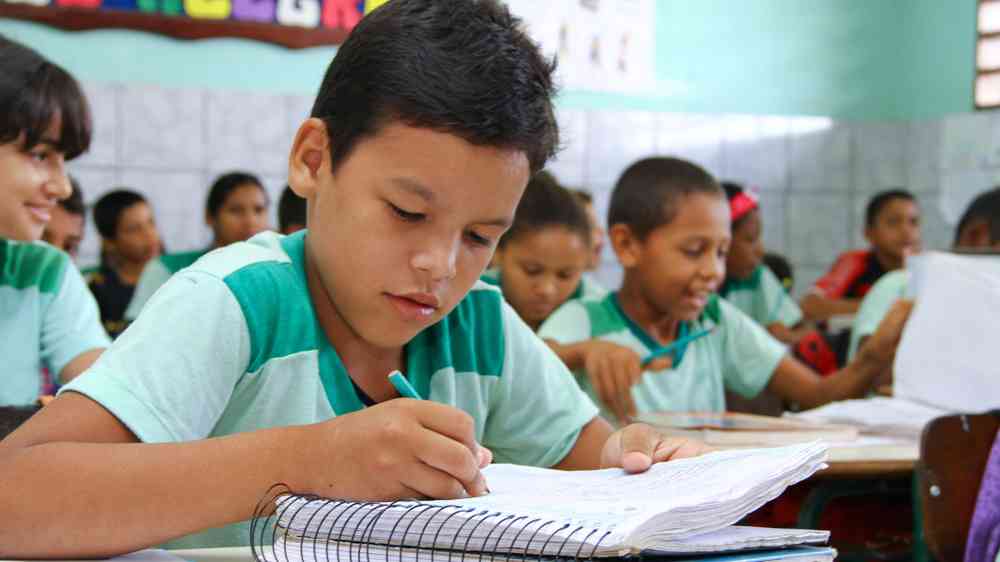
Around one billion children worldwide are at extremely high risk due to climate impacts, including climate-related disasters. Disasters threaten their safety, disrupt education and healthcare, and compromise their rights and opportunities.
Yet children are not just victims — they are powerful agents of change. Empowering them through knowledge, participation, and protection is key to building resilient communities. As disasters intensify, the urgency to act has never been greater.
Putting children at the centre of Resilience
The Sendai Framework for Disaster Risk Reduction 2015–2030 calls for “the full, equal, meaningful and inclusive participation” of youth in shaping a safer, more sustainable world.
UNDRR works with partners to ensure that national and local policies reflect the needs, rights, and ideas of children and young people, recognizing that resilience is everyone’s business.
Ensuring school safety is integral to achieving the Sendai Framework targets, particularly:
- Target C and Target D, which aim to reduce disaster damage and economic losses to critical infrastructure, including schools, and ensure continuity of educational services; and
- Target E, which calls for an increase in national and local DRR strategies that includes education.
Halfway through implementation, the Midterm Review (MTR) of the Sendai Framework revealed significant gaps. Many countries lack comprehensive data and risk assessments on how disasters impact schools, and resources to implement safety measures remain limited. These gaps underscore the urgent need for stronger investment, accountability, and collaboration to protect children’s right to learn safely.
UNDRR’s partnership approach
We achieve impact through and with our partners, from governments and UN agencies to civil society, academia, and the private sector, recognizing that collective action is the engine of progress. We support children and youth by collaborating with many partners including the Global Alliance for Disaster Risk Reduction and Resilience in the Education Sector (GADRRRES).
Our work on child-centred DRR advances all four catalytic areas of UNDRR’s Strategic Framework:
- Risk Knowledge: Collecting and analysing data on disaster risks to children and schools, addressing MTR-identified gaps.
- Locally Led DRR: Supporting cities, schools and youth networks to drive solutions.
- Financing for DRR: Promoting investment in disaster-resilient schools and education systems.
- Recovery Readiness: Strengthening education continuity and rapid recovery after disasters.
Call to action: Safe children, safe schools
To accelerate progress in the final years of the Sendai Framework, UNDRR calls on countries and partners to:
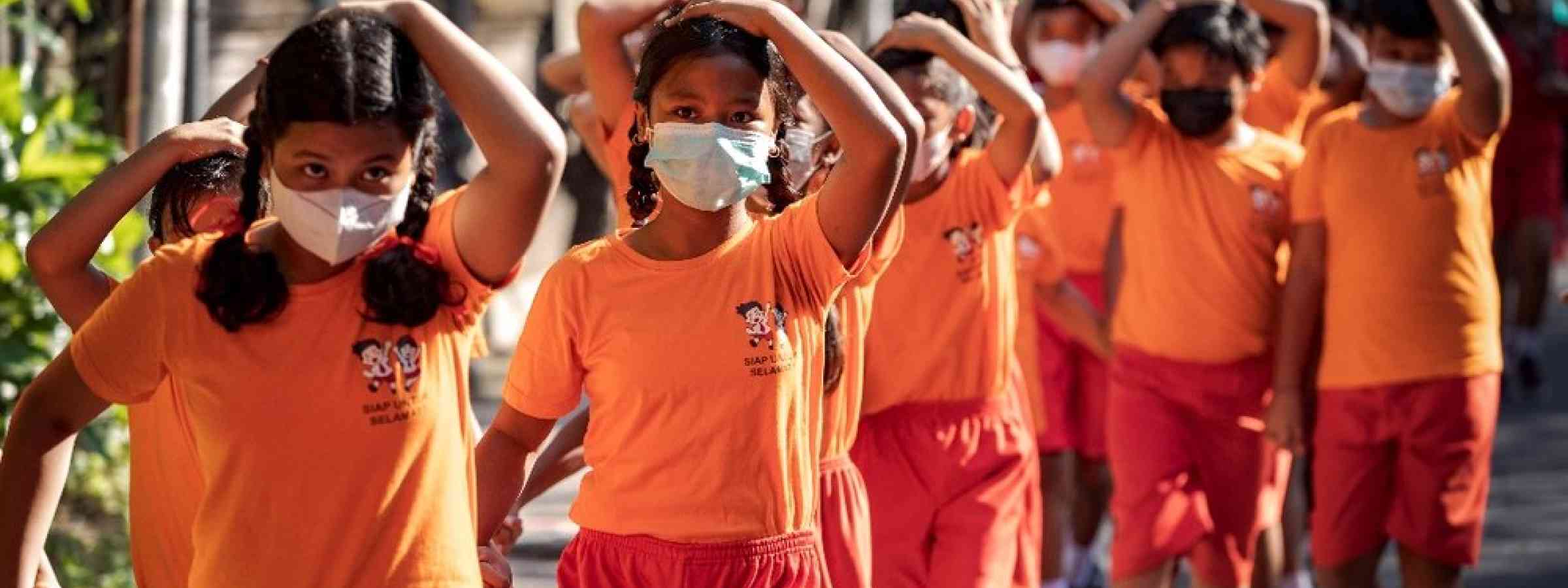
- Protect children through safe schools.
Ensure schools are resilient and integrated into early warning systems. - Empower youth through risk education.
Integrate DRR and climate education into curricula to prepare students to act on early warnings and support community preparedness. - Implement the Comprehensive School Safety Framework 2022–2030.
Adopt this global framework, developed by the GADRRRES, to safeguard education from all hazards.
Together, we can ensure that every child is protected and empowered in the face of growing disaster risk.