Our work
UNDRR is the lead UN entity for the coordination of disaster risk reduction. We help decision makers across the globe better understand and act on risk.
Looking for results? This page explains what we do and how we do it. For outcomes and evidence of change, visit Our impact.
Our mission: To lead, empower and accelerate global efforts in disaster risk reduction so that communities, governments, and businesses can safeguard people, assets, and progress in the face of rising shocks and uncertainty. We are committed to realizing the ambitions of the Sendai Framework and leaving no one behind.
At UNDRR, we envision a world where disasters no longer threaten the well-being of people and the future of the planet. Sustainable development and the 2030 Agenda cannot be achieved without building resilience.
Our priorities for 2026–2030 are defined in the UNDRR Strategic Framework. See also our Work Programme 2026–27 for current activities.
Catalytic areas of focus
The period 2026–2030 marks a critical window for accelerating implementation of the Sendai Framework. We focus our efforts on four interconnected catalytic areas that drive transformative change. These connect with our wider thematic work—from humanitarian action and disaster displacement to risk communication and engagement through campaigns like No Natural Disasters. Our climate work includes the Santiago Network on loss and damage, and we're actively engaged at COP30.
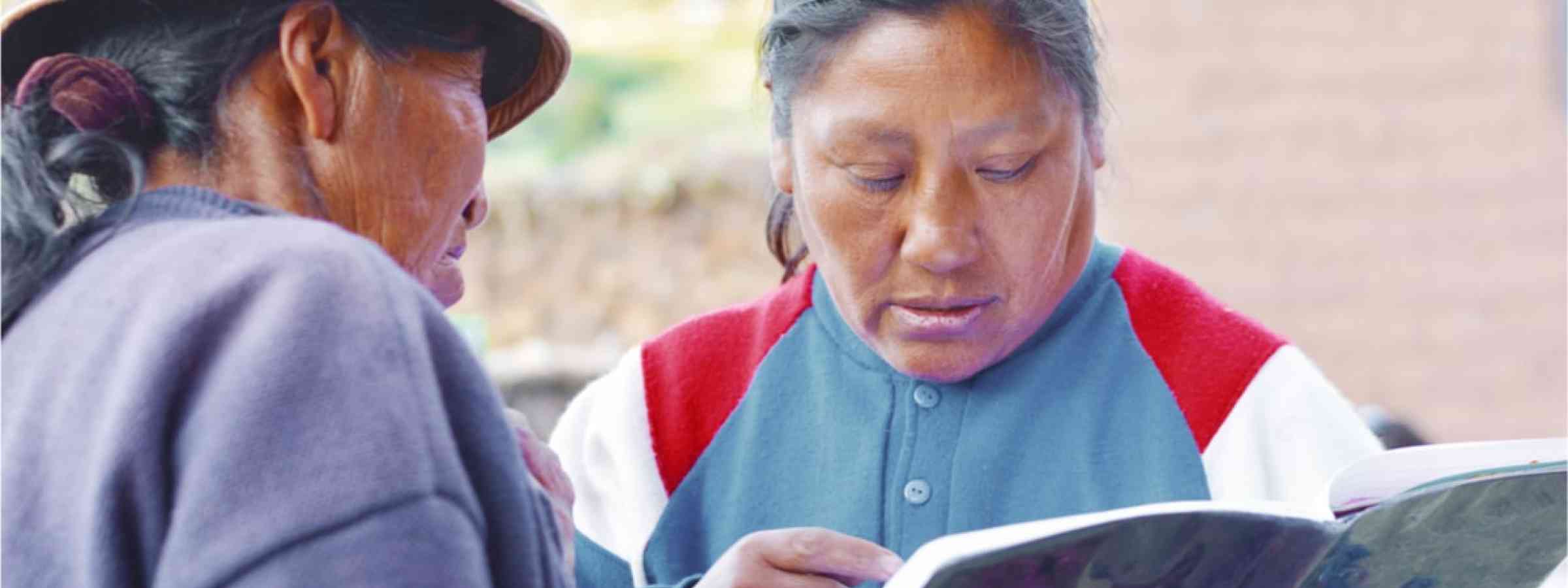
1. Risk Knowledge
The cornerstone of effective disaster risk reduction
Risk knowledge enables communities, governments and the private sector to make informed decisions that save lives, protect livelihoods and achieve sustainable development. We foster an open, interoperable risk information ecosystem that generates, shares and institutionalizes actionable insights by:
- Operating the Sendai Framework Monitor to track global progress on DRR targets
- Co-leading Early Warnings for All (EW4All) to ensure everyone is protected by life-saving early warning systems by 2027
- Developing and maintaining DELTA Resilience – our next-generation disaster tracking system with UNDP and WMO
- Publishing the Global Assessment Reports (GARs) and the Hazard Information Profiles providing authoritative analysis on disaster risk
- Providing the National Disaster Risk Assessment Guide – the essential resource for practitioners conducting national risk assessments
- Addressing extreme heat resilience through the new Extreme Heat Risk Governance Framework and Toolkit
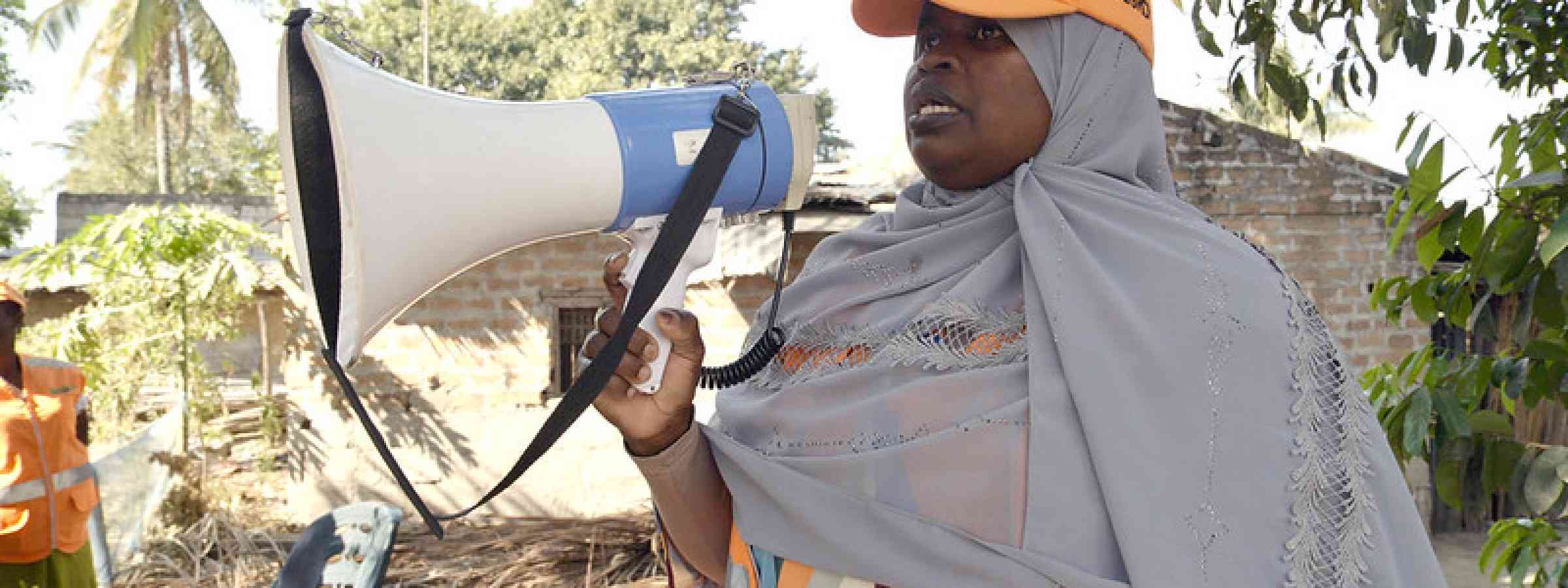
2. Locally-Led DRR
Empowering communities and local governments to drive resilience
Local actors hold knowledge, experience and understanding of the specific risks their communities face. We support systematic institutionalization and resourcing of local risk governance as a core pillar of resilience by:
- Leading Making Cities Resilient 2030 (MCR2030) with over 2,000 cities building local resilience
- Supporting community-based DRR through participatory risk assessments and planning
- Developing the Disaster Resilience Scorecard for Cities – used by 1,000+ cities worldwide, with specialized addendums for public health, extreme heat, and more
- Building capacity through the Comprehensive School Safety Framework (with GADRRRES)
- Supporting local actors to strengthen risk communication, helping ensure that risk information is accessible, actionable and trusted at all levels
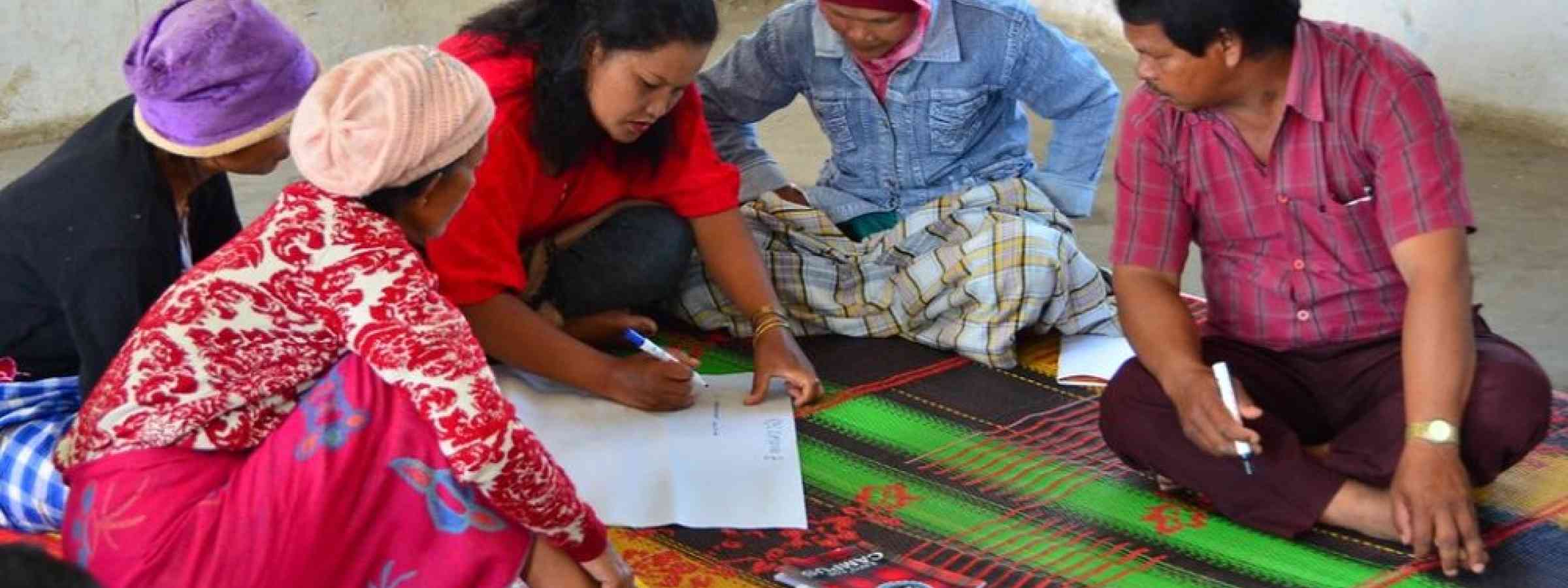
3. Financing for DRR
Driving a shift from reactive spending to risk-informed investment
Financing for DRR and risk-informed investment are crucial for enabling governments and the private sector to reduce existing risk and avoid the creation of new risk. We work to embed DRR at the core of public financial management and investment decision-making by:
- Convening the Investor Advisory Board bringing institutional investors to DRR, guided by the G20 Principles for Investing in DRR
- Developing the Principles for Resilient Infrastructure and implementation handbook guiding risk-informed investment
- Supporting countries to integrate DRR into budgets through our Budget Tagging Guide and INFFs guidance
- Providing technical support for developing national and local DRR financing strategies through the Five-step approach to disaster risk reduction financing
- Enabling risk-informed finance decisions through the Guide for Adaptation and Resilience Finance – identifying 100+ investable activities
- Engaging the private sector through ARISE – our network of 500+ companies committed to resilient business

4. Recovery Readiness
Making resilient recovery the global norm
Rebuilding stronger and more-adaptable infrastructure, societies and economies after a disaster is essential to reducing disaster and climate risk. We strengthen recovery readiness through pre-agreed governance, institutional and financing arrangements by:
- Partnering with the International Recovery Platform (IRP) to establish global recovery standards
- Developing and rolling out the Recovery Readiness Framework and Assessment Tool
- Defining the 10 Priority Actions to Enhance Readiness for Resilient Recovery – endorsed at the 2025 World Resilient Recovery Conference
- Providing technical guidance through Words into Action: Build Back Better
- Supporting after-action reviews to capture lessons and improve preparedness
Cross-cutting approaches
Our approaches are integrated to drive transformative change and ensure coherence with intergovernmental agreements.
Addressing Gaps in Risk Governance
Building on our recognized contribution to strengthened risk governance, we continue to address remaining gaps in disaster risk management legislation, regulations, strategies and national platforms. We advocate for greater participation and leadership of women and persons with disabilities in DRR decision-making at all levels.
Synergies with Climate Action
We align DRR with climate action across policies, plans and initiatives. Through comprehensive risk management, we strengthen collaboration between ministries of environment, climate, planning and finance, helping countries develop joint DRR and climate change roadmaps and improve access to climate finance.
Learn about Sendai Framework and Paris Agreement alignment →
Harnessing Technology and Innovation
We help stakeholders benefit from technological advances and innovation, including predictive analytics, geospatial tools and AI. We facilitate partnerships to close gaps in access and institutional readiness, promoting responsible and ethical use of data and emerging technologies.
Inclusive Disaster Risk Reduction
Disasters disproportionately affect the most vulnerable. We champion the meaningful participation and leadership of women, children and youth, older persons, persons with disabilities, Indigenous Peoples and marginalized communities in all aspects of DRR.
Where we're working right now
UNDRR works with partners around the world to reduce disaster risk and build resilient communities. This section provides a view of selected UNDRR activities, engagements, partnerships and technical assistance over the past year. For outcomes and results, visit Our impact.
Global Impact UNDRR content across the world
No content found
The boundaries and names shown and the designations used on this map do not imply official endorsement or acceptance by the United Nations.
Dotted line represents approximately the Line of Control in Jammu and Kashmir agreed upon by India and Pakistan. The final status of Jammu and Kashmir has not yet been agreed upon by the parties.
Final boundary between the Republic of Sudan and the Republic of South Sudan has not yet been determined.
A dispute exists between the Governments of Argentina and the United Kingdom of Great Britain and Northern Ireland concerning sovereignty over the Falkland Islands (Malvinas).
How we work
We deliver impact through six core lines of work:
Coordination with the United Nations system
We coordinate United Nations system-wide implementation of the Sendai Framework, including the United Nations Plan of Action on Disaster Risk Reduction for Resilience. We work with UN agencies to provide integrated support for risk-informed development, humanitarian action, and peacebuilding across sectors and systems.
Intergovernmental processes
We provide strategic support to intergovernmental processes by facilitating policy dialogue and delivering technical input on disaster risk reduction. Drawing on evidence and global experience, we help ensure that DRR is coherently integrated across the sustainable development, climate and humanitarian agendas.
Convening
We bring together diverse stakeholders – governments, United Nations entities, and other organizations, international finance institutions, community leaders and experts – to advance DRR efforts, leveraging synergies and fostering greater coherence and ambition.
Capacity development
We deliver tailored training courses, webinars, and workshops – including through the Global Education and Training Institute – to strengthen the skills of national and local officials and other stakeholders. We also promote peer-to-peer learning and share good practice across the DRR community.
Guidance and technical assistance
We provide practical tools, guidelines, and technical support to strengthen DRR knowledge and know-how, ensuring decision makers can translate commitments into action.
Advocacy, communications, and knowledge management
We use evidence-based advocacy and communications – supported by digital innovation and targeted risk communication – to raise awareness and drive change in policy, planning, and behaviour. Through media engagement and public outreach, we amplify UNDRR’s visibility and promote the application of DRR across all sectors.
Leading global efforts to reduce disaster risk
We help communities, governments and businesses safeguard people, assets and progress in the face of growing shocks and uncertainty.
The Sendai Framework
The Sendai Framework for Disaster Risk Reduction 2015-2030 is the global roadmap for reducing disaster losses. UNDRR is the custodian of the Sendai Framework and supports its implementation, monitoring and review.
Four Priorities for Action
1. Understanding disaster risk
2. Strengthening disaster risk governance
3. Investing in DRR for resilience
4. Enhancing preparedness & "Build Back Better"
The Seven Global Targets
| Target | Description | 2025 | 2030 (Projected) |
|---|---|---|---|
| A | Substantially reduce global disaster mortality | On track | On track |
| B | Substantially reduce the number of affected people | Not on track | Some progress |
| C | Reduce direct disaster economic loss relative to GDP | Not on track | Not on track |
| D | Substantially reduce disaster damage to critical infrastructure | Not on track | Not on track |
| E | Substantially increase countries with DRR strategies | On track | On track |
| F | Substantially enhance international cooperation | Some progress | On track |
| G | Substantially increase access to early warning systems | On track | On track |
See our impact
From reducing disaster mortality to strengthening governance frameworks, our work delivers measurable results.
Disaster mortality halved
Average disaster-related mortality per 100,000 fell from 1.61 (2005-2014) to 0.79 (2014-2023)
130+ countries
Now have national DRR strategies – more than doubled since 2015
600+ cities
Implementing disaster risk reduction strategies through MCR2030
60%+ of countries
Report having multi-hazard early warning systems
Engage with UNDRR
We deliver results through convening, capacity development, guidance and advocacy. Partnerships lie at the heart of effective disaster risk reduction.