Local resilience
By 2030, 60% of the world’s population will live in urban areas, generating more than 80% of global GDP. Cities are the engines of opportunity but also the epicentres of risk: climate-fueled disasters, health emergencies, rapid urbanization, ecosystem decline, and inequality are compounding into systemic urban crises. The Midterm Review of the Sendai Framework revealed that risk creation is outpacing risk reduction—nowhere more visible than in our cities.
Resilient urban development is not optional: it is essential to safeguard lives, livelihoods, and infrastructure. The New Urban Agenda provides a clear framework, calling for four drivers of change—policy and legislation, urban and land use planning and design, governance, and financing mechanisms. Urban resilience is also central to the Secretary-General’s UN80 Initiative and the global call to ensure Early Warnings for All by 2027.
The call to action is clear:
- Operationalize risk-informed policies and tools at the local level.
- Amplify peer-to-peer learning and scale innovative, inclusive solutions.
- Harness frontier technologies like AI, GIS, and big data to anticipate and reduce risks.
- Mobilize coalitions across sectors, borders, and communities
- Above all, ensure resilience is inclusive, co-created with women, youth, indigenous peoples, persons with disabilities, and those most at risk.
UNDRR’s Strategic Framework identifies locally led disaster risk reduction as a catalytic area, recognizing that resilience is built where risks are most directly experienced. Cities, municipalities, and communities are on the frontline of disasters, and their leadership is central to creating equitable, inclusive, and sustainable urban futures. By investing in sub-national capacity, governance, and innovation, UNDRR ensures that resilience is not only nationally mandated but also locally owned and driven, leaving no community behind.
You might find these useful

What we do
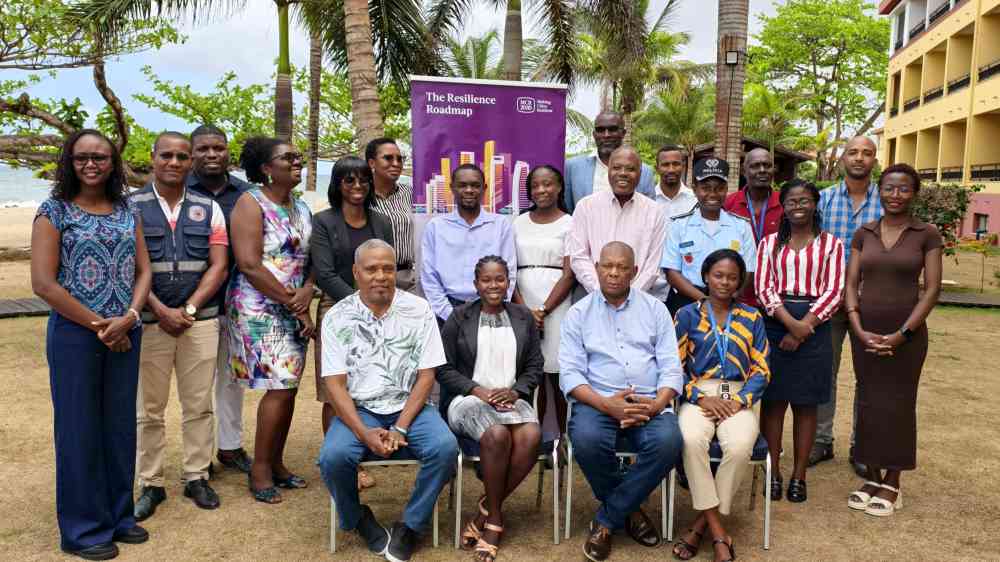
Strengthening local resilience through MCR2030
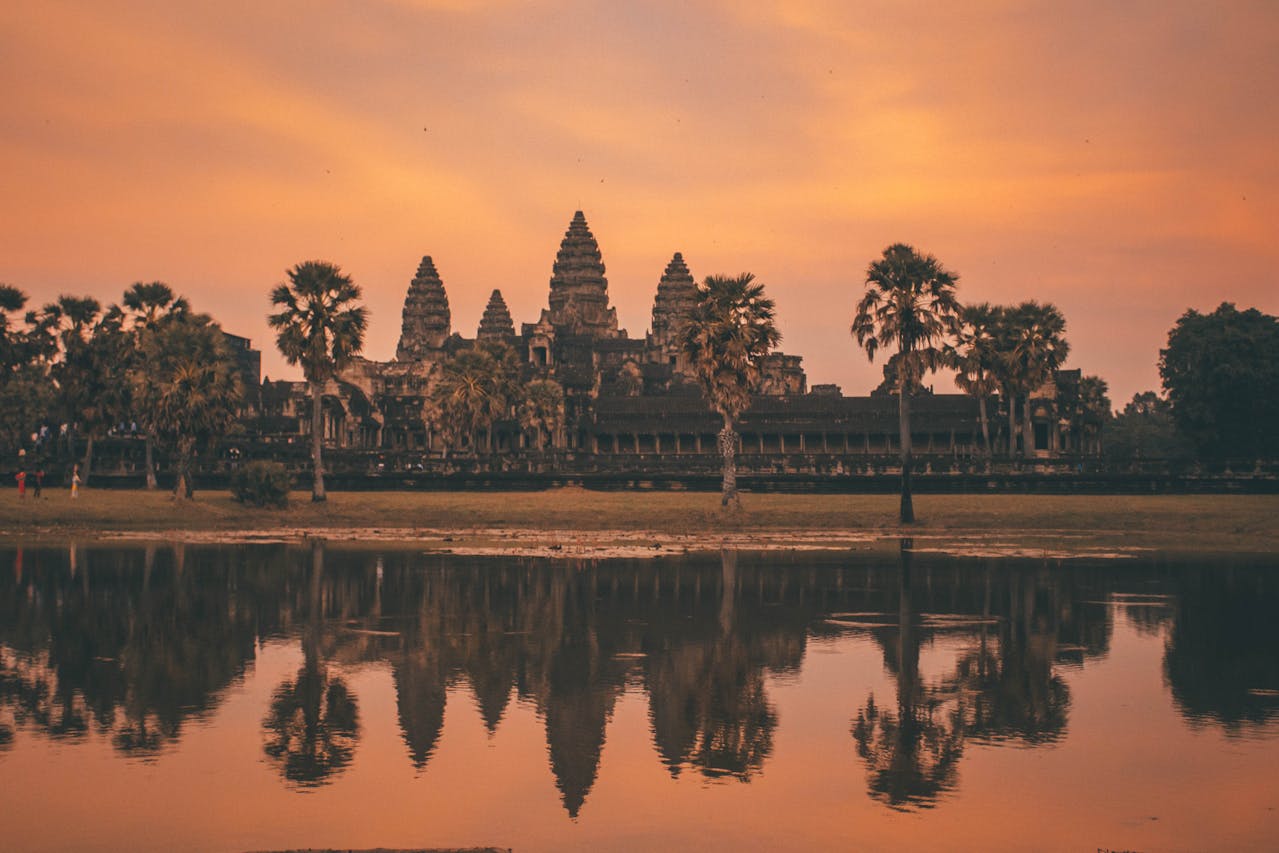
Through Making Cities Resilient 2030 (MCR2030), UNDRR, and its partners, empower local authorities to take a long-term approach to disaster risk reduction, climate resilience, and sustainable development. The MCR2030 three-stage Resilience Roadmap guides cities and municipalities from awareness raising to advanced strategic planning, and a whole-of-society approach to implementation. MCR2030 encourages cities to become Resilience Hubs, fostering peer-to-peer support and sharing good practices with other municipalities.
As a key instrument for strengthening national urban resilience programme, MCR2030 has mobilized national and local governments alongside a broad coalition of international partners committed to urban resilience. To date, over 1,900 cities across 97 countries and territories are part of the network, supported by over 550 service providers.
Providing tools and resources supporting local resilience
UNDRR and the MCR2030 partners have a growing portfolio of accessible tools to support sub-national governments to scale up their ambition and action from understanding their climate and disaster risks to implementing solutions.
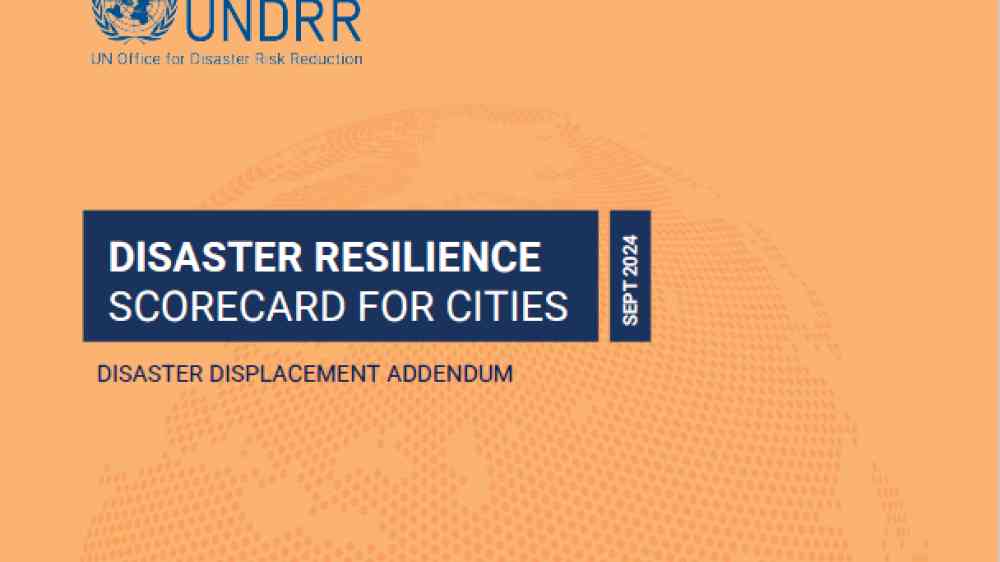
The Ten Essentials for Making Cities Resilient, the Climate Quick Risk Estimation Tool, and the Disaster Resilience Scorecard for Cities and its annexes help cities broaden resilience perspectives, engage multi-departmental and stakeholder in resilience, and integrate inclusion—capturing the needs of persons with disabilities, women, and marginalized groups—into resilience planning.

Building capacities of local authorities and their stakeholders
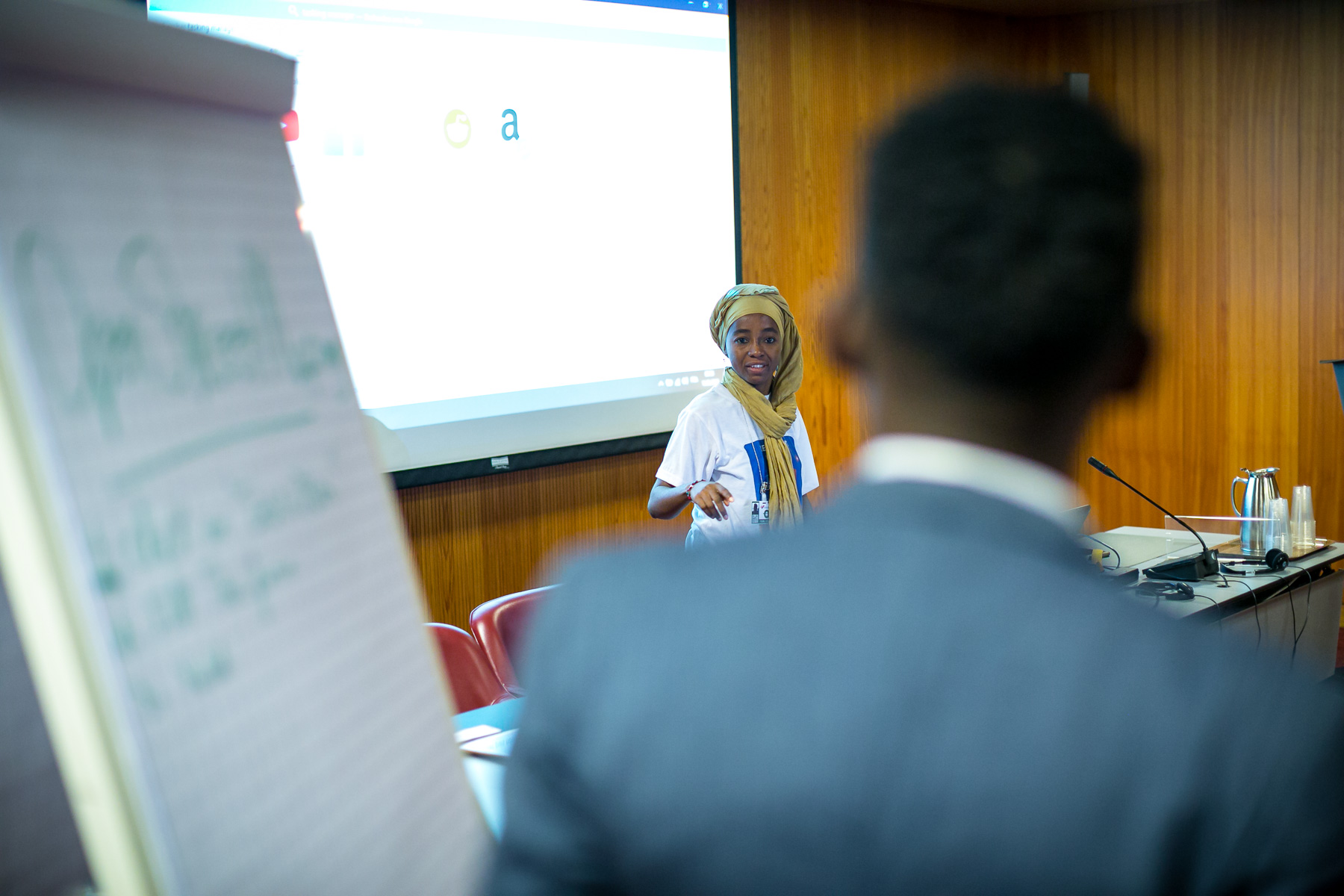
UNDRR delivers trainings and capacity building programmes to strengthen sub-national DRR and climate resilience planning and implementation. Through its Global Education and Training Institute (GETI), UNDRR provides online and in-person training courses for local authorities and their stakeholders, helping them integrate DRR and climate adaptation into urban planning and governance.
Aligned with the Sendai Framework, Paris Agreement, New Urban Agenda, and Sustainable Development Goals, these trainings cover a wide range of topics, including DRR strategies, climate change adaptation, early warning systems, gender and persons with disabilities inclusion in DRR, extreme heat resilience, project preparation, and financing. UNDRR works closely with partners to ensure comprehensive coverage of knowledge and skills, fostering synergies and complementarity across diverse expertise to meet local resilience needs
Peer learning and South-South cooperation
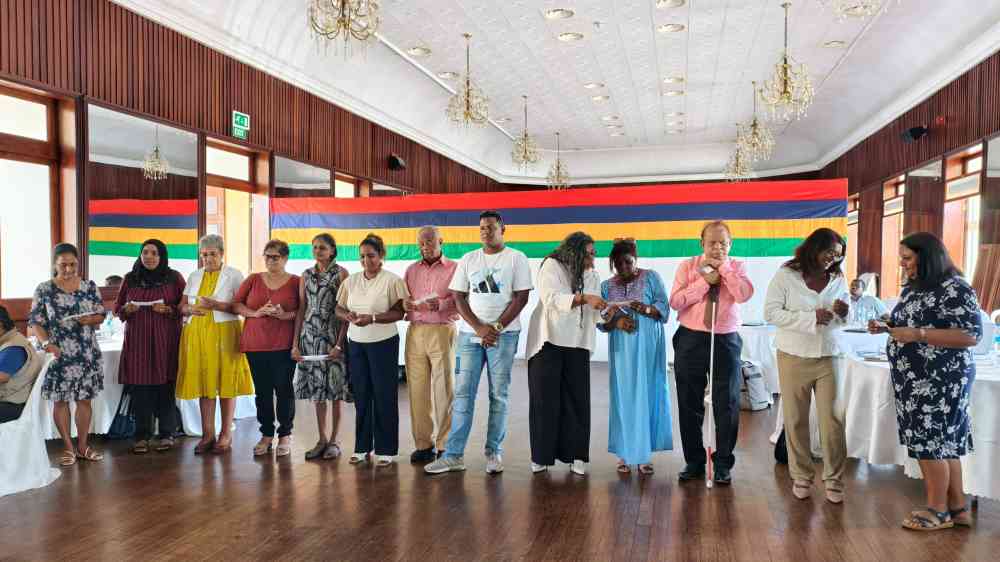
Peer learning and South-South and triangular cooperation are central to UNDRR’s approach, amplifying the voice of local governments in global resilience efforts. Through initiatives like MCR2030, capacity building programmes, and thematic exchanges, UNDRR empowers local authorities to share experiences and learn from each other. Forexamplethe multi-year urban resilience training programme with UNOSSC and PAHO/WHO has reached 17,500 practitioners from 1,100 cities worldwide. Nearly half of participants are under 35, 44% are women, and 3% are persons with disabilities. The impact is clear: 93% report gaining actionable tools and 91% say they can address gaps in their DRR strategies.
Beyond this, UNDRR invests in training local officials as trainers, creating a multiplier effect that spreads good practices and lessons learned across countries and regions, accelerating resilience through shared knowledge and concrete local actions.