
Regional Office for Arab States
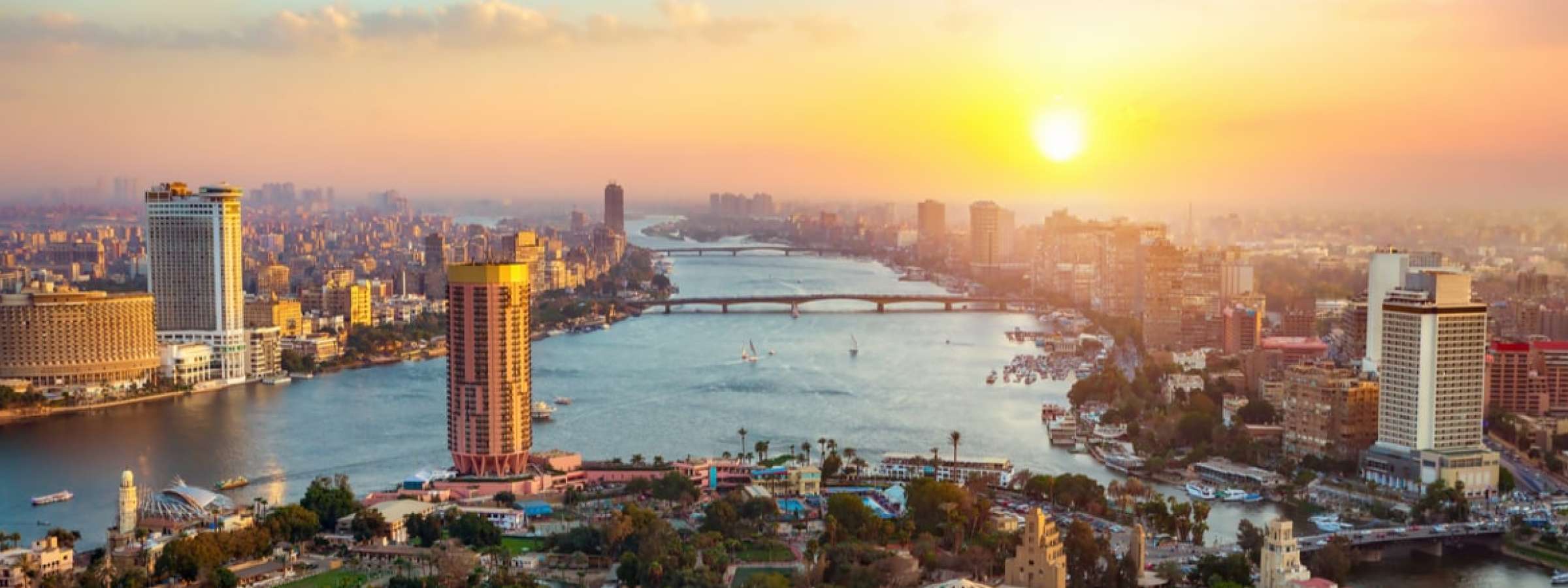
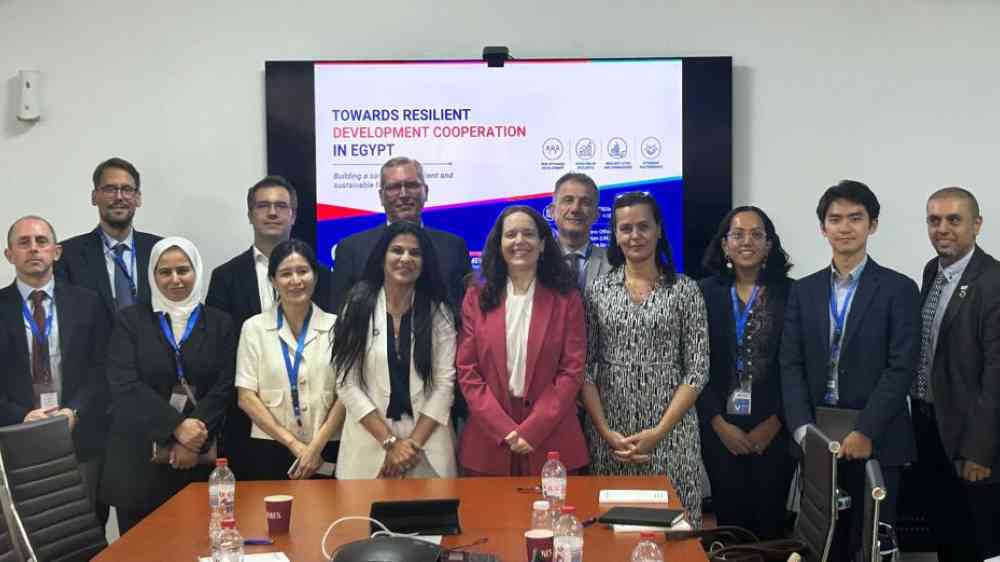
Covering 22 Arab countries, the UNDRR Regional Office for Arab States (ROAS) was established in 2007 and based in Cairo, Egypt. It supports governments and partners to protect people from disasters, build resilience and advance risk-informed sustainable development, in line with the Sendai Framework and the Arab Strategy for DRR 2030.
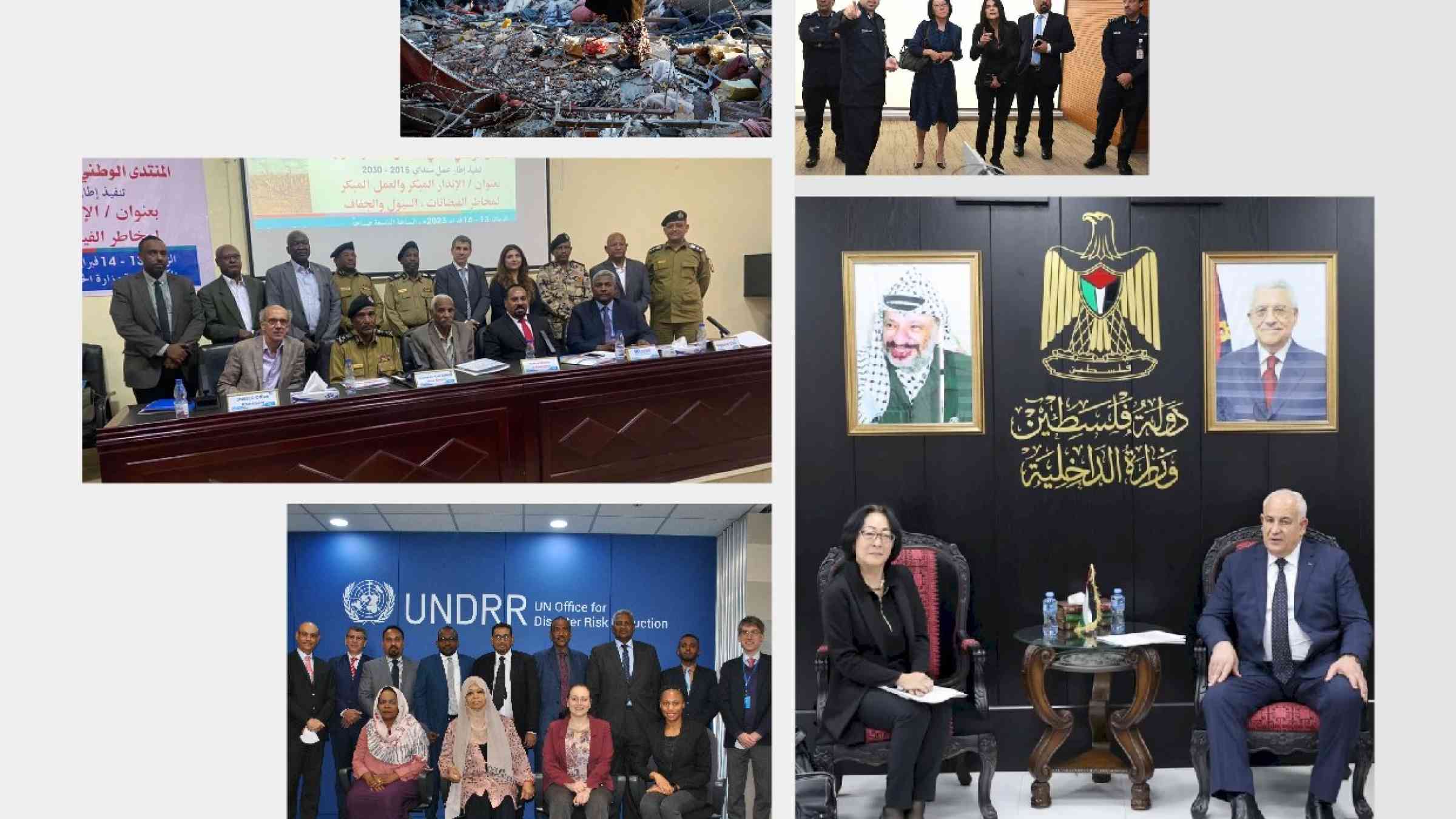
ROAS provides technical assistance to develop and refine risk-informed policies, plans and institutional arrangements, and to monitor and report progress through the Sendai Framework Monitor (SFM) and strengthen disaster loss and damage data systems. The office promotes the use of risk information, climate data and scenarios to inform national and local planning, strengthen multi-hazard early warning systems, and guide prevention, preparedness and resilient recovery.
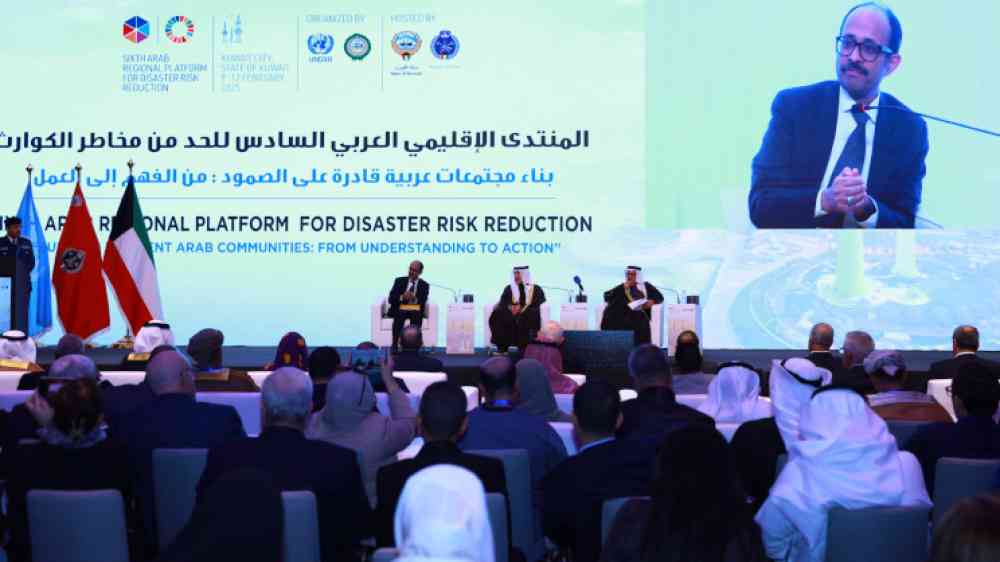
ROAS also advances DRR financing, working with DRR institutions and ministries of finance and planning to strengthen risk-informed public finance, including approaches such as budget tagging and tracking, identification of financing gaps, and country-led pathways to invest more effectively in prevention and resilience. At the regional level, ROAS convenes and supports coordination and accountability through the Arab Regional Platform for DRR and strengthens local action through Making Cities Resilient 2030 (MCR2030).
In partnership with the League of Arab States and its technical organizations, and through collaboration with United Nations Country Teams, regional and international organizations and stakeholder groups, ROAS builds innovative partnerships with civil society, science and technical networks, the private sector and media. Across all areas of work, ROAS promotes inclusive, people-centered risk governance, integrating gender equality and diversity and strengthening youth engagement in policy dialogue and decision-making.
Highlights

Latest publications
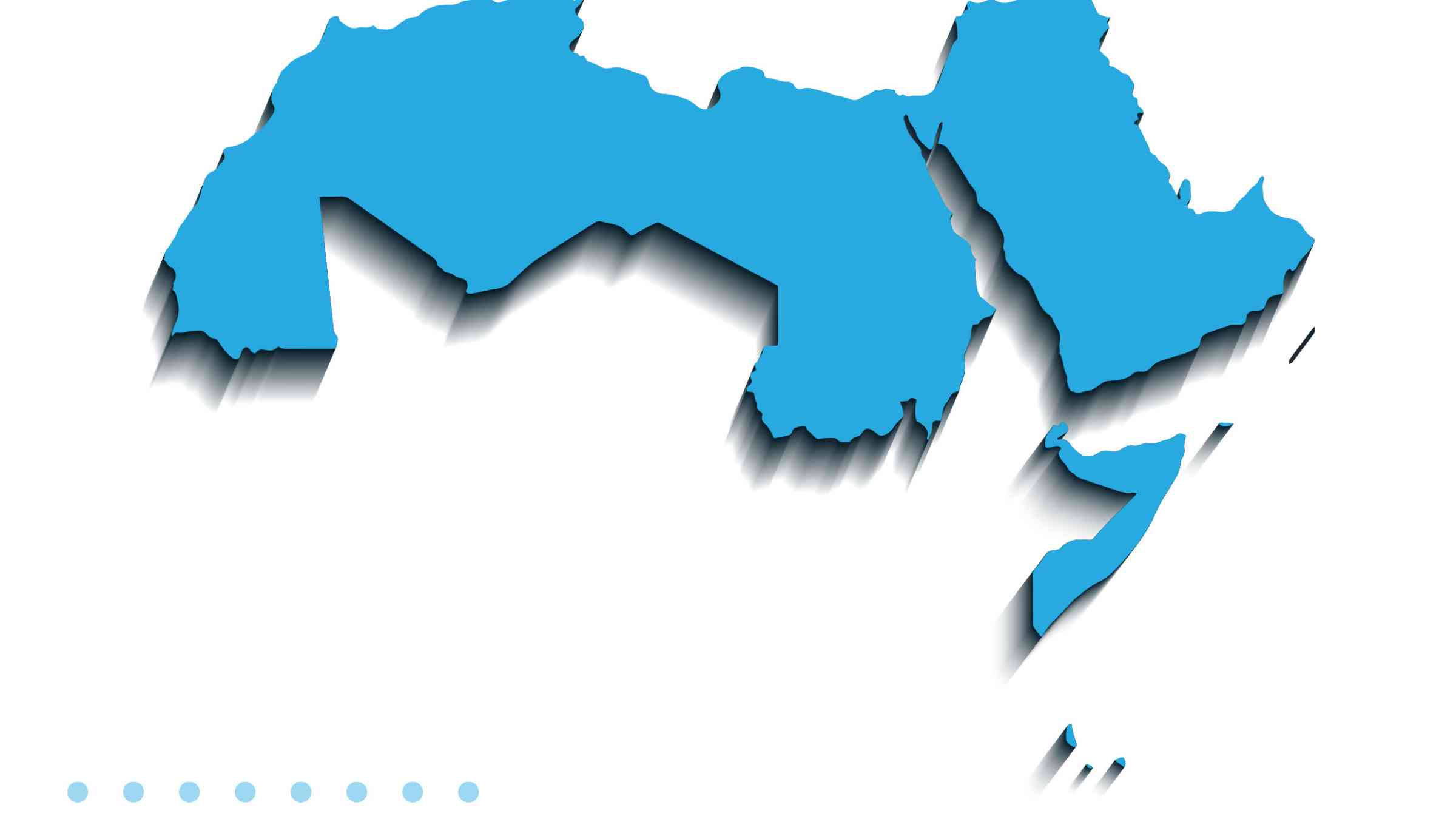
Countries
| Country | Sendai Focal Point | National Platform | Country on PreventionWeb |
|---|---|---|---|
 Algeria Algeria |
Ministry of Interior, Local Collectivities and Land Management | National Platform | Country resources |
 Bahrain Bahrain |
National Committee for Disaster Management, Ministry of Interior | National Platform | Country resources |
 Comoros Comoros |
Volcanological Observatory of Karthala | National Platform | Country resources |
 Djibouti Djibouti |
Ministry of Interior and Decentralization | National Platform | Country resources |
 Egypt Egypt |
Crisis and Disaster Management Directorate, Cabinet | National Platform | Country resources |
 Iraq Iraq |
Ministry of Health and Environment | Country resources | |
 Jordan Jordan |
National Centre for Security and Crises Management | National Platform | Country resources |
 Kuwait Kuwait |
Kuwait Fire Service Directorate | Country resources | |
 Lebanon Lebanon |
Presidency of the Council of Ministers | National Platform | Country resources |
 Libya Libya |
National Center for Emergency Crises and Disaster Management | Country resources | |
 Mauritania Mauritania |
Ministry of Environment and Sustainable Development | National Platform | Country resources |
 Morocco Morocco |
Ministry of Interior | National Platform | Country resources |
 Oman Oman |
Environment Authority | National Platform | Country resources |
 Palestine, State of Palestine, State of |
Arab and International Cooperation Unit, Ministry of Interior | National Platform | Country resources |
 Qatar Qatar |
Ministry of Interior; The Permanent Committee of Emergency, Ministry of Interior | National Platform | Country resources |
 Saudi Arabia Saudi Arabia |
Special Civil Defense Emergency Forces | National Platform | Country resources |
 Somalia Somalia |
Department for Disaster Risk Management, Somalia Disaster Management Agency | National Platform | Country resources |
 Sudan Sudan |
National Council of Civil Defense | National Platform | Country resources |
 Syrian Arab Republic Syrian Arab Republic |
Ministry of Emergency and Disaster Management | National Platform | Country resources |
 Tunisia Tunisia |
Ministry of Environment and Quality of Life | National Platform | Country resources |
 United Arab Emirates United Arab Emirates |
National Emergency and Crisis Management Authority | National Platform | Country resources |
 Yemen Yemen |
Ministry of Water and Environment | Country resources |
News and events
United Nations Office for Disaster Risk Reduction - Regional Office for Arab States

Events
Previous events
Publications
Activities
Arab Partnership Meeting for Disaster Risk Reduction (DRR)
Following the Sendai Framework guidance, the UNDRR Regional Office for Arab States (ROAS) has been organizing coordination meetings to accelerate the implementation of the Sendai Framework in the region. The most recent declaration, the Rabat Declaration for Disaster Risk Reduction in 2021, which was adopted along with several stakeholder groups’ voluntary action statements during the Arab Regional Platform on Disaster Risk Reduction in 2021, came out as the result of a series of successful coordination meetings ahead of the Regional Platform. Since 2017, the bi-annual Arab Partnership for DRR meetings create a forum for technical and operational deliberation on the progress, challenges, gaps, and solutions in the implementation of the Sendai Framework in the region. These periodic discussions intend to inform the deliberations of the Arab Regional Platform conferences.
The last partnership meeting, held in Bali, Indonesia in May 2022, on the sidelines of the Seventh Session of the Global Platform (GP2022), provided a unique and timely opportunity to showcase the importance of international solidarity and cooperation, address the Midterm Review (MTR) of the Sendai Framework stock take, identify emerging issues, uncover context shifts, and build coherence with other frameworks, to better address the systemic nature of risk. The meeting explored how to strengthen disaster risk governance and how to build stronger systems for managing all types of risks.
Making Cities Resilient Campaign
The "Making Cities Resilient" campaign aims to improve local resilience through advocacy, sharing knowledge and experiences, establishing mutually reinforcing city-to-city learning networks, injecting technical expertise, connecting multiple layers of government, and building partnerships.
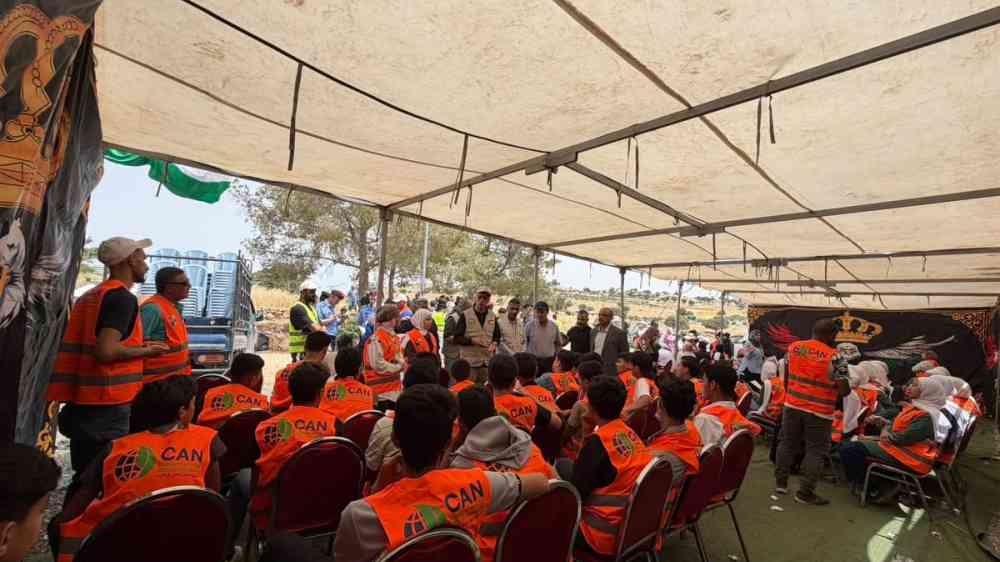
The UNDRR’s ROAS works closely with local and national governments, international, regional, and civil society organizations, donors, the private sector, academia, and professional associations as well as every citizen encouraging them to join the journey of reducing disaster risk and building resilience, to achieve the ultimate goal of MCR2030 that is to ensure cities become inclusive, safe, resilient, and sustainable by 2030.
The Regional Assessment Report on DRR in the Arab Region (RAR-Arab States)
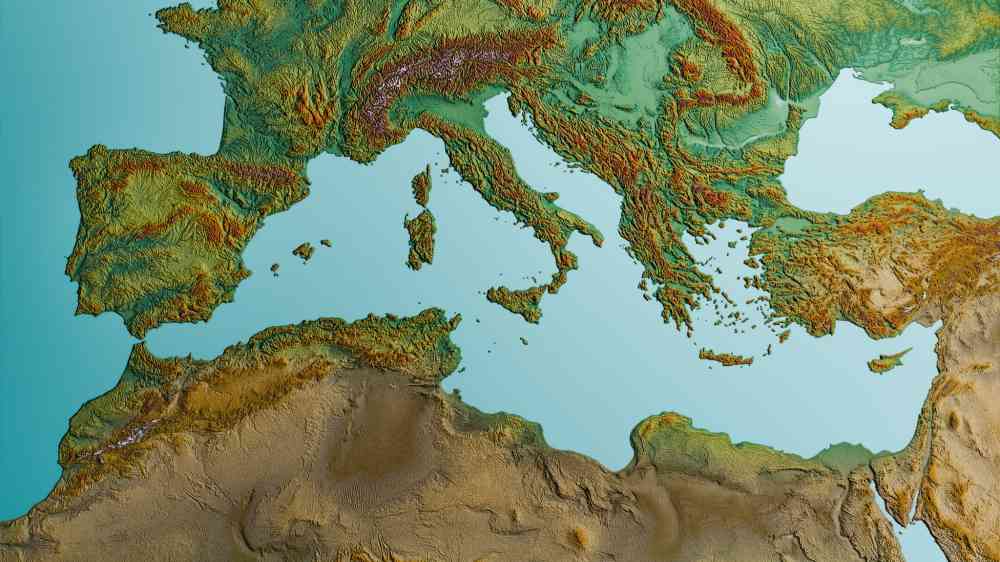
The Regional Assessment Report offers an update on progress made in implementing the Sendai Framework’s goals, targets, and priorities while identifying entry points for improving coherence with climate change adaptation, poverty reduction, and sustainable development. It also provides an analysis of region-specific systemic risk drivers, including a contextualized discussion on vulnerability, rapid urbanization, conflict, and food security.
The Arab region is fast approaching the point where it may not be able to mitigate impacts from realized cascading and systemic risk, including the COVID-19 pandemic, superimposed on climate change, conflict, water scarcity, non-sustainable production and consumption patterns, and social vulnerability.
The RAR-Arab States highlights the risk scenario, drivers, and trends and how to adopt approaches based on broad participation and partnerships and to address underlying drivers of risk, such as declining ecosystems, vulnerable rural livelihoods, and badly planned and managed urban development. The RAR-Arab States also highlights the importance of investing in disaster risk reduction and the need to take risk-informed decisions for sustainable development. It helps the national governments, civil society, and other stakeholders through providing strategic policy advices on how to address these challenges.
Sendai Framework Monitoring and DesInventar Sendai
The Sendai Framework Monitor (SFM) functions as a management tool to help countries develop disaster risk reduction strategies, make risk-informed policy decisions, and contribute to Target E of the Sendai Framework related to the development of actionable national and local disaster risk reduction strategies by 2020. A set of 38 indicators, recommended by an Open-ended Intergovernmental Expert Working Group (OIEWG), tracks progress in implementing the seven targets of Sendai Framework as well as its related dimensions reflected in the Sustainable Development Goals 1, 11, and 13.
DesInventar Sendai implements all the Indicators and data required for the Monitoring of Targets A to D of the Sendai Framework for Disaster Risk Reduction, which correspond to parallel Sustainable Development Goals (SDG's) indicators from Goals 1, 11, and 13. Among many other new features, it also allows for the definition and use of Sendai Framework metadata to describe several indicators and allow finer disaggregation of data.
International Day for Disaster Risk Reduction (IDDRR)
UNDRR ROAS celebrates the IDDRR every year by organizing special panels and events on the regional level, bringing together disaster risk reduction stakeholders to discuss and explore collaborations, challenges, and steps forward towards the implementation of the Sendai Framework, the Arab Strategy for DRR 2030, and the development of national and local DRR strategies.
World Tsunami Day
The UNDRR ROAS commemorates World Tsunami Day by launching social media campaigns to raise awareness of the importance of having plans and policies in place to reduce tsunami impacts and scaling up international cooperation with developing countries, which lead to building more resilience and protecting populations at risk.
Cities becoming more resilient in Arab States
These statistics show live data about municipalities in this region that have joined the Making Cities Resilient 2030 initiative. The villages, towns, and cities have made a commitment to move along the resilience roadmap to better protect their citizens.
Contact us
UNDRR Regional Office for Arab States
14 Road 280, Off Laselky Street, Corner of Mashreq Bank
New Maadi, Cairo, Egypt
Email: [email protected]
Phone: +2 (02) 25229166
Fax: +2 (02) 25164918