
Arab civil society contributes to shaping implementation of the Pact for the Mediterranean
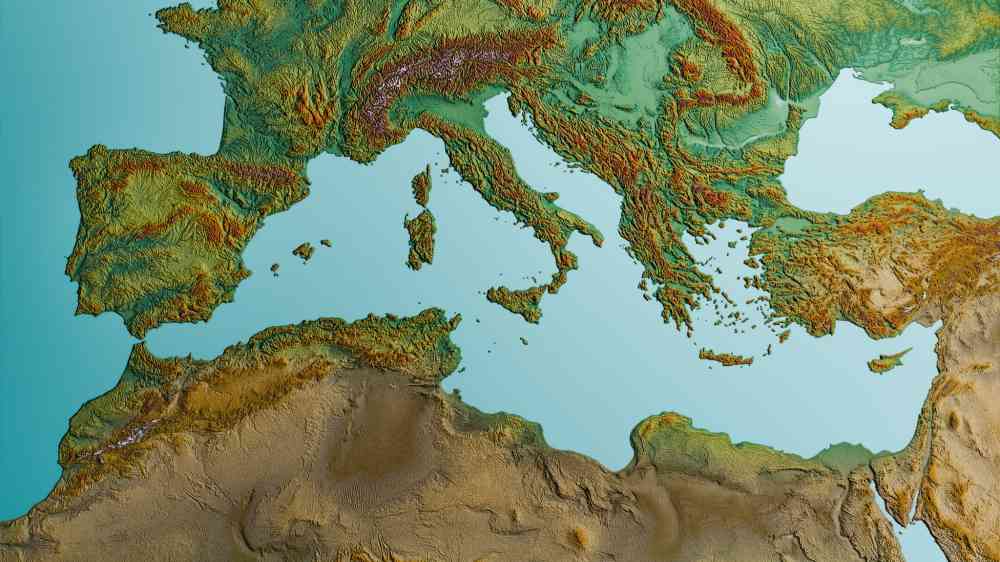
Representatives of civil society organizations from across the Mediterranean convened in Brussels to contribute to the implementation of the Pact for the Mediterranean, providing recommendations to help ensure that its first Action Plan is informed by local knowledge, inclusive participation, and community priorities.
Convened by the European Commission, the consultation brought together representatives from research institutions, think tanks, youth organizations, women's organizations, community-based initiatives, regional networks, and civil society organizations to discuss how the Pact's Action Plan can better respond to the needs of Mediterranean communities. Discussions focused on three flagship initiatives: Mediterranean Disaster Preparedness, MED-SECURE, and StartUp4Med, with the aim of strengthening community preparedness, safe and inclusive engagement, and sustainable economic opportunities.
The Children and Youth Stakeholder Group for Disaster Risk Reduction, represented by Lama Al Hattab, Chief Executive Officer of Generation for Peace, and the Arab Civil Society Major Group for Disaster Risk Reduction, represented by Emad Adly, Chair of the Arab Network for Environment and Development (RAED), contributed to discussions on strengthening community preparedness and disaster risk awareness under the Mediterranean Disaster Preparedness initiative.
Placing communities at the center of resilience
The consultation examined how the Mediterranean Disaster Preparedness initiative can draw on civil society knowledge to strengthen community awareness, preparedness, trusted communication, and the inclusion of vulnerable groups in disaster risk reduction. Participants exchanged experiences on local preparedness, identified existing gaps, and discussed practical ways for civil society to contribute to awareness campaigns, preparedness planning, communication strategies, and future implementation of the Pact's Action Plan.
"Across the Mediterranean, disasters remind us that hazards may be natural, but vulnerability is shaped by inequality. Risk-informed decision-making must therefore begin with understanding who is most at risk, why, and how we can reduce those underlying vulnerabilities before disasters occur,” said Rania Hammad, External Relations Officer at the United Nations Office for Disaster Risk Reduction (UNDRR) Regional Office for Arab States.
The dialogue emphasized that disaster preparedness is most effective when communities are actively engaged in designing solutions, ensuring that risk communication, preparedness measures, and resilience investments reflect local realities and reach those most at risk.
Strengthening the Pact through civil society
The Pact for the Mediterranean is founded on the principles of co-ownership, co-creation, and shared responsibility, bringing together governments, regional institutions, and civil society to address shared challenges across the Mediterranean. As the first iteration of the Action Plan enters its implementation phase, the consultation provided an opportunity for civil society organizations to identify priorities and propose practical approaches for future implementation.
Participants highlighted the importance of strengthening collaboration between public institutions and civil society, recognizing that local organizations, youth networks, women's organizations, and community leaders play a critical role in understanding community vulnerabilities, building trust, and translating regional commitments into practical action on the ground.
A shared commitment to inclusive resilience
The consultation concluded with a renewed commitment to ensuring that implementation of the Pact for the Mediterranean remains informed by the experiences and expertise of civil society.
By strengthening partnerships and placing communities at the center of decision-making, the dialogue reinforced that inclusive, risk-informed approaches are essential to reducing disaster risk, addressing inequalities, and building a more resilient Mediterranean region.