Words into Action (WiA)

Implementation guide for land use and urban planning
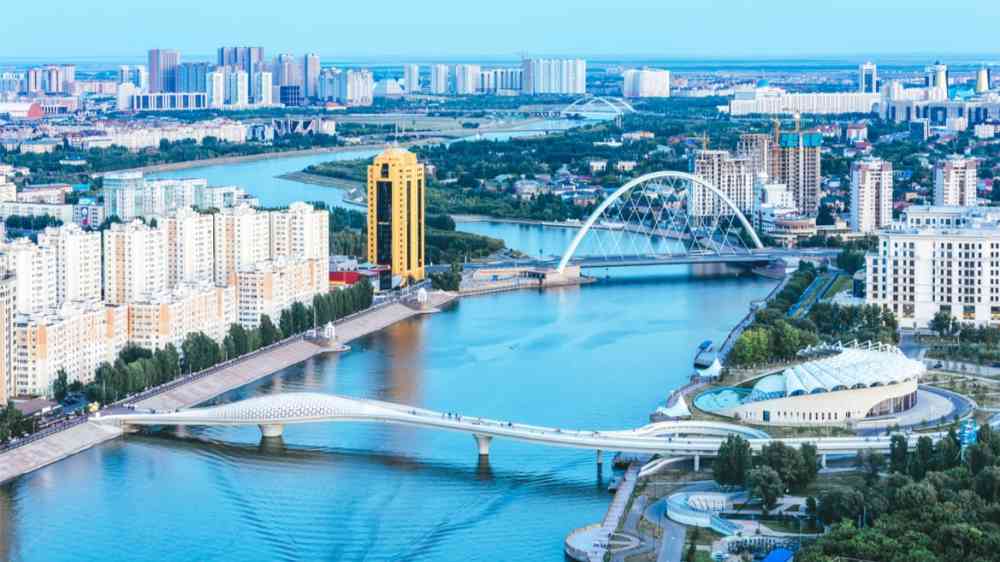
More than half of the world’s population is now living in urban areas, and the number continues to grow. The rapid increase in urban populations makes it increasingly difficult and challenging for cities and local governments to ensure the safety and wellbeing of their citizens.
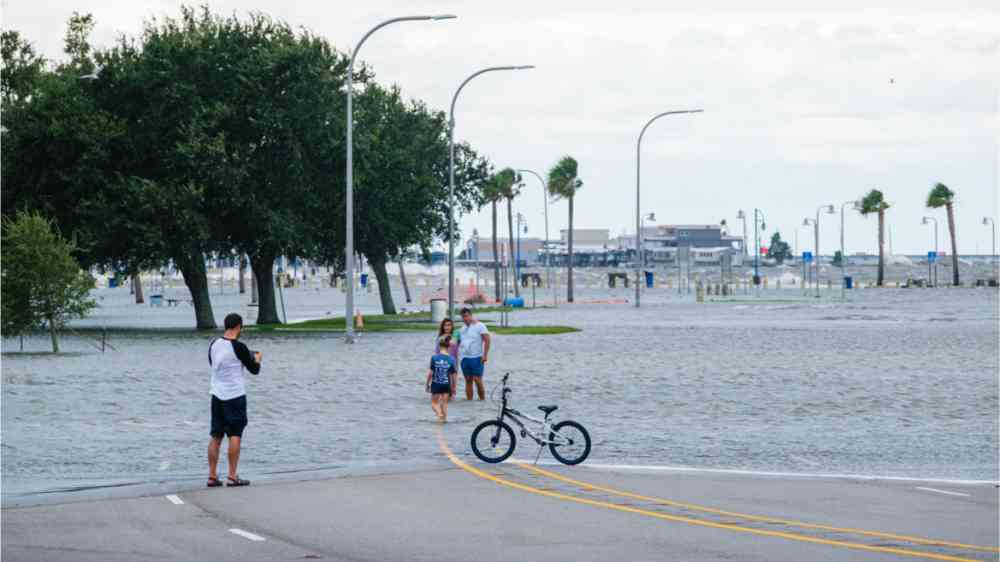
Rapid urbanization can lead to unplanned and informal settlements, building in vulnerable locations and leaving populations without access to basic public services. These factors increase the cities’ and urban populations’ vulnerability to the adverse impact of disasters and extreme climate events.
This guide provides guidance for urban planning professionals and those involved in city development on how to incorporate disaster risk reduction (DRR) and resilience into urban planning decisions and investments to support city governments’ resilience objectives and strategies.
How disasters impact cities
Many cities are crowded, unplanned, poorly built and vulnerable to disasters. The video explores the many different kinds of disasters that impact urban areas and how policymakers can find solutions.
The Ten Essentials for Making Cities Resilient
This animation offers policymakers and DRR practitioners an overview of the ten essentials for making cities resilient at the local level in line with the Sendai Framework for Disaster Risk Reduction.
Words into Action podcast
Cities are centers of growth and opportunity. However, rapid urbanization has made cities and the people who live there more vulnerable to the devastating impact of disasters and extreme climate events. How can we ensure that cities are expanding or being built in safe and resilient ways? Experts Sanjaya Bathia and Cassidy Johnson explain.
Case studies


DRR Community resources: Land use and urban planning