Small Island Developing States
Small Island Developing States (SIDs)
The 4th International Conference on Small Island Developing States (SIDS4) identified disaster risk reduction as a key priority, as reflected in the Antigua and Barbuda Agenda for SIDS the successor framework to the SAMOA Pathway. This new Programme of Action builds on the Sendai Framework for Disaster Risk Reduction and provides an opportunity to address implementation gaps, strengthen coherence, and ensure that SIDS remain on the path toward resilient prosperity.
SIDS’ commitment to use Sendai Framework indicators in the monitoring and reporting of ABAS reinforces coherence, alignment, and accountability while reducing reporting burdens and supporting data-driven decision-making.

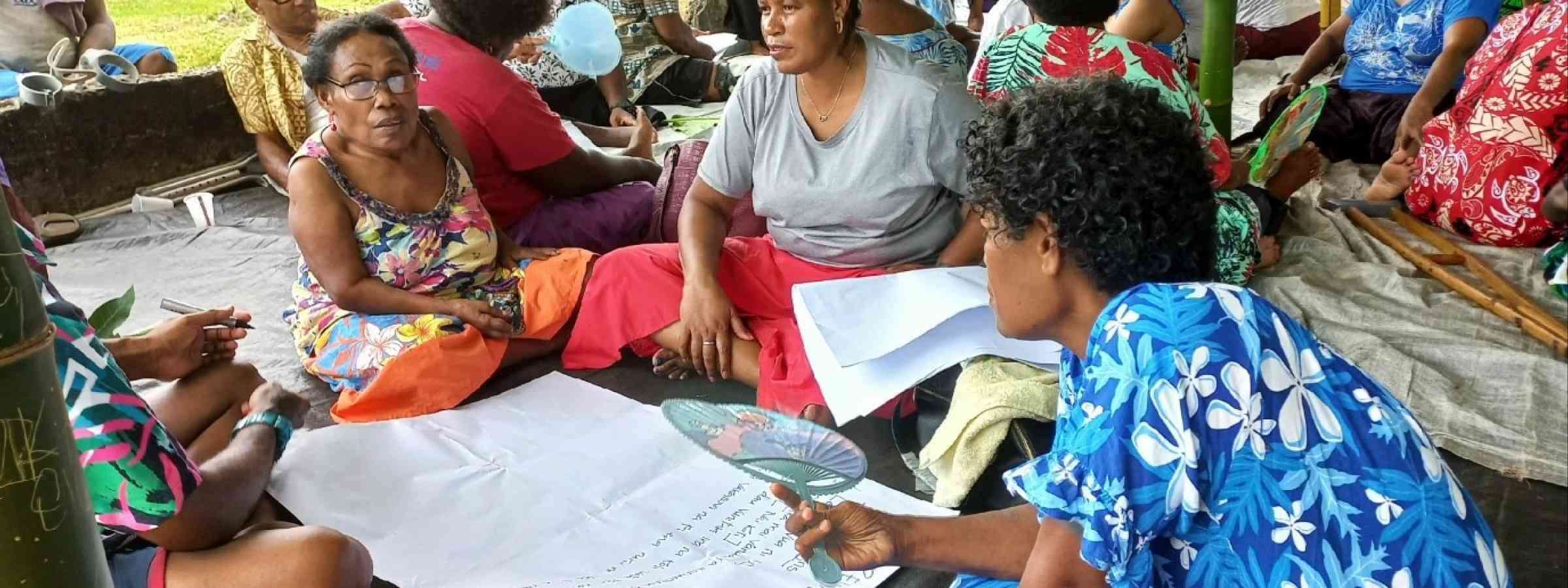
At the heart of UNDRR’s new Strategic Framework 2026–2030 lies a commitment to leave no one behind. This means advancing gender equality, disability inclusion, youth engagement, Indigenous knowledge, and addressing systemic discrimination as drivers of resilience. Inclusive resilience is not an optional goal for SIDS; it is essential to building communities that can anticipate, absorb, and recover from shocks.
The international community has a duty to support [SIDS], led by the countries that have greatest responsibility and capacity to deal with the challenges they face. SIDS are a test case for climate justice and financial justice.

António Guterres
Secretary-General of the United Nations
What are SIDS?
Small Island Developing States (SIDS) are a group of 39 States and 18 Associate Members of United Nations regional commissions located across the Caribbean, the Pacific, and the Atlantic, Indian Ocean, and South China Sea (AIS) regions.
Home to about 65 million people, less than one percent of the world’s population, SIDS face unique social, economic, and environmental challenges shaped by geography, limited resources, and high exposure to natural hazards.
SIDS are among the world’s most disaster-prone countries, with disproportionate vulnerability to cyclones, floods, droughts, earthquakes, tsunamis, and sea-level rise.
- The disaster mortality rate in SIDS is more than double the global average.
- On average, 18 percent of SIDS populations are affected after each disaster, compared to 6 percent in non-SIDS countries.
- Over the past fifty years, SIDS have lost USD 153 billion to weather, climate, and water-related hazards.
- SIDS experience an average annual 2.1 percent GDP loss due to disasters, compared to 0.3 percent elsewhere.
- Only 39 percent of SIDS report having a multi-hazard early warning system in place.
- Between 2000 and 2020, extreme weather caused USD 141 billion in losses, or about USD 2,000 per person.
(FAO, 2017; EM-DAT, 2024; WMO, 2022)
The SIDS4 Opportunity
SIDS have demonstrated leadership in implementing the Sendai Framework but continue to face systemic challenges across its four priorities. Under the UNDRR Strategic Framework 2026–2030, SIDS resilience efforts are supported through four catalytic areas: risk knowledge, locally led DRR, financing for resilience, and recovery readiness, all driven by inclusive partnerships and coherent climate action.

Priority 1: Understanding disaster risk
Vulnerability in SIDS is multi-dimensional and compounded by limited access to technology, data, and analytical capacity.
UNDRR supports SIDS in closing these gaps by:
- Strengthening risk data systems and national capacity to collect and analyze disaster loss data.
- Promoting the use of science, technology, and local knowledge to inform decision-making.
- Supporting the development of comprehensive risk assessments and open-access data platforms.
Priority 2: Strengthening disaster risk governance
Effective risk governance is critical to sustaining resilience. While many SIDS have pioneered integrated approaches linking DRR and climate adaptation, implementation remains uneven due to siloed financing, limited local capacity, and lack of legal frameworks.
UNDRR supports SIDS to:
- Develop and update national DRR legislation and integrated financial frameworks.
- Enhance coordination between sectors and levels of government, building coherence across climate and development planning.
- Empower parliamentarians and policymakers through UNDRR’s Toolkit for DRR Legislation to improve oversight and accountability.
- Promote inclusive governance, ensuring that women, youth, persons with disabilities, and Indigenous Peoples shape DRR strategies.
- Strengthen the role of local governments and community institutions in implementing DRR policies and monitoring risk.
UNDRR’s Comprehensive Risk Management (CRM) initiative helps SIDS align DRR and climate action, breaking silos and supporting coherence between National Adaptation Plans and DRR strategies.

Priority 3: Investing in disaster risk reduction
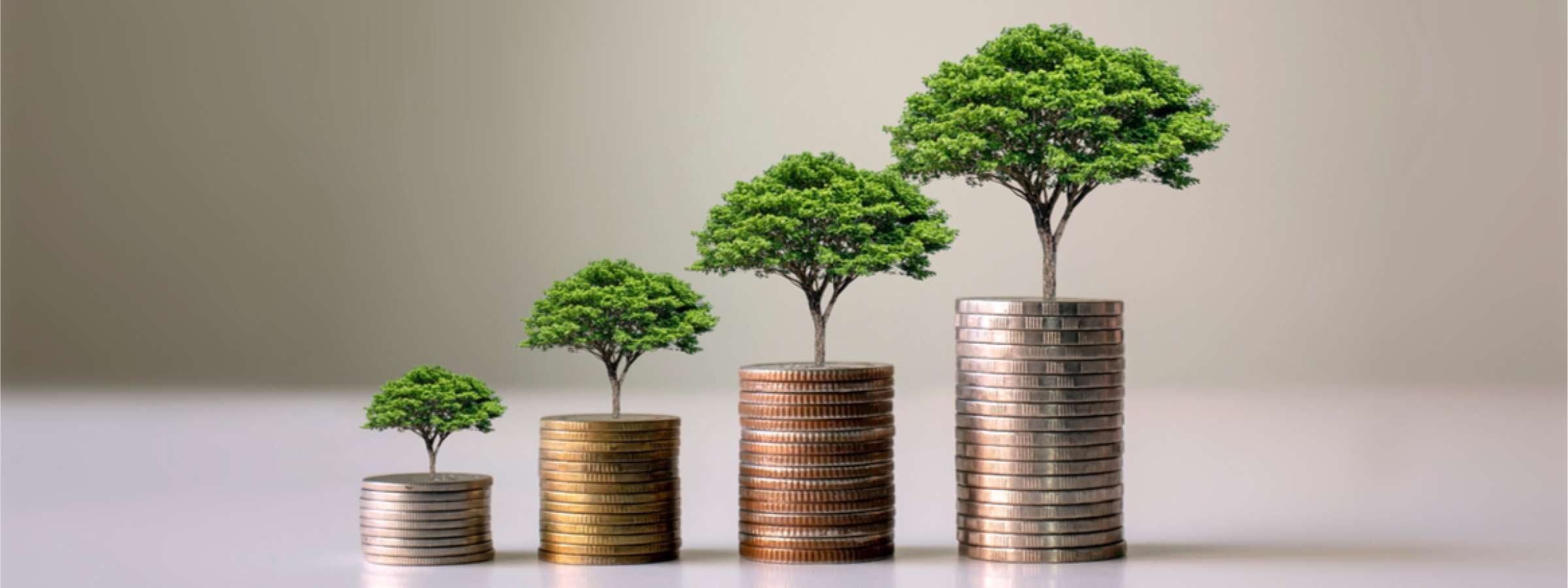
Financing for risk reduction in SIDS remains inadequate, with most resources still directed toward response and recovery. UNDRR works with SIDS to scale up financing for prevention and resilience through:
- Development of national DRR financing strategies, including budget tagging and tracking.
- Support for integrated climate and DRR investment frameworks aligned with ABAS and the Sendai Framework.
- Promotion of public-private partnerships and innovative instruments such as parametric insurance and resilient bonds.
- Collaboration with Ministries of Finance, international financial institutions, and the private sector to de-risk investment environments and strengthen access to concessional finance.
- Implementation of the Guide for Adaptation and Resilient Finance to engage insurers and investors in climate and DRR solutions.
UNDRR also partners with the Coalition for Disaster Resilient Infrastructure (CDRI) through the Infrastructure for Resilient Island States (IRIS) initiative, helping SIDS such as Tonga and Trinidad and Tobago apply UNDRR’s Principles for Resilient Infrastructure and conduct infrastructure stress testing.
Resilient infrastructure and risk-informed investment are essential to drive structural transformation and unlock sustainable growth.
Priority 4: Enhancing Preparedness and Recovery Readiness
SIDS lag in early warning coverage and recovery planning, keeping many countries in prolonged response cycles. UNDRR helps SIDS shift from reactive to proactive approaches through:
- Expansion of multi-hazard early warning systems via CREWS and EW4All.
- Promotion of anticipatory action and post-disaster needs assessment capacities at national and local levels.
- Support to local authorities for community-based preparedness and early action protocols.
- Strengthening of regional collaboration on forecasting, response, and recovery coordination.
- Encouragement of community participation through public awareness initiatives like #GetToHighGround tsunami drills.
UNDRR and WMO are jointly improving global monitoring of early warning systems through the EW4All Dashboard and Global Status Reports, featuring SIDS progress and lessons learned.
UNDRR’s offer of support to help SIDS achieve and sustain resilient prosperity
UNDRR’s work with SIDS is guided by its Strategic Framework and grounded in partnership, inclusion, and innovation. As the UN system’s focal point for DRR, UNDRR acts as a global leader, convener, and trusted partner to catalyze action.
Capacity building and means of implementation
- Support for legislative frameworks and integrated finance mechanisms for multi-hazard governance.
- Capacity development through UNDRR’s Global Education and Training Institute (GETI) and the SIDS Centre of Excellence.
- Technical support for hazard and loss tracking systems and data interoperability.
- Collaboration with UNOPS under the Santiago Network Secretariat to provide technical assistance for climate-vulnerable SIDS.
Harnessing synergies between climate adaptation, DRR, and development
- Promotion of coherent approaches through Comprehensive Risk Management (CRM), aligning climate adaptation, DRR, and sustainable development.
- Support for sectoral integration in health, water, education, energy, and tourism.
- Capacity-building for integrated budget tagging and risk-sensitive planning.
- Advancement of local and national resilience through MCR2030, currently engaging 25 cities across eight SIDS.
Infrastructure resilience
- Partnership with CDRI on resilient infrastructure design and planning.
- Development of stress-tested investment portfolios that factor in local climate risks.
- Integration of risk assessments into critical infrastructure and housing investments.
Community empowerment and inclusion
Inclusive resilience is central to UNDRR’s approach. SIDS’ resilience efforts must reflect and benefit the diversity of their communities. UNDRR works to:
- Strengthen local DRR leadership and community-based planning.
- Promote digital tools for preparedness and response at the local level.
- Ensure the active participation of women, youth, persons with disabilities, older persons, and Indigenous communities in DRR policies and actions.
- Support social and economic inclusion for communities displaced by disasters or climate impacts. By ensuring that no one is left behind, SIDS can achieve resilience that is equitable, lasting, and truly transformative.
Coordination and partnerships
- Co-development of the ABAS Monitoring and Evaluation Framework building on the Sendai Framework Monitor.
- Strengthening coordination among regional, humanitarian, and development partners for coherent risk management.
- Engaging with UN agencies, academia, private sector, and civil society to align investments and share knowledge.
The Road ahead: Shared responsibility for resilience
SIDS are on the frontlines of the global resilience challenge, and the coming years are decisive. The implementation of ABAS and the UNDRR Strategic Framework provides a window of opportunity to transform risk governance, financing, and local leadership.
Working with and through partners, UNDRR will continue to champion inclusive, risk-informed development that ensures SIDS not only recover from disasters but thrive amid them, safeguarding prosperity, equity, and sustainability for generations to come.