We must all act decisively, rapidly and efficiently to turn DRR knowledge and institutional arrangements into impact and to scale innovation, while protecting human rights and ensuring that no one is left behind.
Partnerships and all-of-society approaches lie at the heart of effective disaster risk reduction. UNDRR applies a systemic risk lens to resilience-building and leverages our mandated convening role to further strengthen the DRR community of practitioners to scale up efforts, requiring collaboration between governments, the United Nations and other international organizations and stakeholder groups at large.
- We build risk understanding, foster risk-informed development policies and practice, legislation and governance structures, facilitate dialogue and knowledge exchange and promote good practice.
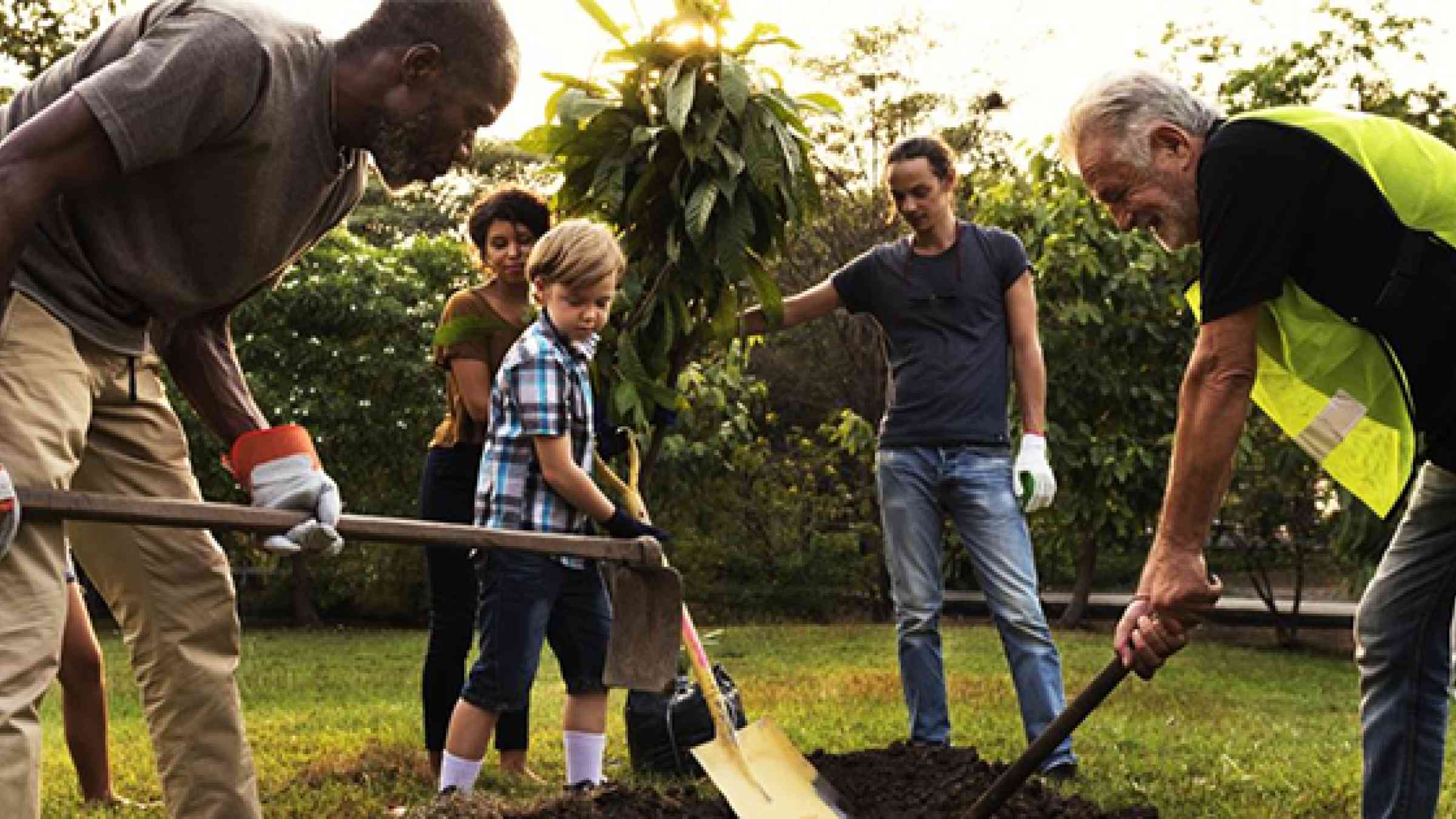
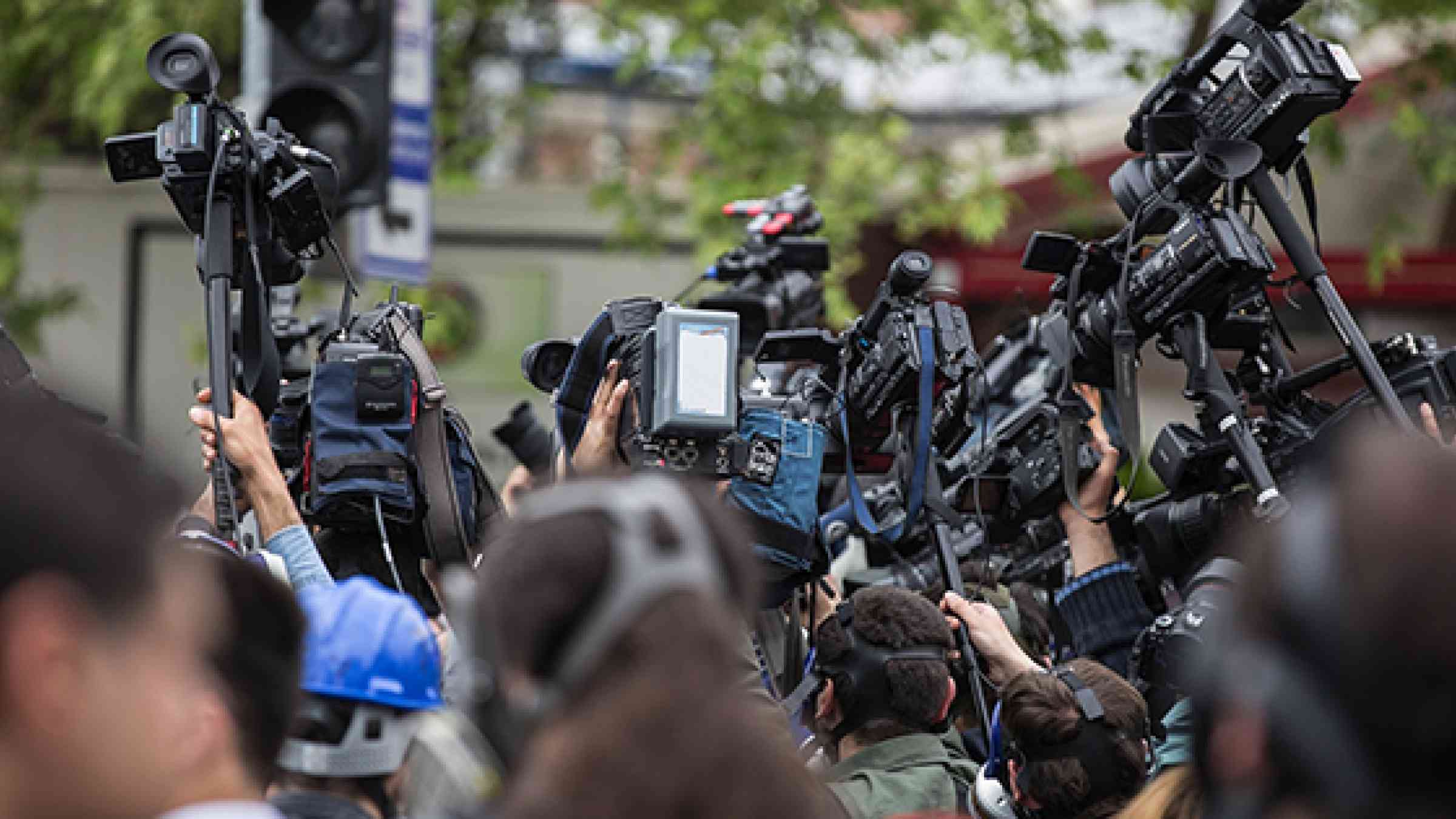
- We collaborate with a wide range of strategic partners through Multi-Stakeholder Initiatives & Partnerships to amplify impact, including with other United Nations entities, regional organizations, parliamentarians, local authorities, private sector and financial institutions, youth, diverse civil society, and media.
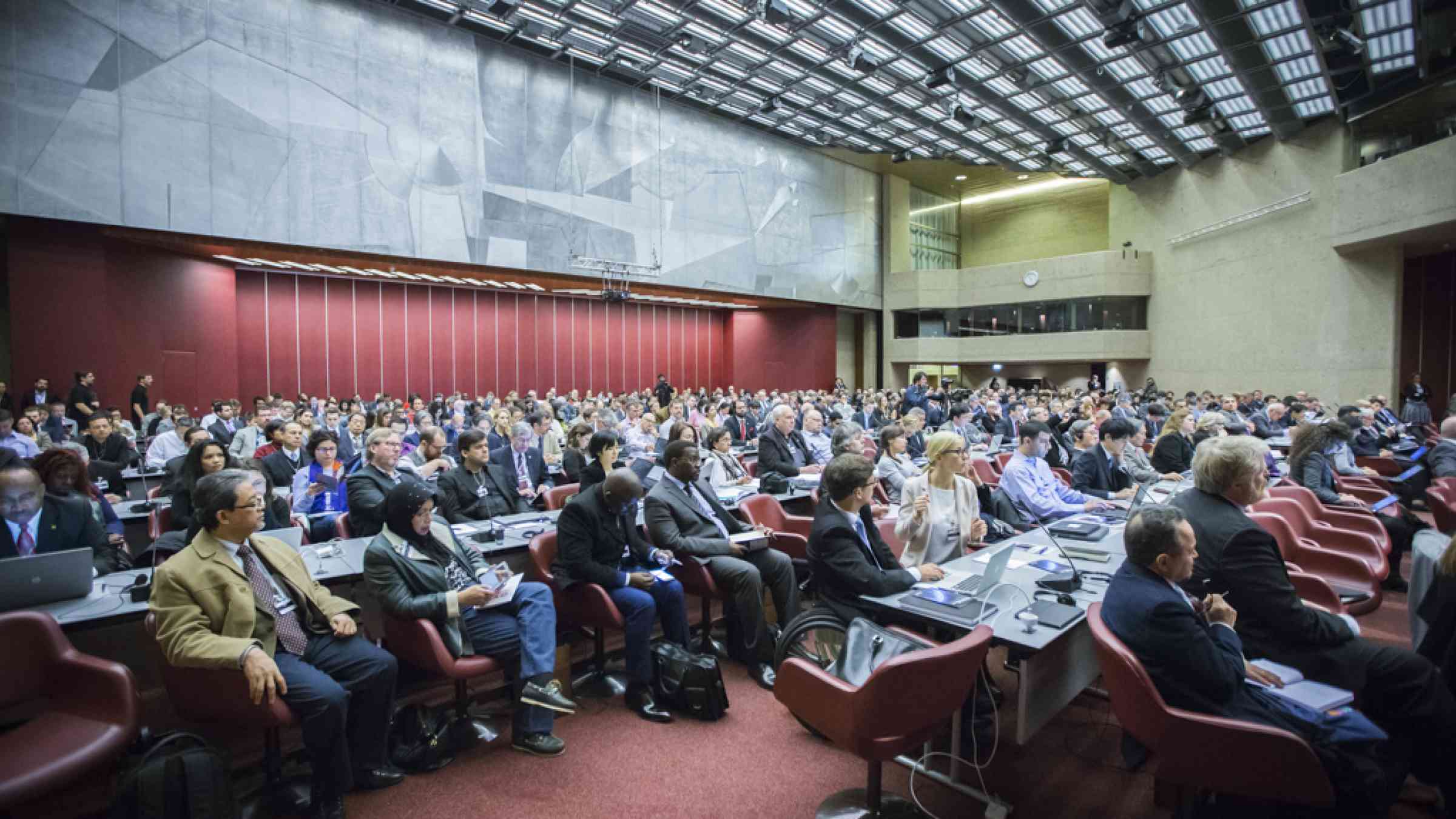
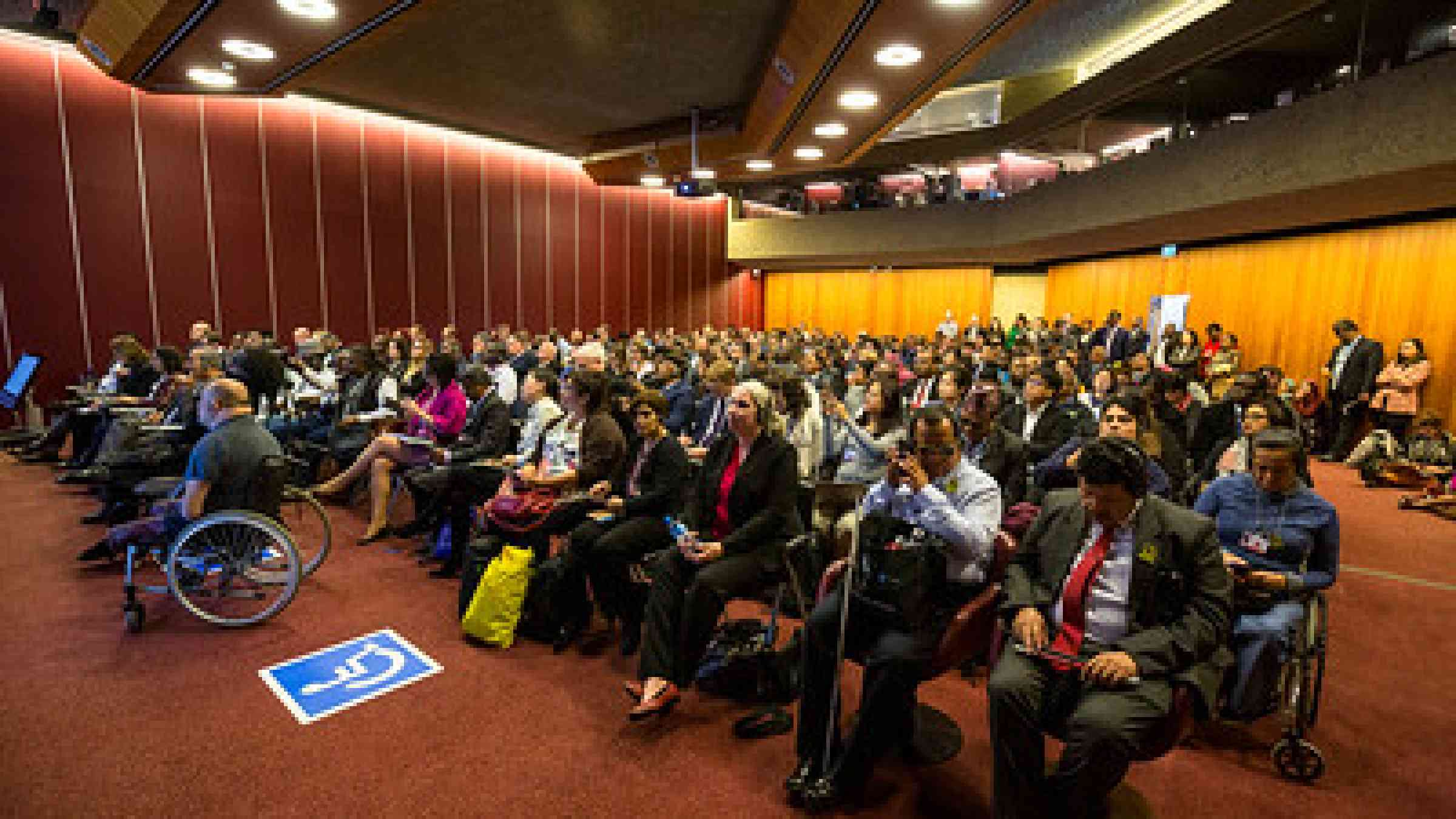
Through UNDRR established Stakeholder Engagement Mechanisms, we engage with diverse stakeholders. We bring stakeholders together to leverage their enabling and influencing power and reach to enhance risk-informed development and humanitarian action, to draw on their risk understanding, knowledge, expertise and good practice to advocate, act and lead enhanced DRR efforts from the global to local level. These Stakeholder Engagement mechanisms include:
- Regional Platforms and the triennial Global Platform for Disaster Risk Reduction
- Sendai Framework Voluntary Commitments online platform where you can share and monitor non-State stakeholder commitments
- The Sendai Stakeholder Engagement Mechanism (the Sendai SEM) where you can join up to 21 diverse stakeholder groups who join hands for disaster risk reduction across agendas, from global to local action. Join SEM.