The Africa Multi-Hazard Early Warning System and Early Action Programme
Countries with limited early warning systems face disaster-related mortality rates nearly six times higher than those with strong systems.
As of 2026
Source: Sendai Framework Monitor, data as of August 2026
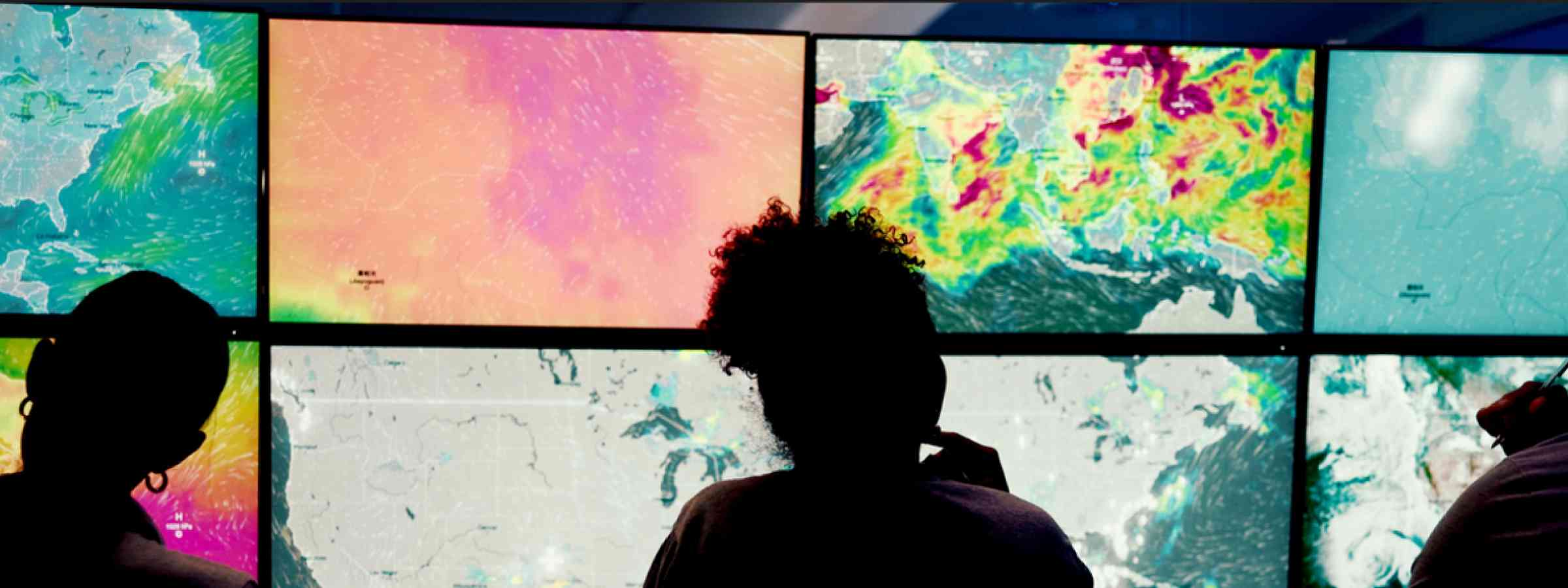
The Early Warning for All (EW4All) initiative is already strengthening climate resilience across Africa. Today, Multi-hazard Early Warning Systems (MHEWS) are in place in over 50% of African countries. This progress is translating into better preparedness, anticipatory action, and reduced disaster impacts.
However, significant gaps remain in Africa, where MHEWS coverage and system comprehensiveness are well below the global average. These gaps are especially critical in fragile, vulnerable, and conflict affected countries, where climate shocks frequently compound insecurity, displacement, and humanitarian crises. In such contexts, early warning systems are not only a technical tool but a lifeline for saving lives, protecting livelihoods, and preventing crisis escalation.
Beginnings of the programme
Since 2018, national DRR authorities of 17 African countries, in partnership with UNDRR and CIMA Research Foundation, developed probabilistic disaster risk profiles for floods and droughts at the national level. in 2019 UNDRR initiated a second phase of the project that was structured to develop a road map to build resilient societies by further improving availability, accessibility and the use of risk information at continental, regional, and national scales involving African Union Commission (AUC), the Regional Economic Communities (RECs) and the countries, as well as key African actors in the field of DRR.
In 2020, the AUC with support from UNDRR and the CIMA Research Foundation developed a Road Map for Improving the Availability, Access and Use of Disaster Risk Information for Early Warning and Early Action. The Road Map identifies recommendations aiming to improve the availability, accessibility and use of risk information at the continental, regional, national scales for the African Union Commission, regional Economic Communities and the Member States, with four pilot countries (Angola, Ethiopia, Tanzania, and Zambia).
In 2022, the Africa Multi-Hazard Early Warning System and Early Action System (AMHEWAS) Programme 2022-2030 was established by African Union Commission (AUC). The AMHEWAS programme was conceived as an initiative to catalyse risk-informed early action and strengthen resilience in Africa by investing in multi-hazard early warning systems. Its key actions are focused around enhancing member states’ capacities to respond to hazards by:
- Understanding the scale and distribution of hazards
- Ensuring that multi-hazard early warning systems are backed up by interoperable situation rooms; and
- Bridging the early warning – early action gaps.
Ultimately, the comprehensive early warning systems being strengthened around the continent, and their outputs, will drive the response and coordination capacities of Member States forwards, and build the overall resilience to the impacts of natural hazards in Africa.
Read the AUC's full brief on the AMHEWAS programme here.
In February 2025, the African Union's executive council gathered in Addis Ababa, Ethiopia for the 38th Ordinary Session of the Assembly of the Union. During this session, the council recognised the on-going efforts of AMHEWAS Programme, and declared it Africa's primary vehicle for implementing early warning activities including the application EW4All.
In 2026, the Africa Early Warnings Forum held in Addis Ababa acknowledged the contributions of the AMHEWAS programme in achieving the objectives of the Early Warnings for All (EW4All) initiative.
From risk profiles to a continental network
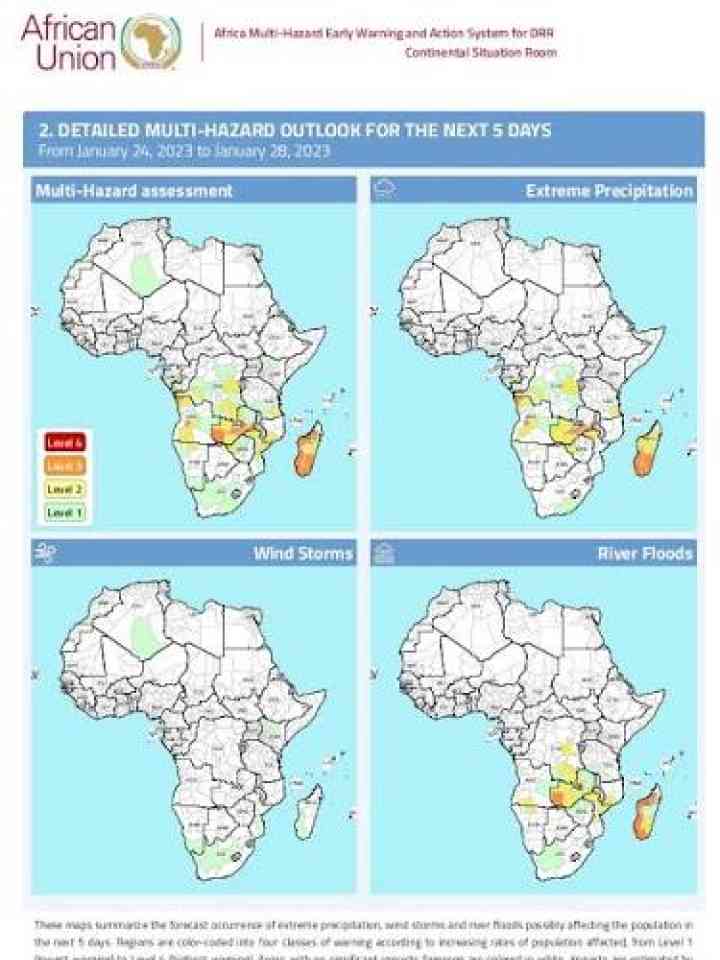
The AMHEWAS institutional and operational framework aligns with the four Early Warnings for All pillars: disaster risk knowledge; detection, observation, monitoring, analysis and forecasting; warning dissemination and communication; and preparedness to respond.
Disaster knowledge, Detection, observation & forecasting, Warning dissemination, Preparedness to respond
AMHEWAS tools
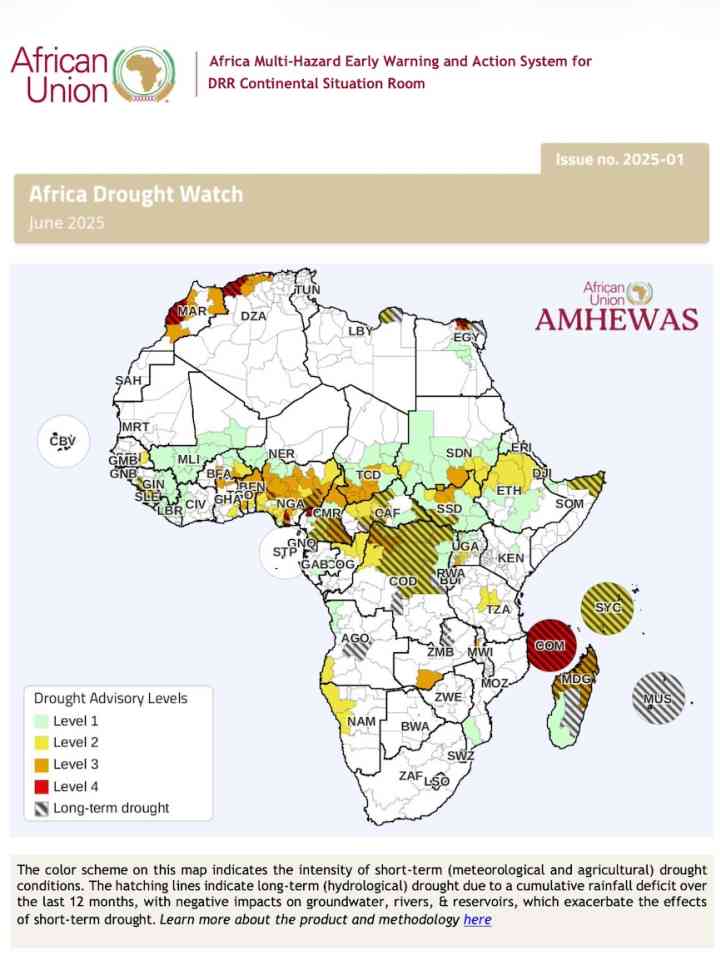
Partnerships across the network
UNDRR projects supporting AMHEWAS:
Disaster Risk Reduction Capacity Building in Africa
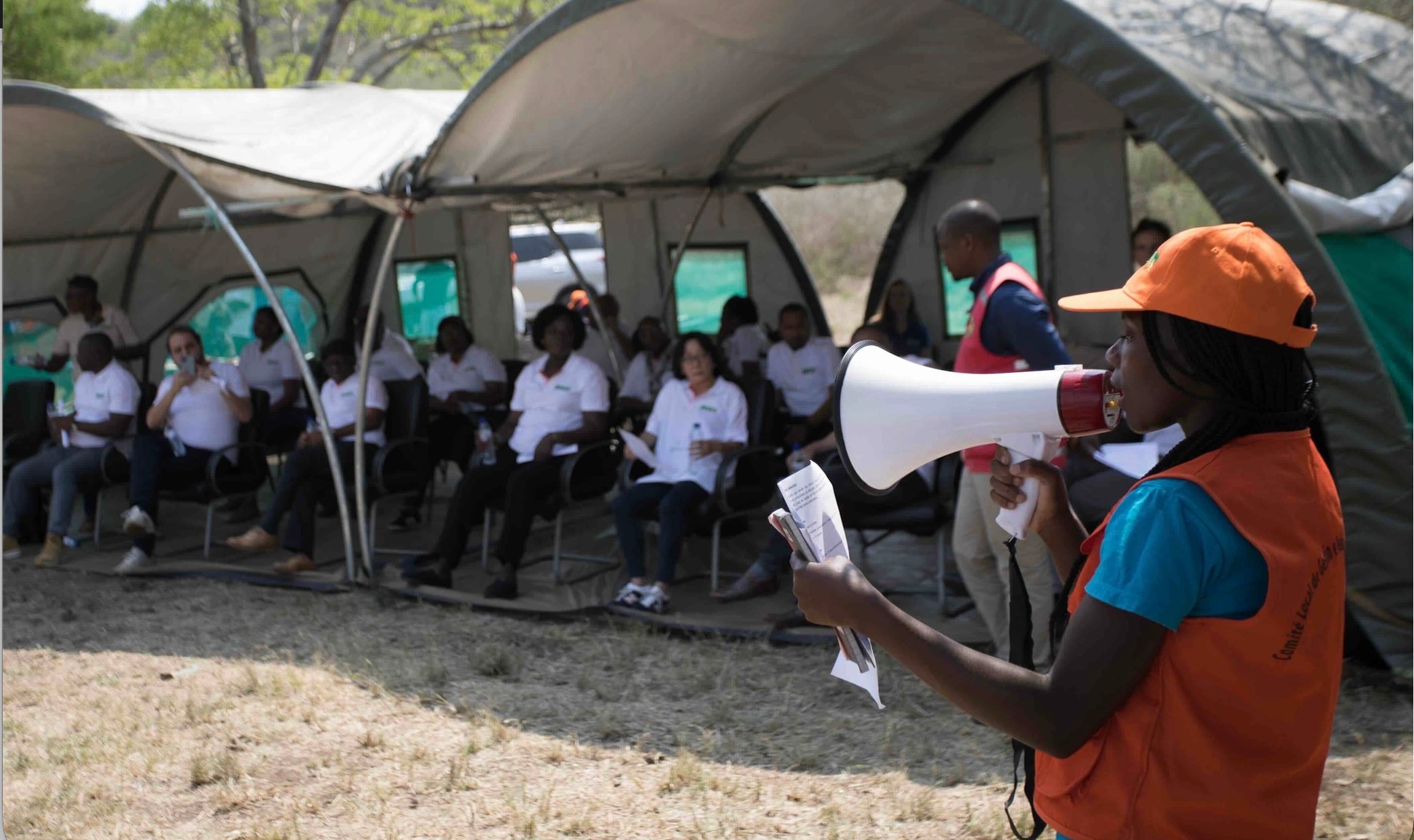
With the AUC and CIMA Foundation, sustained by the Government of Italy since 2020 — the foundation that made AMHEWAS a reality on the ground.
Regional Cooperation & Solidarity, West Africa
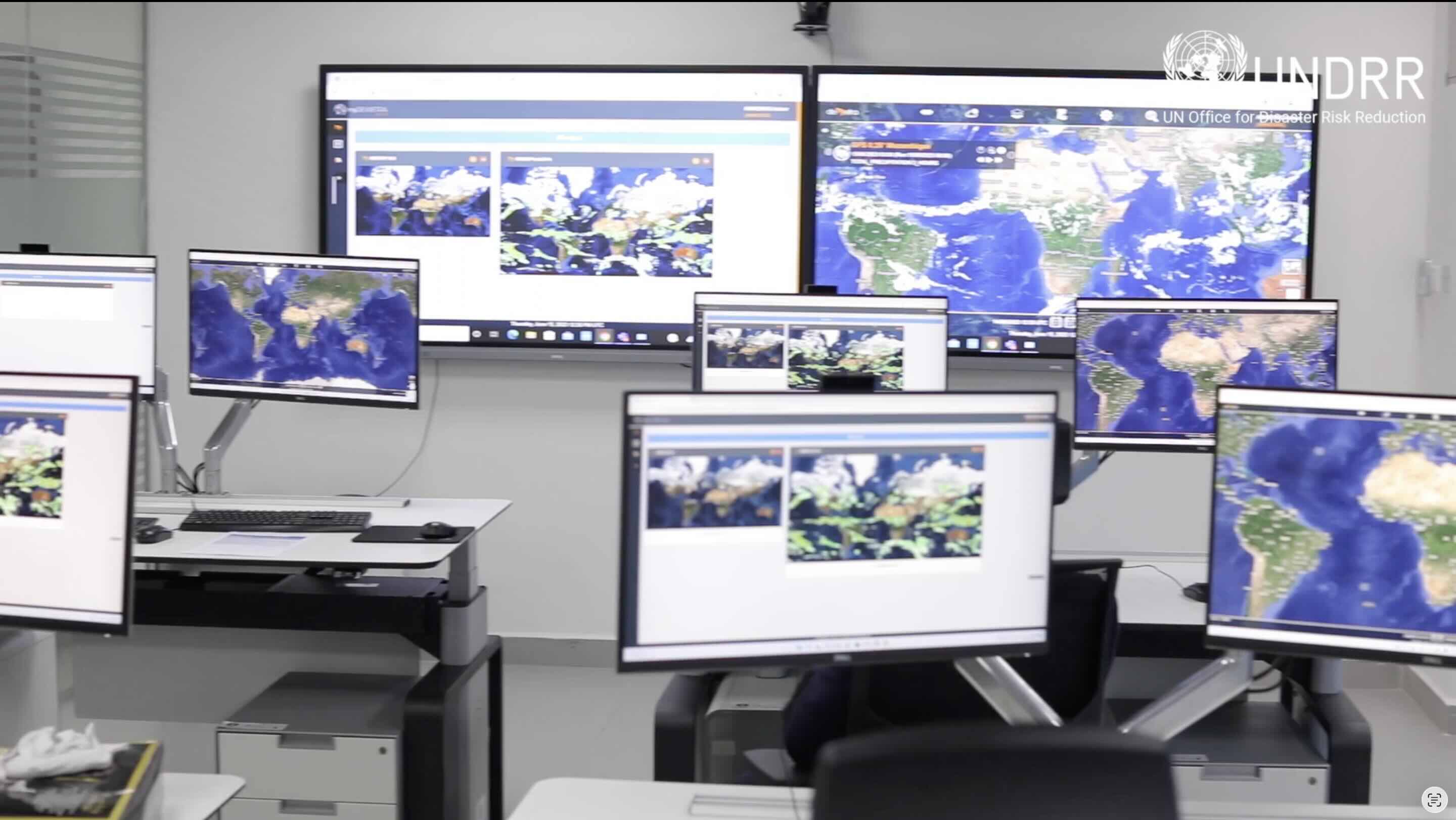
With ECOWAS and European Union funding, bridging early warning and early response via the ECOWAS Disaster Operations Centre in Abuja.
Central Africa — Seamless Forecasting & Warning
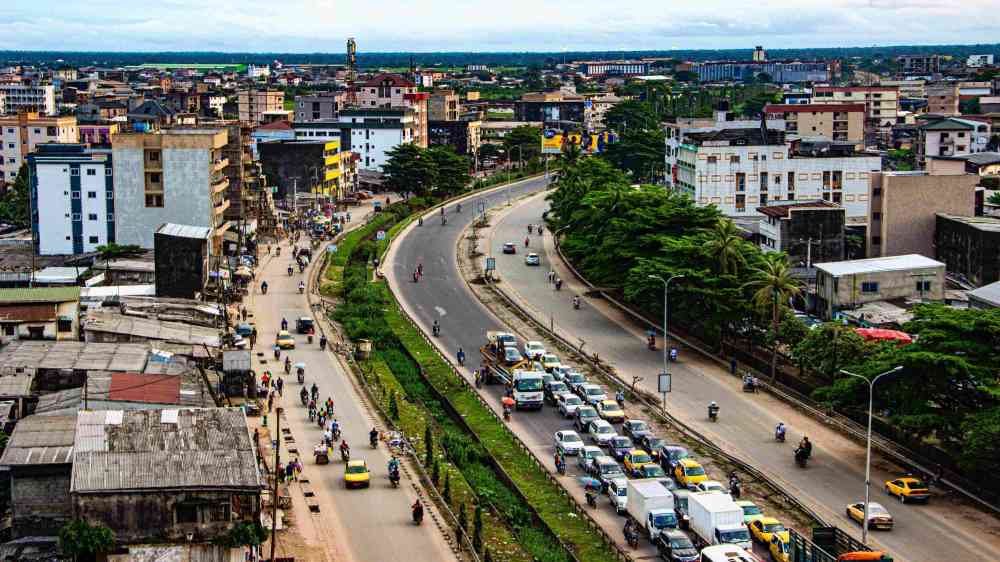
Under the CREWS Initiative, established the ECCAS situation room at CAPC-AC in Douala, Cameroon, inaugurated September 2024.
Water at the Heart of Climate Action
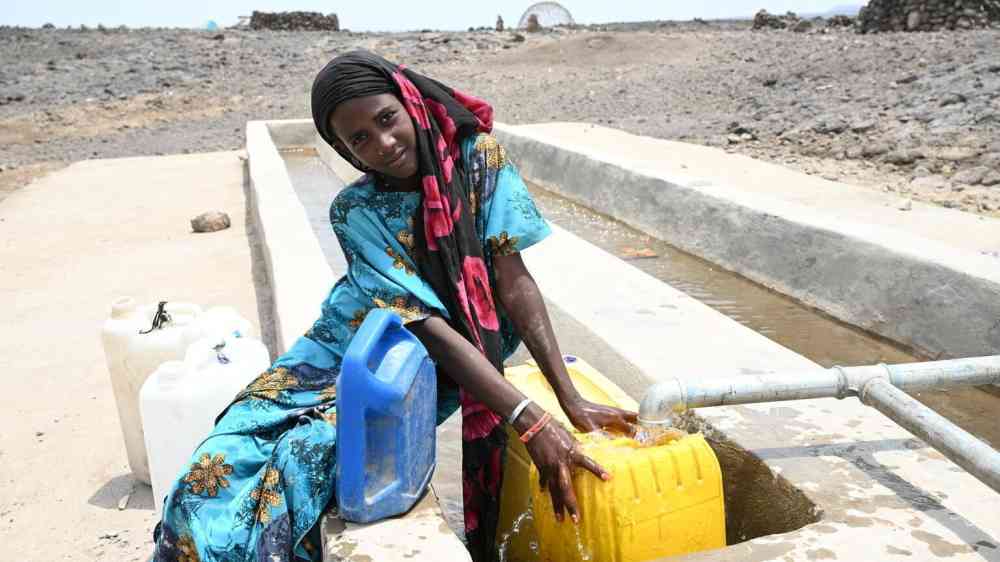
Funded by the Kingdom of the Netherlands, strengthens early warning systems and water resilience for Ethiopia, South Sudan, Sudan, Rwanda and Uganda.
Strengthening Early Warning Systems in Kenya
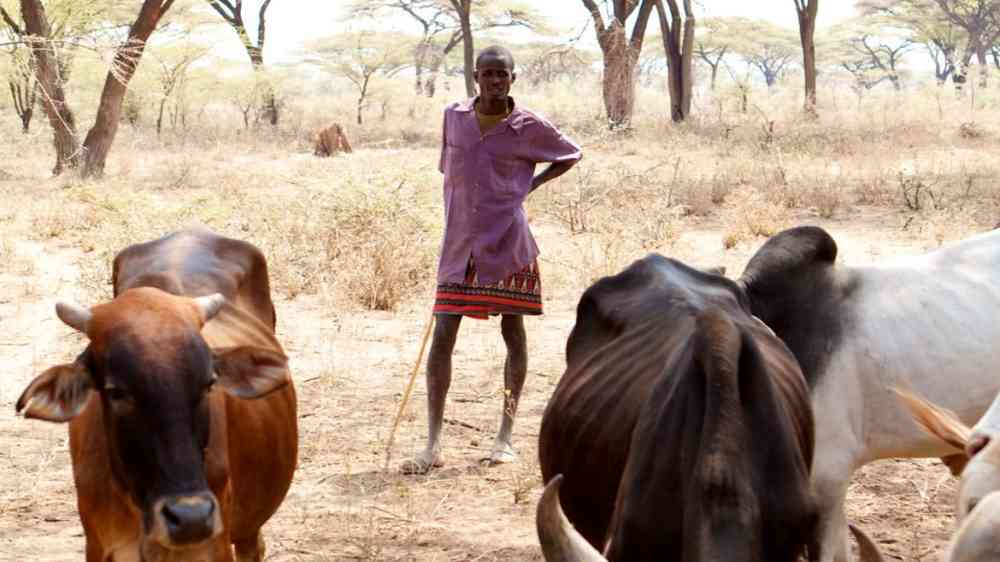
Italy (AICS)-funded support for coordination, governance and a new national coordination cell linked to the AMHEWAS network.
Denmark’s Support of Early Warnings for All

Accelerating Early Warning implementation across Niger, Somalia, South Sudan, Tanzania and Uganda, focused on Pillar 1 risk knowledge.