
Serbia launches new initiative to strengthen early warning systems and disaster resilience in the Western Balkans
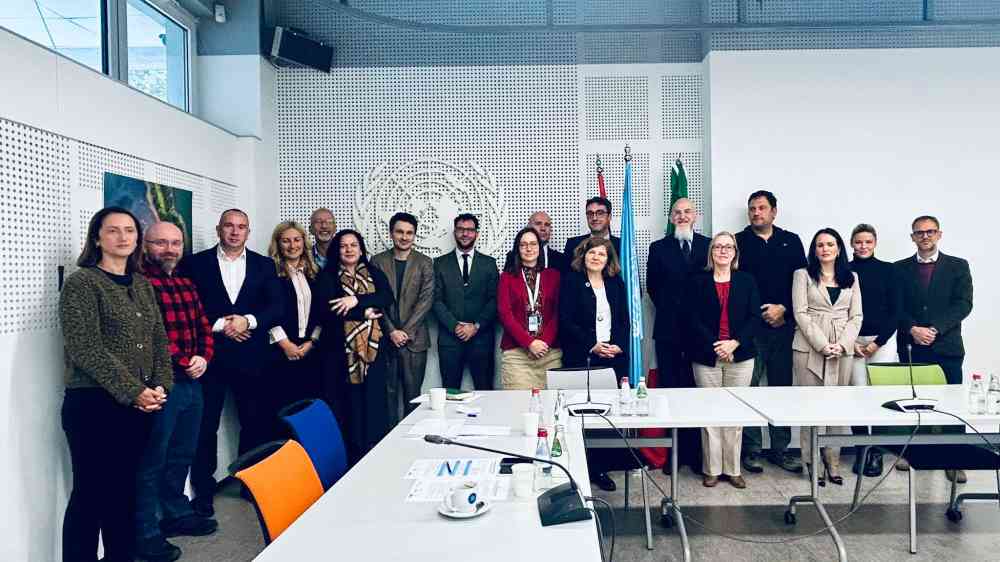
Belgrade/Brussels, 3 October - A new three-year initiative aimed at boosting disaster and climate resilience in the Western Balkans was officially launched in Belgrade this week. With a focus on Serbia, Albania, and North Macedonia, the project is generously supported by the Government of Italy and implemented by the United Nations Office for Disaster Risk Reduction (UNDRR) and partners.
The initiative seeks to accelerate targeted disaster risk reduction actions, including enhancing early warning systems, improving risk governance, and fostering transboundary cooperation. It comes at a time when the region faces increasing threats from floods, earthquakes, wildfires, droughts, and other climate-related hazards.
The launch event, held at the United Nations House in Belgrade, brought together key stakeholders from the Serbian government, international organizations, civil society, and the donor community. Representatives from the Ministry of Interior's Emergency Management Sector, Ministry of Finance, Republic Hydrometeorological Service, and other national institutions joined development partners such as the EU Delegation, World Bank, and UN agencies.
Mr. Ivan Baras, Assistant Head of Sector for Emergency Management of the Ministry of Interior of Serbia, emphasized that the Initiative reflects the shared determination of national authorities, international organizations, and development partners to strengthen resilience and preparedness in the face of growing disaster risks. He underlined that the Government of Serbia has long recognized resilience and early warning systems as national priorities, while also acknowledging their importance as shared regional responsibilities.
"Risks do not stop at borders, and therefore our response must be collective, coordinated, and forward-looking." He noted.
He highlighted that enhancing disaster and climate resilience in Albania, North Macedonia, and Serbia by improving risk knowledge, risk governance, early warning systems, and transboundary cooperation is a goal of great importance. Serbia remains fully committed to contributing actively to this goal and to working closely with all partners. He expressed appreciation for the partnership and support of the Italian Agency for Development Cooperation (AICS), UNDRR, and all international and national stakeholders present at the event, noting that their engagement demonstrates the importance of solidarity and cooperation in addressing disaster risks.
H.E. Luca Gori, Ambassador of Italy to Serbia stated that the project 'Strengthening Transboundary Collaboration and Capacities on Disaster Risk Reduction and Early Warning Systems in the Western Balkans' represents a concrete and significant step in the cooperation between the AICS, UNDRR and the countries of the Western Balkans in the field of civil protection and disaster risk reduction. With Italy's funding, Serbia will be able to strengthen its early warning systems and its capacity for joint response, integrating the Serbian national system into the European Civil Protection Mechanism, with the goal of saving lives and building more resilient communities in the face of climate change and natural emergencies. Italy, with its civil protection model recognized at both European and international level, is proud to share its experience, technologies, and know-how, promoting an inclusive approach that values the role of women, vulnerable groups, and local communities.
"Together, we are reinforcing regional cooperation and building greater security, solidarity, and sustainability for the future of the Western Balkans region, " the Ambassador highlighted.
Ms. Natalia Alonso Cano, Chief of UNDRR Regional Office for Europe and Central Asia said,
"This initiative supports the region's broader aspirations. By strengthening disaster risk governance and regional cooperation, we hope these actions will contribute to Serbia's path towards EU accession".
The project, titled "Strengthening Transboundary Collaboration, Disaster Risk Reduction Capacities and Early Warning Systems in the Western Balkans", will run until 2028. It aims to promote risk-informed investments and integrate disaster risk considerations into national planning and budgeting processes.
Key focus areas include:
- Enhanced early warning systems through real-time data platforms and disaster loss tracking.
- Strengthened risk governance by integrating disaster risk reduction and climate adaptation into national frameworks.
- Empowered local communities through strategic planning and urban resilience initiatives.
Regional collaboration will be central to the initiative, leveraging the expertise of the Italian Civil Protection and aligning with EU mechanisms to ensure coordinated disaster risk reduction strategies.
This launch marks a significant step forward in Serbia's commitment to building a safer and more resilient future for its citizens and the wider Western Balkans region.