UNDRR News

The latest news from the United Nations Office for Disaster Risk Reduction (UNDRR), the lead UN agency for the coordination of disaster risk reduction (DRR).

United Nations Office for Disaster Risk Reduction - Regional Office for Africa

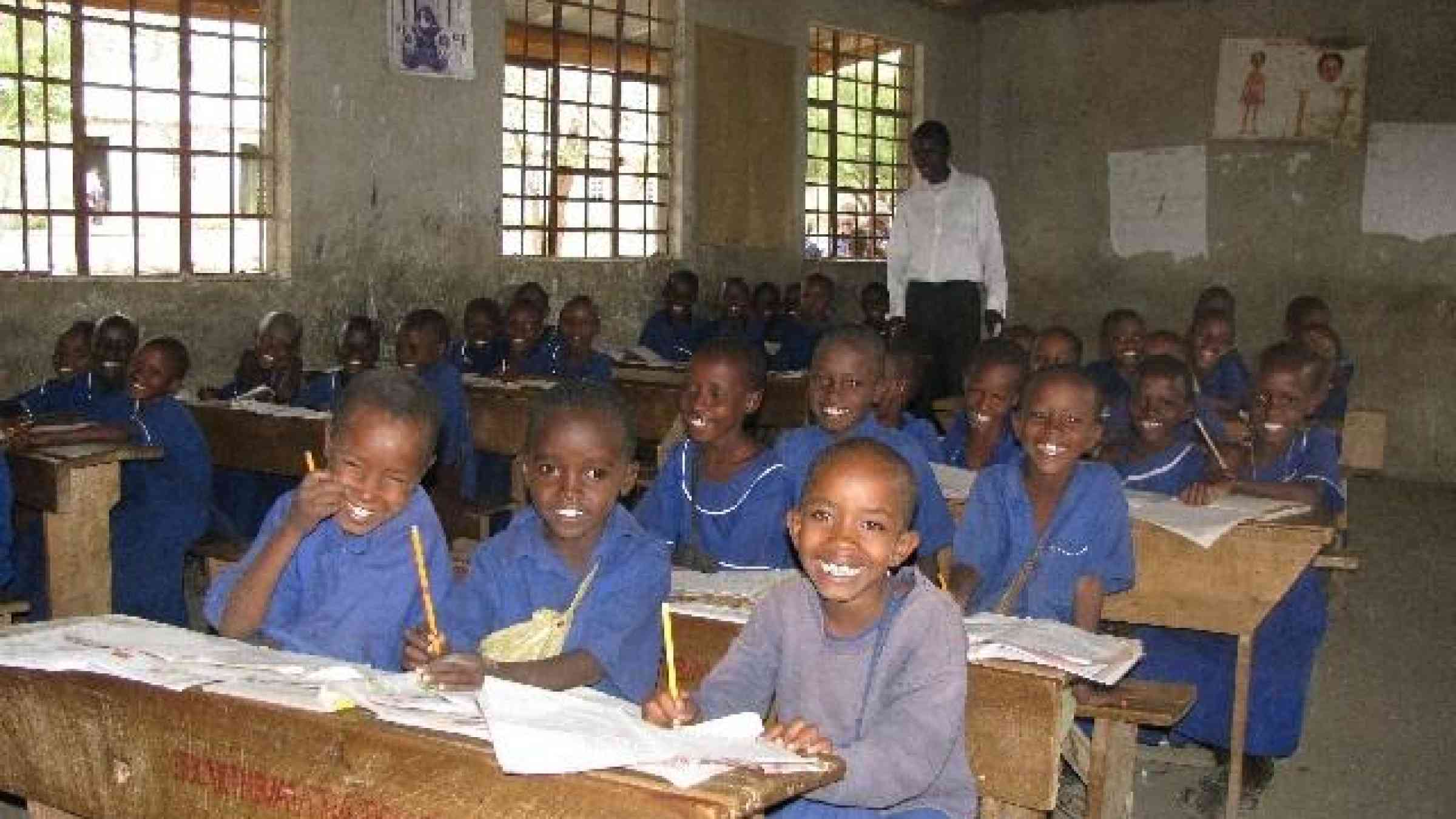
Children in class in Ketumbeine community in north-eastern Tanzania (c) World Vision
Update

Following a deadly and disruptive earthquake in September 2016, authorities in Tanzania have embarked on a project to engage school children in community disaster preparedness as part of their Education in Emergency initiative.

United Nations Office for Disaster Risk Reduction - Regional Office for Africa
A community in Gombaniro Village, Rusizi District, Rwanda, participates in an exercise to map hazards affecting their village (photo UNISDR/Samuel Okiror)
Update

Rwanda has mainstreamed disaster risk reduction (DRR) across all sectors and put in place strong regulations and contingency plans to address all natural and man-made hazards affecting the country.

United Nations Office for Disaster Risk Reduction - Regional Office for Africa
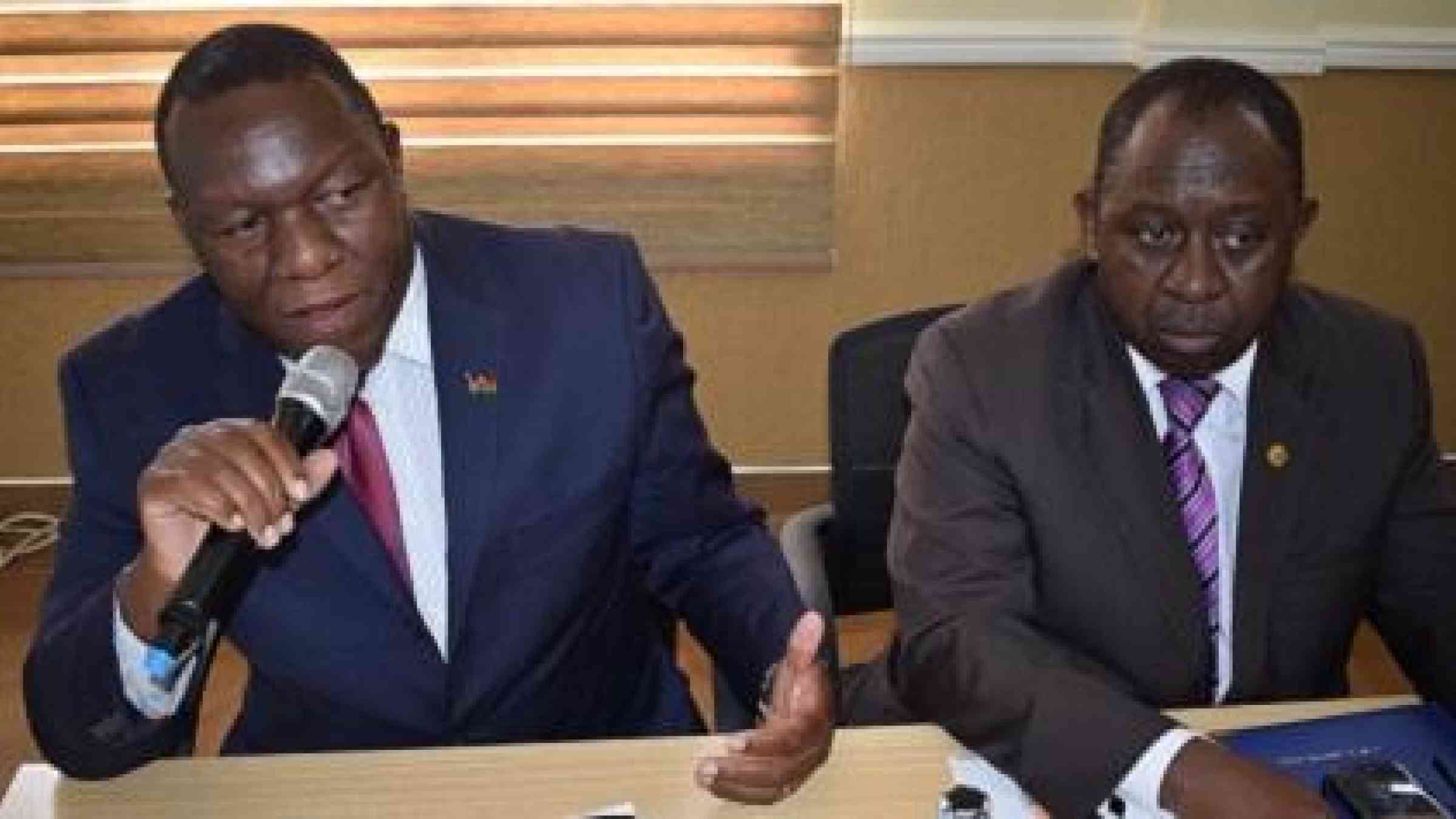
Cliff Chiunda, Office of the President and the Cabinet, speaking at the workshop to establish a disaster loss data base for Malawi, with Clement Chinthu Phiri, Department of Disaster Management Affairs.
Update

Malawi today became the latest country in Africa to complete training on establishing a national disaster loss data base, considered an essential prerequisite for being able to report on progress on reducing disaster losses and improving disaster risk management.

United Nations Office for Disaster Risk Reduction - Regional Office for Africa
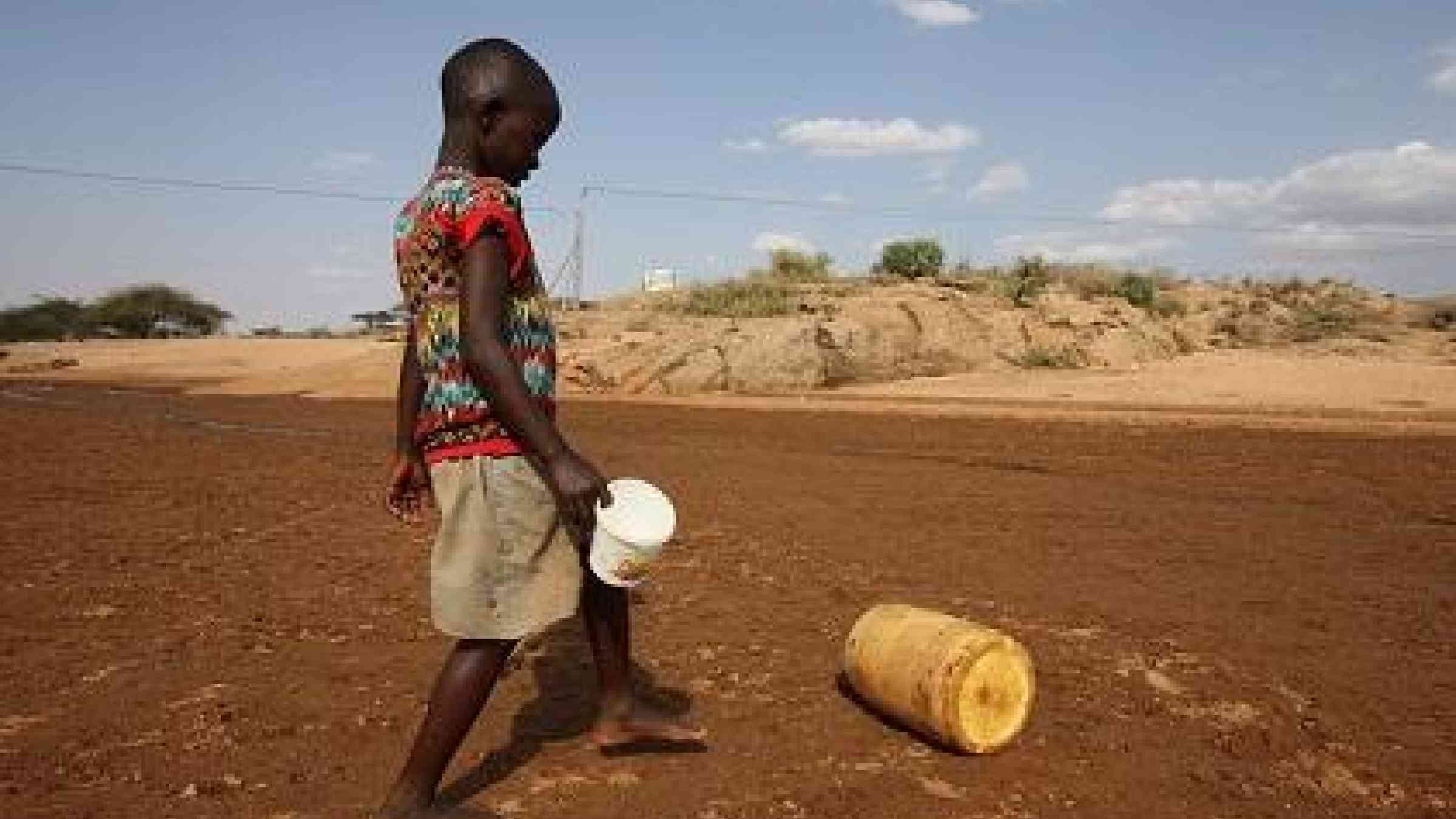
The dry and arid region of Isiola in Kenya where droughts are recurrent. Photo ©EU/ECHO/Martin Karimi
Press release

The United Nations Office for Disaster Risk Reduction has engaged CIMA Research Foundation to generate risk profiles on flood and drought in 16 countries in Sub-Saharan Africa. The countries that will be involved in the risk assessment are: Angola, Equatorial Guinea, Guinea Bissau, Rwanda, Swaziland, Tanzania, Ivory Coast, Botswana, Zambia, Namibia, Gambia, Gabon, Cameroon, Ghana, Sao Tome and Principe, and Kenya.

United Nations Office for Disaster Risk Reduction - Regional Office for Africa
Participants at the 11th Africa Working Group on Disaster Risk Reduction (photo: UNISDR)
Update

The African Union has announced plans to increase the number of member States with national disaster loss data bases and to put a training programme in place in preparation for the roll-out next year of the Sendai Monitor, the UNISDR-backed mechanism for measuring progress in reducing disaster losses.

United Nations Office for Disaster Risk Reduction - Regional Office for Africa
Children make their way through a flooded street in Madagascar during Cyclone Enawo this March (Photo: UNICEF Madagascar)
Update

Struck three months ago by a cyclone that affected 500,000 of its 24 million people, the climate-vulnerable Indian Ocean nation of Madagascar sees early warning and disaster preparedness as fundamental to its future resilience.

United Nations Office for Disaster Risk Reduction - Regional Office for Africa
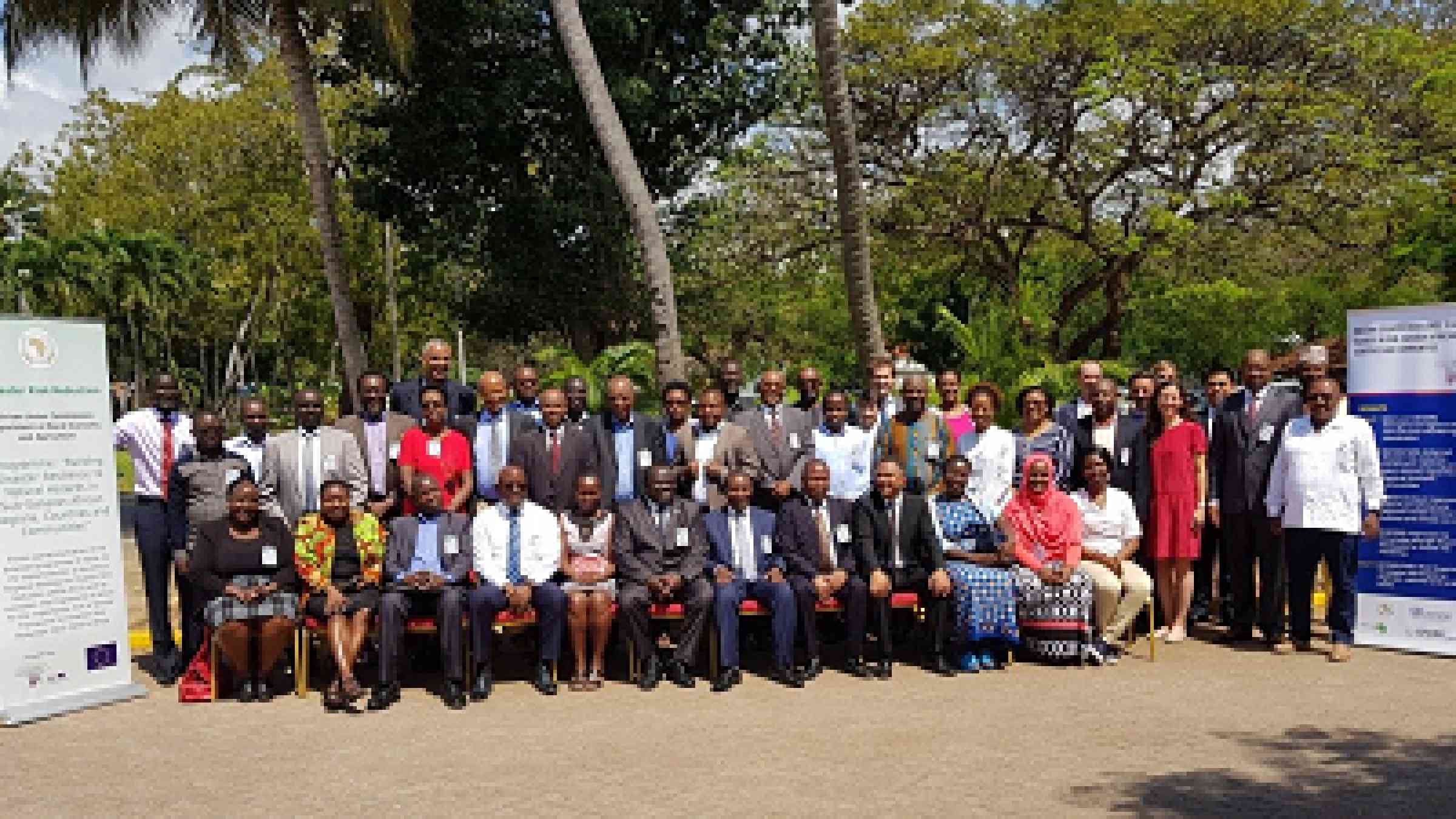
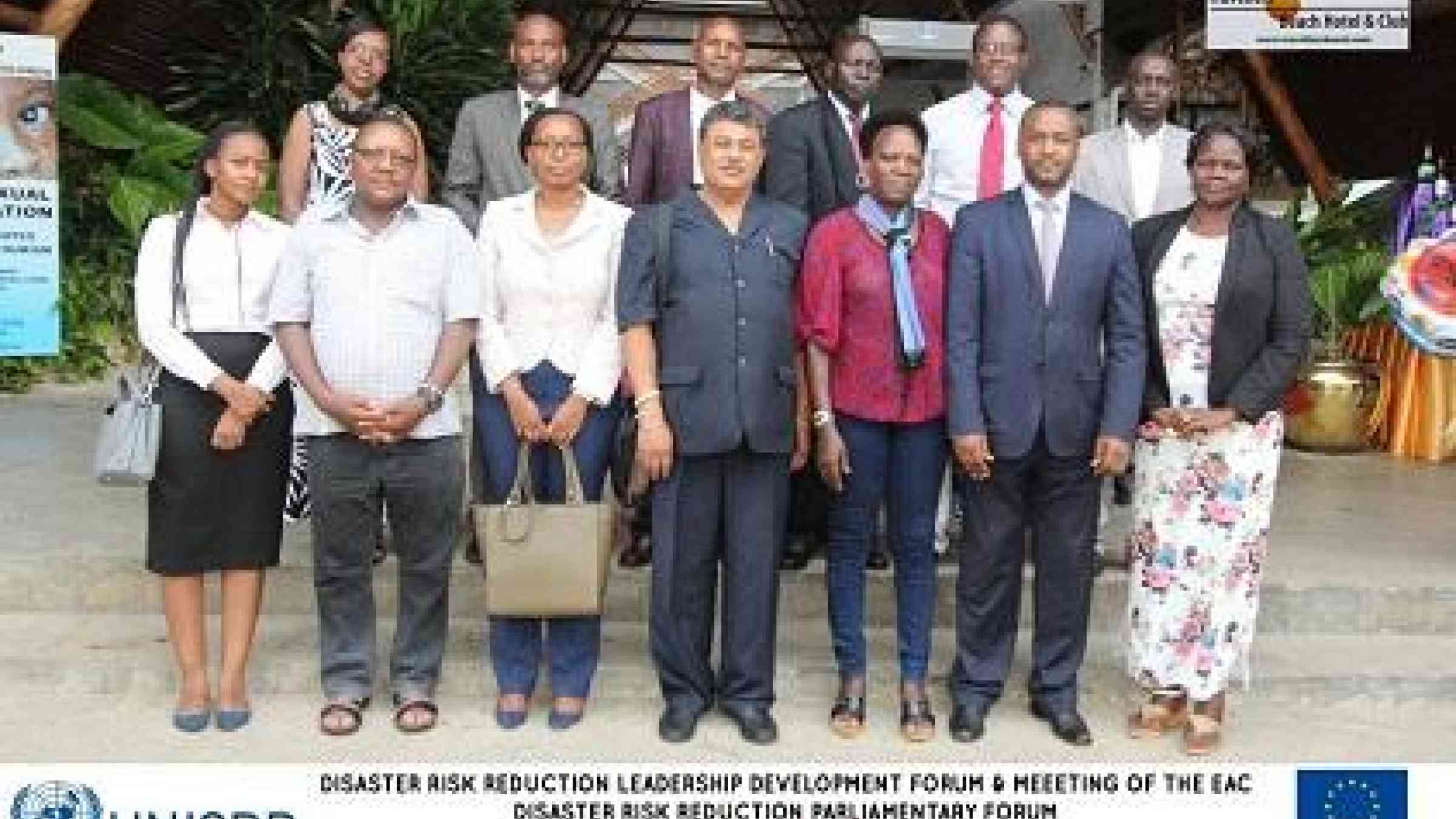
Participants at the East African Community (EAC) Parliamentarian Forum on disaster risk reduction have pledged to step up the region's efforts to curb hazard impacts (Photo: UNISDR)
Update

Members of parliament from the six-nation East African Community have vowed to step up a drive to implement the Sendai Framework for Disaster Risk Reduction in their region.

United Nations Office for Disaster Risk Reduction - Regional Office for Africa
An aerial view of Praia, Cabo Verde (Photo: UNISDR)
Update

The island nation of Cabo Verde and landlocked Swaziland have joined 26 other countries in Africa that are implementing the Sendai Framework for Disaster Risk Reduction, a 15-year global agreement which seeks to save lives, reduce disaster losses and improve management of disaster risk by enhancing risk knowledge.

United Nations Office for Disaster Risk Reduction - Regional Office for Africa
Rescuers work at the scene of the rubbish dump landslide in Addis Ababa (Photo: AP/Mulugeta Ayene)
Update

Rising disasters in Africa’s cities and their links with poverty and rapid, unplanned urbanisation are ever more apparent from tragedies such as the recent rubbish dump landslide in Addis Ababa, which killed at least 113 people.

United Nations Office for Disaster Risk Reduction - Regional Office for Africa
Drought in Ethiopia has led to successive failed harvests and widespread livestock deaths in some areas (Photo: WFP/Melese Awoke)
Update

Already grappling with an extended dry spell, countries in Greater Horn of Africa are bracing for an even deeper drought, with the approach of the traditional March to May rainy season offering little cause for comfort.

United Nations Office for Disaster Risk Reduction - Regional Office for Africa

You might also find these helpful

Cover- Shutterstock main report
Publications
We produce a range of publications by collecting and analysing risk data through a range of tools, knowledge products, and mobilising like-minded partners.

Cheerful young black lady leading international group of protestors
Campaigns
Our communications and advocacy campaigns call for taking action today to protect people and prevent disasters from happening.
Media Centre Thumb
Media centre
Access to a range of multimedia resources related to disaster risk reduction, including news releases, photos, videos, and other materials.

WIN DRR Leadership Awards
DRR Awards
These awards not only celebrate exemplary contributions but also encourage efforts to build more resilient societies.