Stop Disasters for teachers
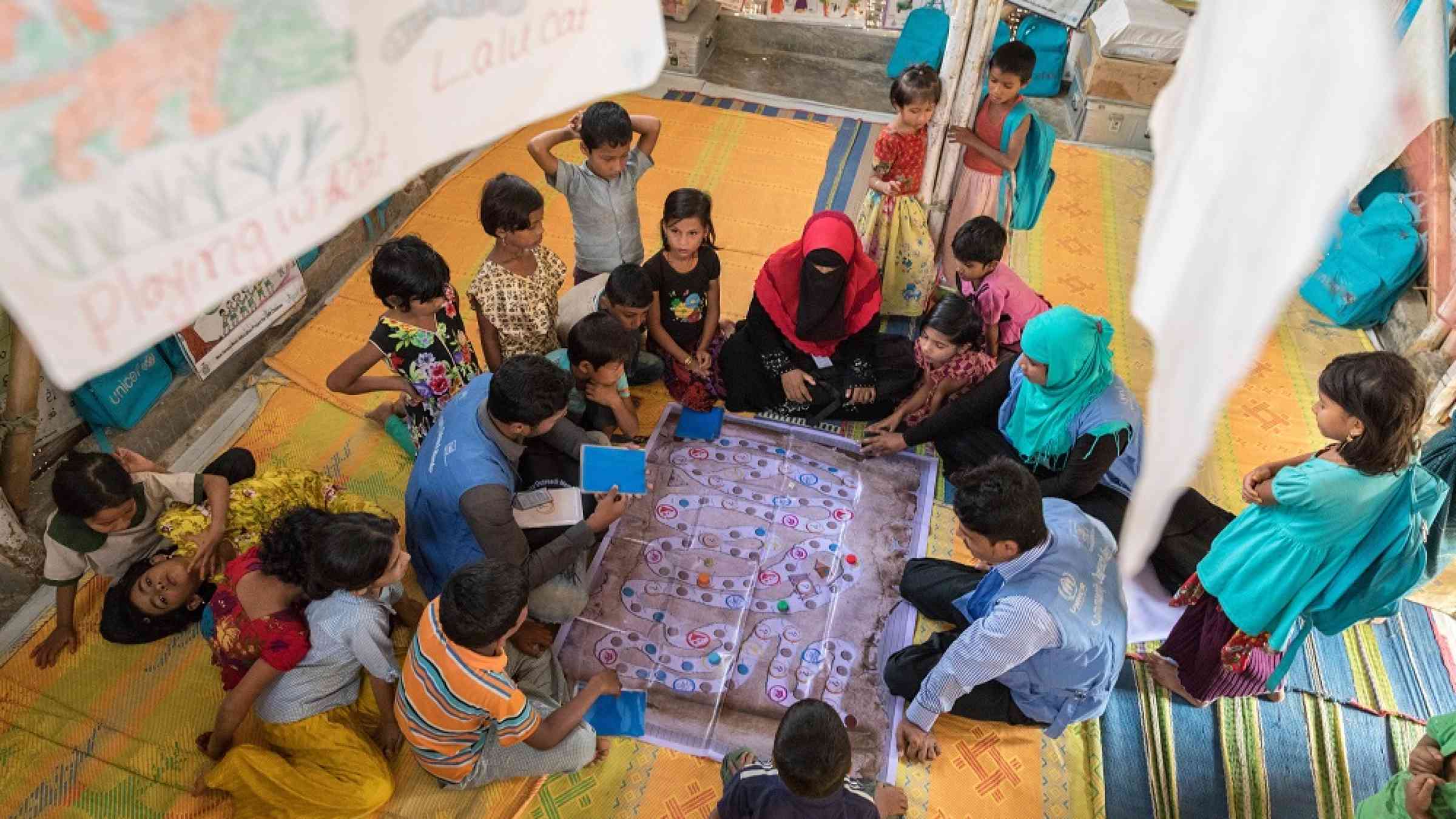
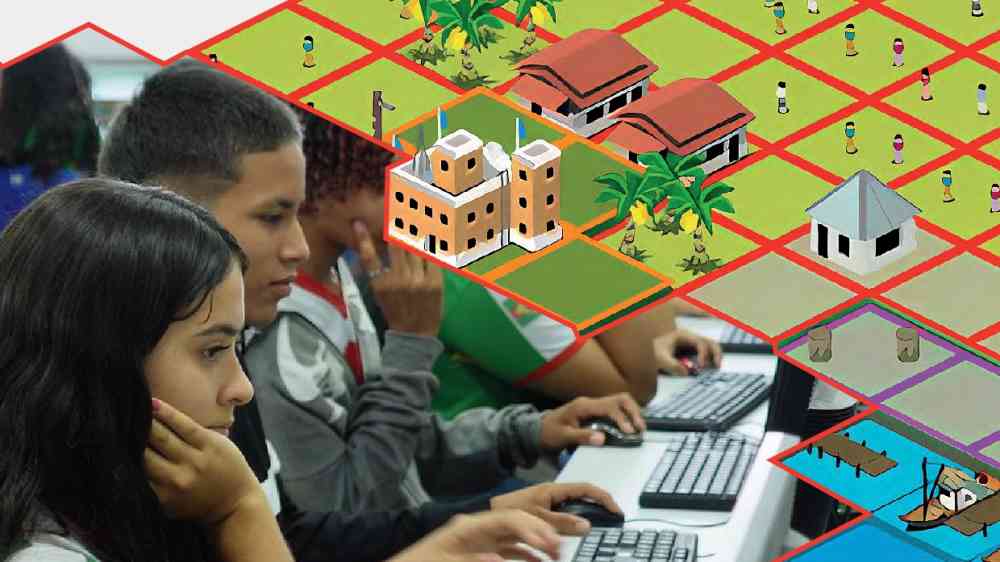
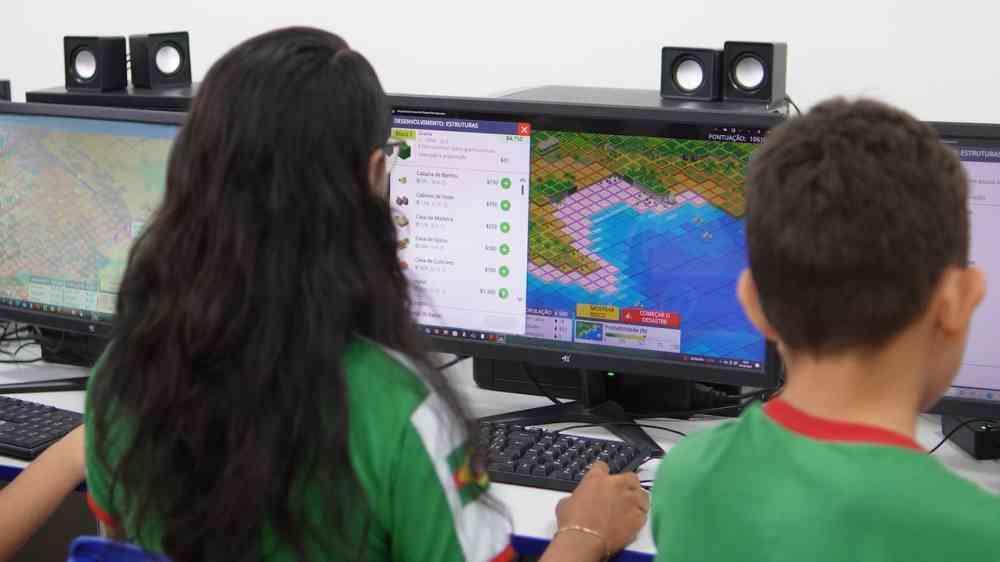
As educators, the Stop Disasters game provides a useful tool to empower children in preparedness and resilience. By having the opportunity to prepare a community, mitigating against hazards, and reduce disaster risk, children not only learn - but learn through playing and fun.
The game, however, is only the beginning. Provided below are relevant information and resources to embed disaster risk reduction (DRR) in the classroom.
Why educate on hazards?
Children and youth under age 30 currently make up more than half the world’s population. They are the ones who will benefit most from reducing the risk and impact of disasters, curtailing climate chaos and achieving the global Sustainable Development Goals (SDGs). Their contributions are already making a difference through more inclusive DRR and resilience-building policies, better prepared households, healthier children and youth and safer communities.
However more can, and must, be done to support and engage children and youth around the world in DRR.
Engaging with all children and youth as key stakeholders and contributors in turbulent times is complex, but vital. If we teach them from an early age about the risks posed by natural hazards, children will have a better chance to save their lives - and the lives of others - during disasters. This can be seen first-hand through the story of 10-year-old Tilly Smith who saved over 100 lives in Phuket, Thailand, during the 2004 Indian Ocean Tsunami - all because she had been taught the warning signs of a tsunami.
Moreover, children are the future architects, mayors, doctors, and parents of the world of tomorrow. If they know what to do to reduce the impact of disasters, they will create a safer world.
The Stop Disasters teacher's pack
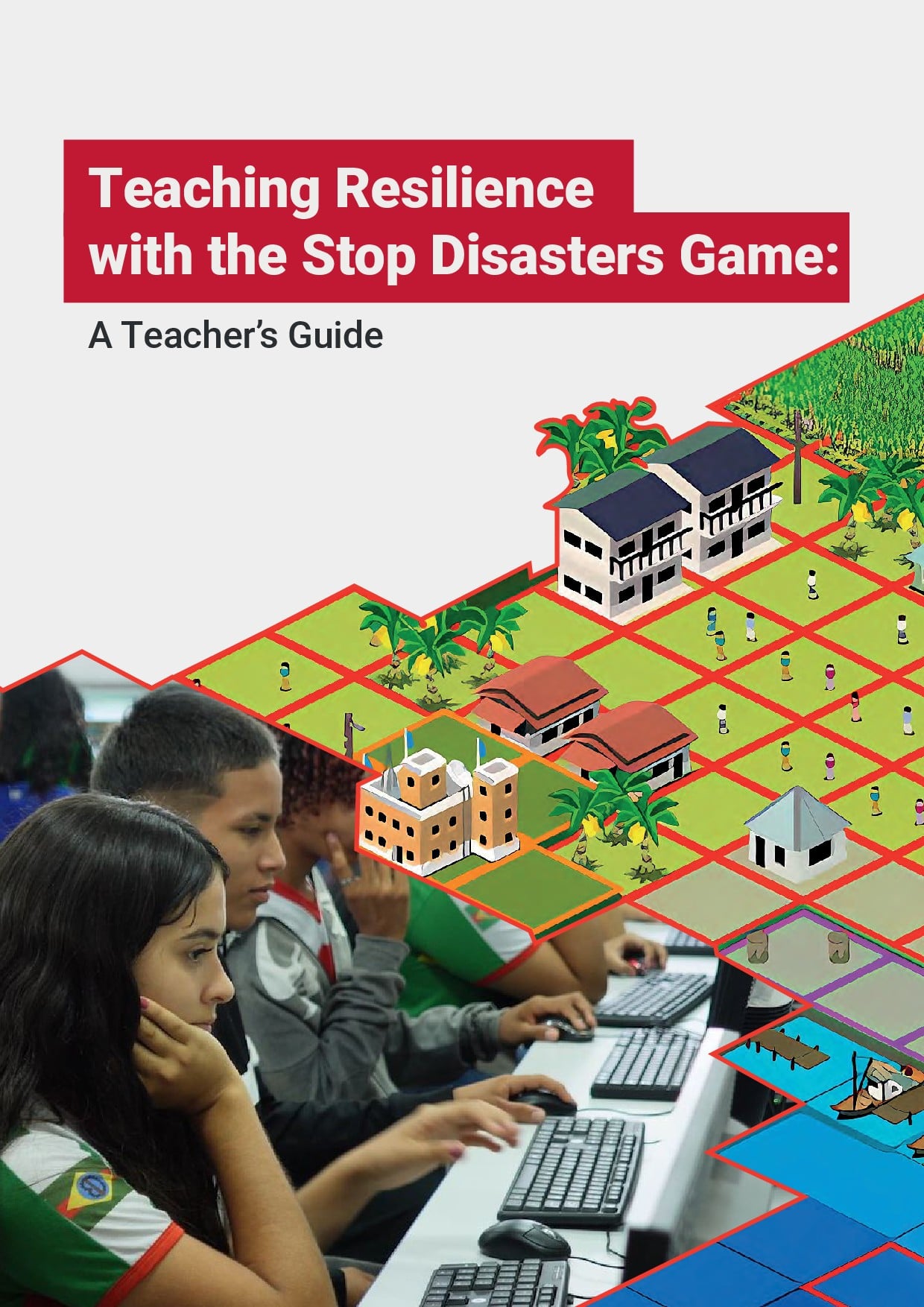
To help you incorporate the game into your classroom today, explore UNDRR's Teacher's Pack for Stop Disasters. Whether in a geography, politics, or science class, these resources show the educational potential of Stop Disasters for any classroom – and any student.
This pack includes five core elements:
- a classroom-ready learning sequence,
- a short tutorial explaining how to play the game,
- hazard factsheets to deepen understanding and support discussion,
- an expanded glossary of related terms,
- additional classroom posters are available to download and print.
Stop Disasters lesson plans
Find PreventionWeb's bank of existing lesson plans and supporting material below to incorporate Stop Disasters into your classroom today!
Available in English, disponible en français
Share your plans and activities
We invite teachers and community leaders to share their lesson plans and activities that utilize the Stop Disasters game as part of their DRR education efforts. Please note that submissions can only be made by an established institution or a recognised organization.
Share your experience
We are also eager to receive information or links to articles about successful DRR events for youth and children that you have organized in the past that the Stop Disasters game has played a part in. Start a conversation with us at the link below!
Share your feedback
Have you already played the game? Help us know a bit more about your game experience and how we can make it better by filling out the survey at the link below. We are always looking to improve the game, and your feedback can help guide our updates.
Disaster impacts on education
Disasters have specifically affected the education sector, causing significant disruption to children's learning.
Since 2020, climatic shocks have disrupted education for around 62 million crisis-affected children and adolescents in 27 countries; a figure likely to rise with the intensity and frequency of extreme weather events.
Education Cannot Wait, 2024
The average storm in India can cause a 2.4 percentage point increase in educational delays, a 2 percentage point drop in post-secondary education attainment.
Asian Development Bank, 2024
Heatwaves were the predominant climate hazard shuttering schools in 2024, with over 118 million students affected in April alone, exacerbating an existing learning crisis.
UNICEF, 2025
The latest disaster loss data
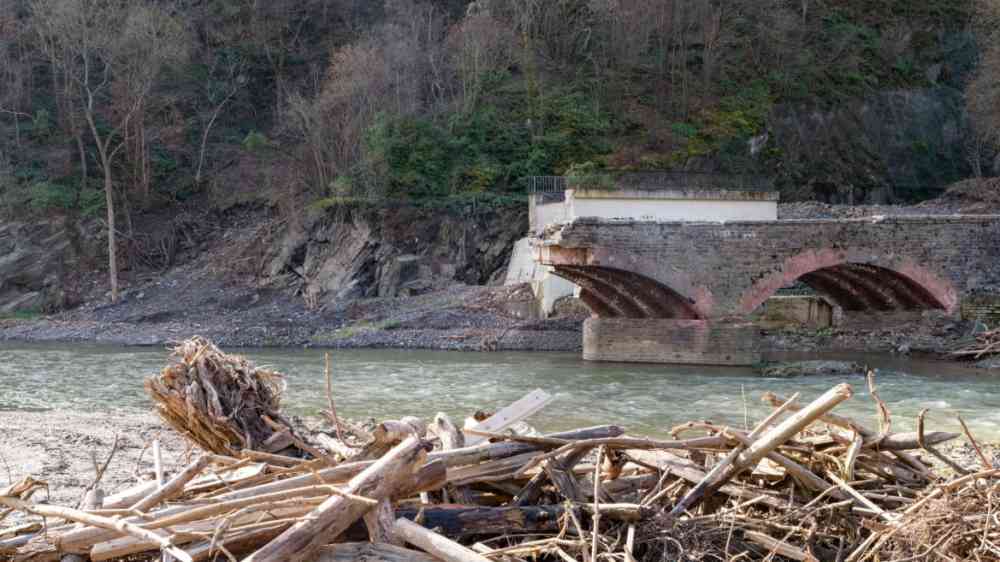
See the cost of disasters below:
Content on education and school safety

The tallest tsunami wave ever wasn't the deadliest
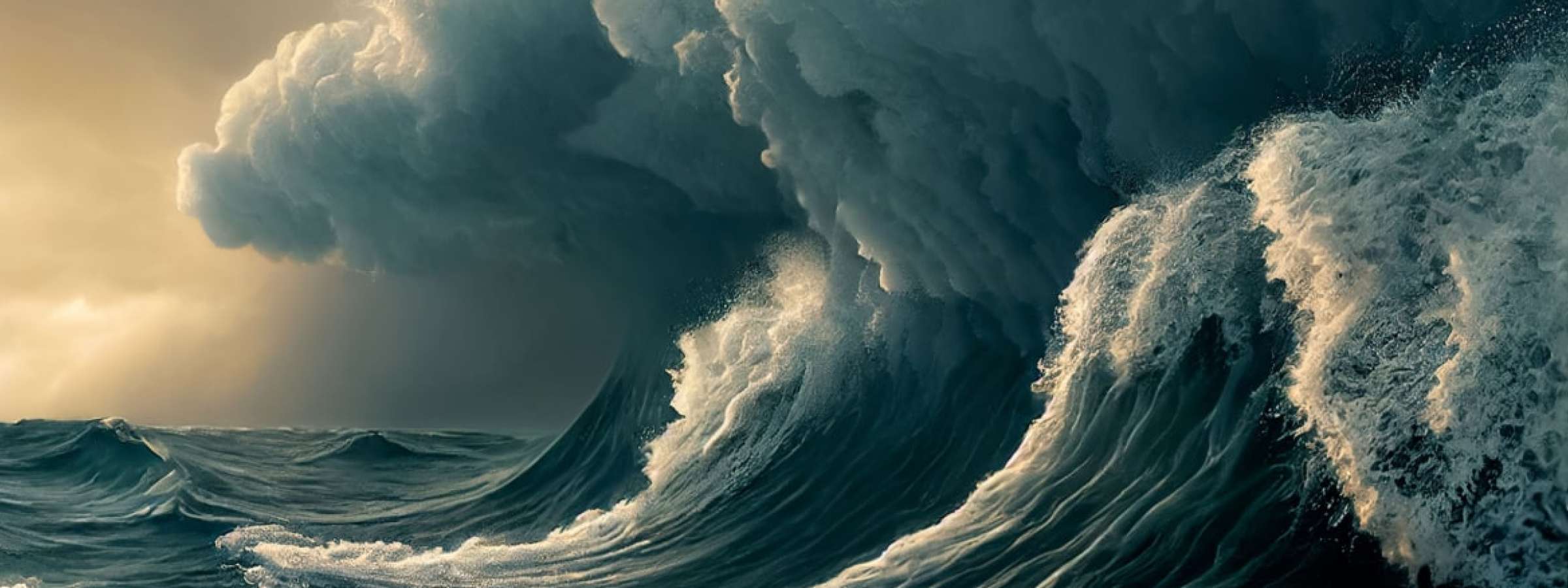
Tsunamis are only devastating if people and their livelihoods get in the way, as suggested by the largest tsunami ever recorded which only killed five people.
In fact, the largest tsunami wave ever recorded broke on a cool July night in 1958 and only claimed five lives. A 1,720 foot tsunami towered over Lituya Bay, a quiet fjord in Alaska, after an earthquake rumbled 13 miles away.
This massive tremor triggered around 30.6 million cubic meters of rock to fall 3,000 feet into the Lituya Glacier, causing a torrent of displaced water to rear up and form a monstrous wave which, miraculously, only killed five people.
From natural hazards to disaster risk
Earthquakes, floods, wildfires, and cyclones are natural hazards.
Disasters occur when people, infrastructure, and systems are exposed and vulnerable.
STOP DISASTERS helps break the cycle of disaster → response → recovery → repeat by shifting the focus to risk reduction before disaster strikes. Players learn that careful planning, coordinated action, and long-term investment can reduce vulnerability and limit the need for costly emergency response.
This reinforces a key principle of disaster risk reduction:
there is no such thing as a “natural disaster.”
Understanding this shift is essential — but learning how to apply it requires more than theory alone.
How a schoolgirl outsmarted a tsunami: The story of Tilly Smith
In December 2004, the Indian Ocean Tsunami became one of the deadliest disasters of the 21st century, killing more than 228,000 people across 14 countries. But on Mai Khao Beach in Phuket, Thailand, every life was saved — thanks to the quick thinking of a 10-year-old schoolgirl, Tilly Smith.
Just weeks before, Tilly had learned in a geography class how to recognize the warning signs of a tsunami. When she spotted the frothy, receding waves, she raised the alarm. Her family and more than 100 people evacuated to safety, moments before the tsunami struck.
Tilly’s story is proof that disaster risk education saves lives. Every child deserves to learn how to recognise hazards and respond to danger.
Educational resources by hazard
Tsunami
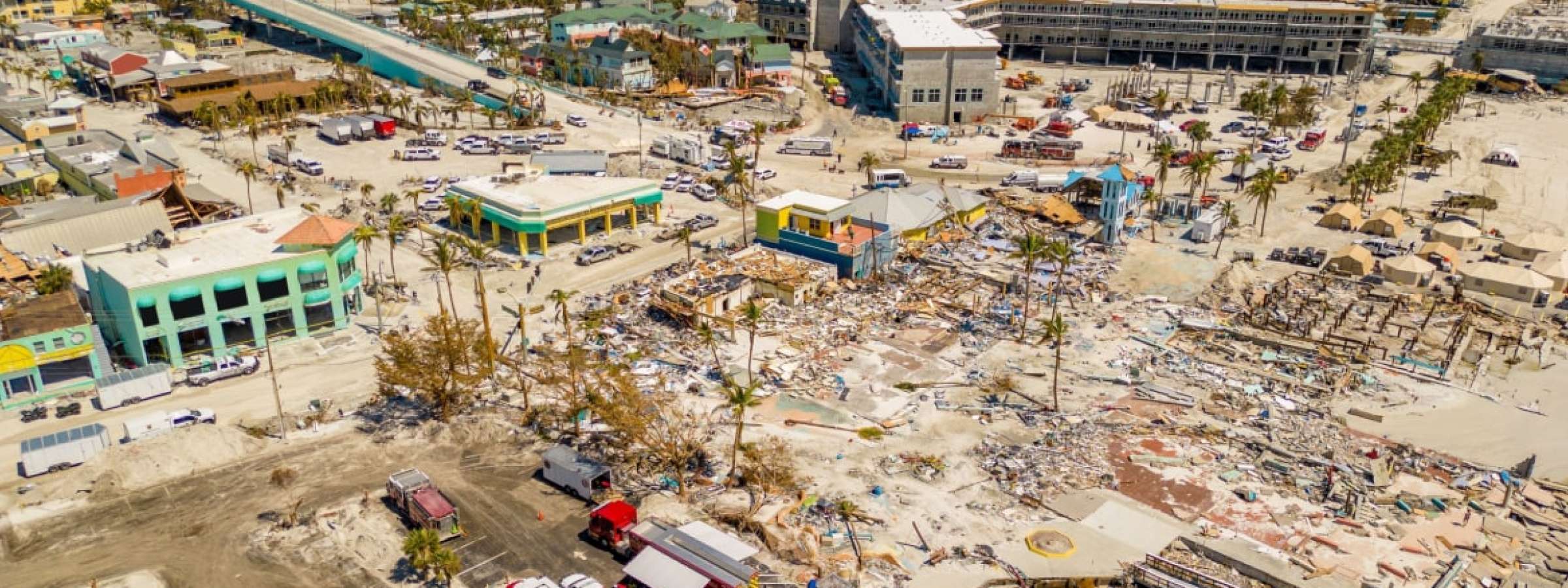
Hurricanes
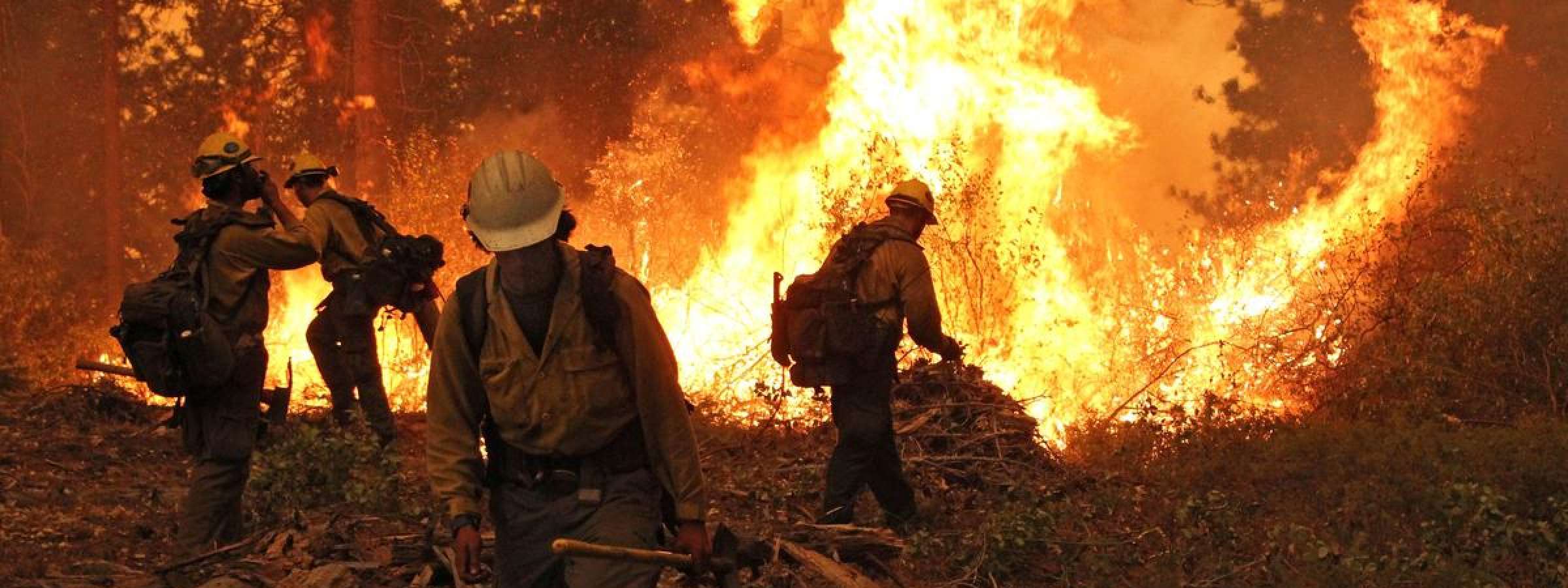
Wildfires
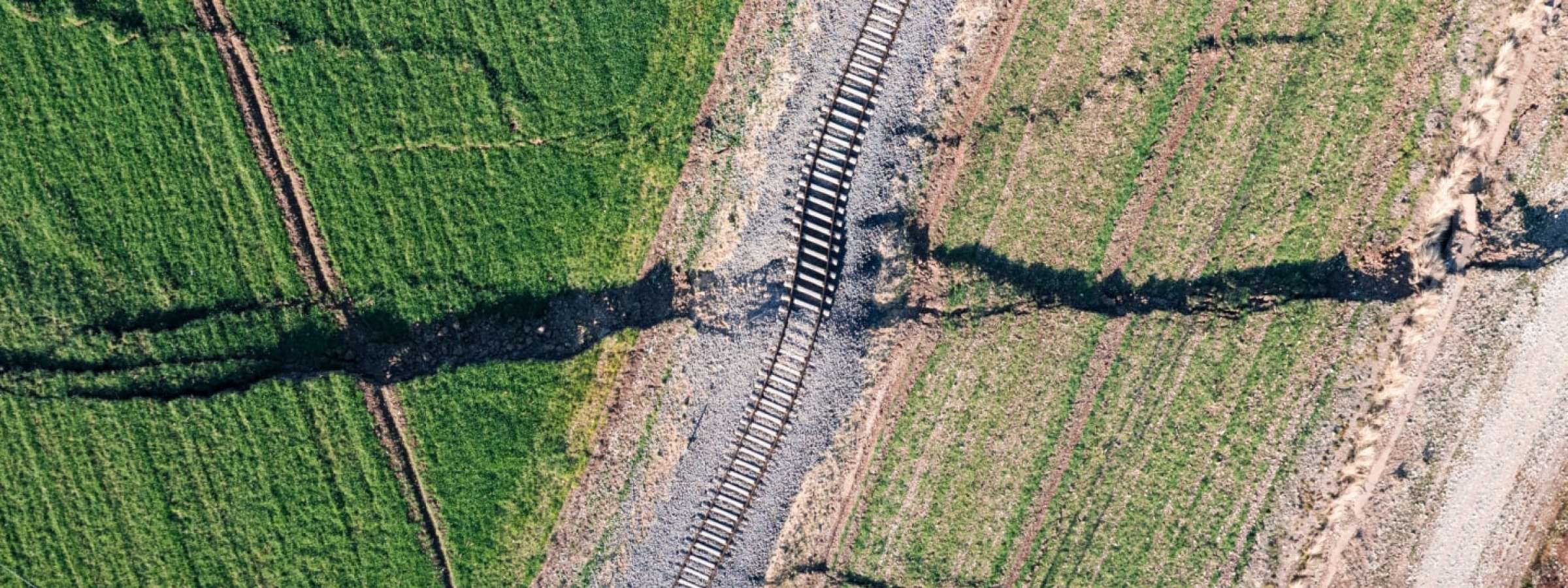
Earthquakes
Floods/storms

Other hazards
Videos on DRR in education
Italy is using virtual reality experiences to teach children how to react in emergencies
In Guatemala, school children are leading preparedness to volcanic eruptions
Japanese tsunami memorials are making sure lessons are passed on to the next generation
By combining indigenous knowledge with modern technology, education in Bolivia survives wildfires
Related content