
Niamey charts a path towards improved urban resilience
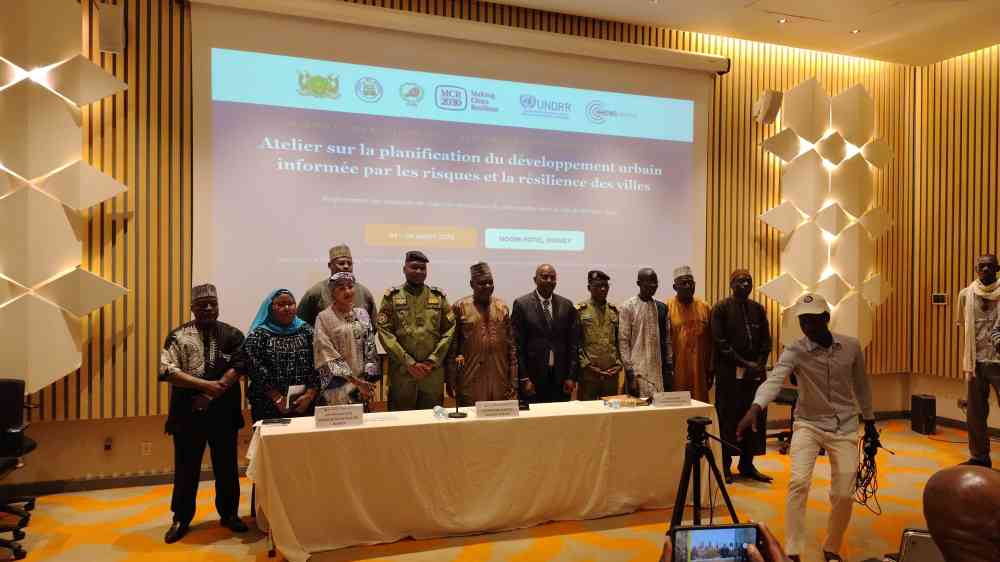
Niamey faces multiple interconnected hazards, including riverine and flash floods, drought, extreme heat, and desertification. Floods and droughts remain among the country's most significant disaster risks, with increasing climate variability intensifying their frequency and impact. For Niamey, flood risk is particularly acute, as the capital city lies along the Niger River, making it susceptible to both river overflow and urban flooding. Every year, an estimated 200,000 residents of Niamey (6.7% of the city's population) are exposed to flooding.
As Niamey seeks to better understand and manage its growing disaster risks, the City of Niamey and the United Nations Office for Disaster Risk Reduction (UNDRR) organized a capacity-building assessment on disaster risk reduction (DRR) from 8 to 10 August 2026, as part of the Making Cities Resilient 2030 (MCR2030) initiative, financed under the CREWS Niger project.
Forty participants from local and national institutions, the United Nations, and civil society assessed the city's resilience using the Disaster Resilience Scorecard for Cities , a MCR2030 diagnostic tool built around the Ten Essentials for Making Cities Resilient . The scorecard enables local governments to evaluate their strengths and gaps across key dimensions of resilience, helping stakeholders identify priorities and develop a shared roadmap for reducing risk over time.
The assessment determined that Niamey is currently at Stage B of the MCR2030 Resilience Roadmap, at which cities "plan better.' At this stage, cities work to strengthen the alignment between local, national and regional strategies while developing the policies, systems and institutional arrangements needed to manage risk more effectively. The assessment also identified key actions required for Niamey to advance to Stage C, where cities "implement better" by moving from planning to implementing resilience and risk measures. Niamey's next steps are the development of a city disaster risk reduction and resilience strategy, and official endorsement of the strategy by a governing body.
Participants proposed priority actions and agreed on timelines and responsible institutions for implementation. These actions include updating the city's development plan, creating a protected budget line for disaster risk reduction, and setting up a regional branch of the Operational Center for Monitoring, Warning, and Crisis Management (COVACC) in Niamey.
"This event is an opportunity to go beyond emergency response by integrating disaster risk reduction into urban planning and development," said Abdoul Kader Moussa Garba, Deputy Secretary General at the Ministry of the Interior.
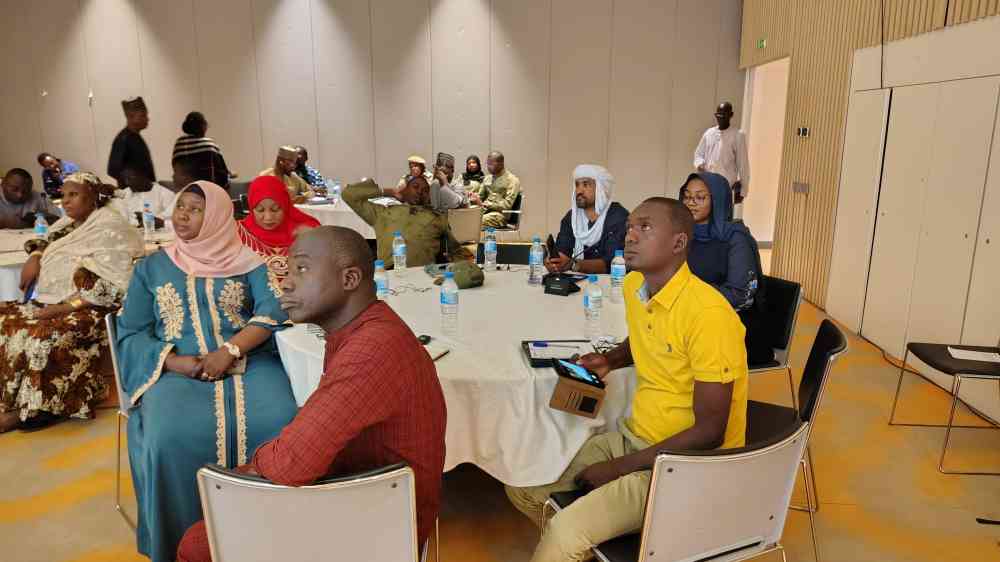
For Maharouf Oyolala, Head of the United Nations Resident Coordinator Office in Niger, MCR2030 is an opportunity to strengthen collaboration between national and local institutions:
"Through MCR2030, Niger has the opportunity to strengthen collaboration between national and local institutions, improve the integration of disaster risk reduction into development planning, and empower communities and other stakeholders to contribute to building safer, more resilient cities."
The challenge now is to transform these priorities into lasting investments and concrete action. Niamey already has strong foundations on which to build, including the regional crisis management committee that is activated ahead of every rainy season, a large-scale reforestation campaign that has planted more than 100,000 trees, and an active network of community-based organizations working across vulnerable neighbourhoods.
The next phase of the MCR2030 journey offers an opportunity to connect and strengthen these existing efforts. By building synergies with major initiatives such as the World Bank's Integrated Urban Development and Multi-Sectoral Resilience Project for Niger (PIDUREM) and CREWS Niger, the city can move beyond managing disasters when they occur and towards anticipating risk before it becomes a crisis.