Extreme heat resilience
As global temperatures rise and heatwaves become longer, more frequent and severe, the need for collective heat action and coordinated governance has never been clearer.
Preventing and reducing heat risk — and managing its cascading impacts — is no longer a choice, but a question of survival for many people, economies, and the ecosystems upon which they depend.
Extreme heat is not a seasonal inconvenience — it is a planetary threat that endangers all life, disrupts and disables functioning societies, and causes irreversible ecological damage.
In this video, hear firsthand accounts from Barcarena, Brazil, about the real-life impacts of rising temperatures on health, agriculture, children and persons with disability.
Facts and figures on extreme heat
The number of heat-related deaths has surged by 23 % since the 1990s, reaching 546,000 in 2024.
(The Lancet Countdown, 2025)
2.4 billion workers — nearly two-thirds of the global labour force — face heat-related health risks.
(ILO, 2024)
171 million students were affected by school disruptions due to heatwaves in 2024 — the most significant climate hazard for education.
(UNICEF, 2024)
20 % of global electricity is consumed by cooling.
(UNEP, 2023)
US $2.4 trillion in projected annual productivity and economic losses by 2030.
(ILO, 2019)
127 million more people expected to face food insecurity due to heat-driven harvest failures.
(Romanello et al., 2023)
By 2100, annual costs to Europe’s transport sector from heat could reach US $12.2 billion.
(World Bank, 2025)
Heat risk is unequal
The ability to avoid, endure, or recover from heat impacts depends heavily on income, housing quality, job type, health, and access to cooling.
Extreme heat does not affect everyone equally:
- Outdoor and informal workers, including those in agriculture, construction, and delivery services, face the highest exposure and often lack legal protections or employer safeguards.
- Women, children, the elderly, and persons with disabilities are disproportionately affected due to physiological vulnerability and social barriers to accessing care or safe spaces.
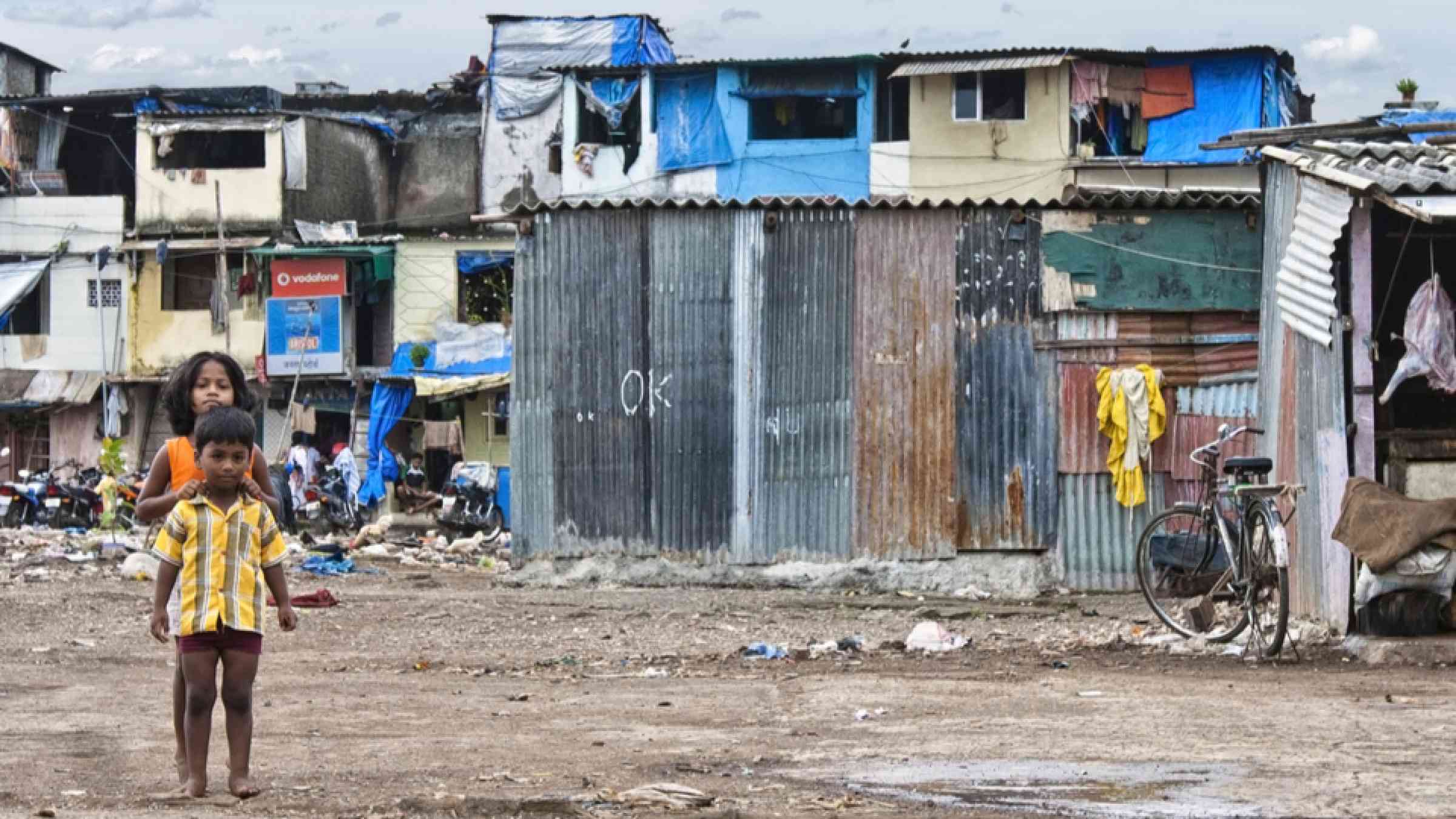
- Low-income and marginalized communities are more likely to live in dense urban areas with little green space, poor ventilation, and unreliable power for cooling.
- In some regions, migrants and displaced populations work in high-risk occupations without adequate shelter or social protection.
The result is a cycle of climate inequality, where those least responsible for emissions and least equipped to adapt bear the greatest costs.
A global response to a systemic risk
Extreme heat risk cuts across sectors, timeframes, and geographies.
Managing it requires integrated, long-term solutions that confront root causes — poverty, inequality, and ecosystem degradation — while reinforcing governance systems to plan, finance, and deliver heat resilience.
Many countries have introduced heat action plans, but these are often reactive, focusing on short-term emergency response rather than systemic, preventive governance. The UN Secretary-General’s Call to Action on Extreme Heat emphasizes that the time to act is now.
Tackling extreme heat therefore demands inclusive, equity-centred governance that prioritizes at-risk populations and ecosystems through targeted investments, prevention and mitigation measures, accessible early warning systems, and locally led adaptation.
What UNDRR does
- Strengthening integrated extreme heat risk governance
Strengthening integrated extreme heat risk governance
In collaboration with the World Meteorological Organization, the Global Heat Health Information Network (GHHIN), Duke University, and experts from national governments, international organizations, multilateral development banks (MDBs), academia and civil society partners, UNDRR co-developed the Extreme Heat Risk Governance Framework and Toolkit in response to the request of Member States.
The framework and toolkit provides practical guidance and tools to help decision makers measure, understand, strengthen, and sustain extreme heat risk governance. It supports integrated planning, investment, and action by governments, financiers, and stakeholders across sectors and scales.
Pilot implementation in 2026
The framework and toolkit will be piloted in national and sub-national contexts in 2026, including in Barbados, Senegal, and Cambodia to validate its approach, inform national and local applications, and through learning and feedback support iterative improvement. Lessons from these pilots will guide global scale-up through the Supporting Extreme Heat Risk Governance initiative supported by a number of governments, Multi-lateral Development Banks and organizations.
- The Disaster Resilience Scorecard for Cities – Addendum on Extreme Heat Risk Management
The Disaster Resilience Scorecard for Cities – Addendum on Extreme Heat Risk Management
The Extreme Heat Risk Management Scorecard, developed as an addendum to the Disaster Resilience Scorecard for Cities, aims to support sub-national and local governments in assessing and strengthening their heat risk management efforts. It draws on global guidance and good practices, including the MCR2030 Urban Heat Risk Management Resource Package and Flames of Change: Innovating heat and wildfire governance for inclusive communities, along with a growing body of research, case studies and tools designed to support cities in developing effective and equitable responses to extreme heat.
This Extreme Heat Risk Management Scorecard tool is designed to help local government officials, planners and stakeholders to identify gaps, set priorities, and track progress in building urban heat resilience. It focuses on practical actions that reduce heat exposure, protect people, and integrate heat risk into long-term planning and investment decisions.
The scorecard is structured around the Ten Essentials for Making Cities Resilient, covering key areas such as governance, risk assessment, financial planning, urban development, infrastructure resilience, ecosystems, social inclusion, emergency preparedness, and recovery planning. It incorporates feedback and comments from peer reviews and a pilot conducted with local authorities, national governments, and partner institutions during a capacity building workshop organized by UNDRR Global Education and Training Institute (GETI) in October 2025.
The scorecard is structured around the Ten Essentials for Making Cities Resilient, covering key areas such as governance, risk assessment, financial planning, urban development, infrastructure resilience, ecosystems, social inclusion, emergency preparedness, and recovery planning. It incorporates feedback and comments from peer reviews and a pilot conducted with local authorities, national governments, and partner institutions during a capacity building workshop organized by UNDRR Global Education and Training Institute (GETI) in October 2025.