
Chronic heat: impacts and solutions from South-East Asia and East Africa
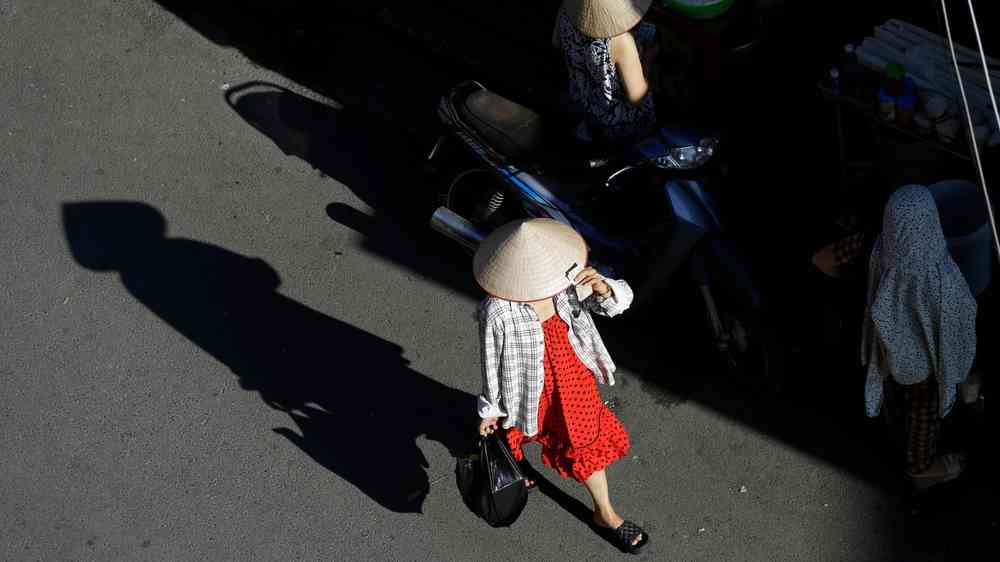
While populations in continental regions are predominantly exposed to seasonal cumulative excess heat, many populations in tropical and subtropical climates are chronically exposed to high temperatures and high humidity.
As climate change driving up global temperatures, chronic heat will become increasingly unbearable for already exposed populations and regions, while also posing a growing threat to those that have historically been less affected. Unlike acute heatwaves, chronic heat refers to sustained periods of elevated temperatures that can silently undermine health and wellbeing of populations and ecosystem as well as critical sectors such as transport, energy, agriculture and infrastructure.
An additional challenge is when it’s hot, but not hot enough to trigger extreme heat warnings. In Adelaide, Australia for example, long, low-intensity heatwaves throughout the summer of 2024-25 were not enough to reach a threshold that triggered protective action. Nonetheless, it was hot enough to exhaust people mentally and physically, especially people that are highly exposed because they are outdoor workers, live in inadequate housing, don’t have access to cooling, or can’t afford to run it.
Impacts in East Africa
A growing urban heat crisis is placing residents of informal settlements at particular risk in countries such as Kenya, the United Republic of Tanzania and Zimbabwe. Although the vulnerability of cities including Nairobi, Dar es Salaam and Kariba is increasingly recognised, major gaps in data coverage continue to mask the extent of exposure to extreme heat and humidity inside informal housing. Research in settlements such as Mathare in Nairobi and Kombo in Dar es Salaam shows that indoor temperatures are often higher than outdoor conditions, leading to chronic heat stress.
Nearly three-quarters of residents report experiencing heat-related health problems, including heat exhaustion, dehydration and skin conditions. Infants, older persons, and people living with chronic illnesses or disabilities face heightened risks, compounded by limited access to affordable clean water. Studies also highlight the difficult choices households make to cope with extreme heat, with some families spending around one-sixth of their income on recurring cooling and water-related costs.
Coping options remain limited. Many households rely on basic measures such as fans, drinking more water and wearing lighter clothing. Awareness of heat risks and potential adaptation measures appears low, while financial constraints, lack of technical skills and insecure land tenure discourage investments to make homes safer and more resilient to rising temperatures.
Impacts in South-East Asia
Southeast Asia and other tropical regions face a distinct heat challenge driven by the combination of high temperatures, high humidity and prolonged exposure. In many tropical areas, extreme heat conditions persist for at least three months each year (maximum daily heat index greater than 32.2°C/90°F), even though they experience relatively few heatwaves as traditionally defined. This highlights an important distinction between short-term heatwave events and chronic heat, characterised by sustained periods of elevated temperatures and humidity.
The impacts of chronic heat are far-reaching and cumulative, affecting health, daily activities, livelihoods and productivity. Long-term exposure can lead to persistent heat stress and exhaustion, worsen cardiovascular and respiratory conditions, increase mental health challenges and contribute to the development of chronic kidney disease.
The burden falls disproportionately on vulnerable groups, particularly people living in poor-quality housing, low-income households, individuals with pre-existing health conditions and workers exposed to extreme temperatures. As these vulnerabilities often overlap, reducing the impacts of chronic heat requires long-term, systemic approaches rather than short-term emergency measures alone. Tackling the underlying drivers of vulnerability and supporting livelihoods can help communities strengthen their resilience and improve the effectiveness of heat adaptation and management efforts.
Systems lens
Building resilience to extreme heat requires a holistic approach that recognises the complex interactions between people, ecosystems, infrastructure, the built environment and the economy. Although heat-related impacts may initially affect individual sectors, risks are amplified by the interdependence of critical systems and the potential for compounding and cascading effects.
Extreme temperatures can damage roads and rail networks, disrupting transport and supply chains. Heat also places increasing strain on energy systems by affecting transmission infrastructure and cooling capacity at the same time that electricity demand rises, increasing the risk of power outages. Even when failures are not sudden or catastrophic, prolonged heat can gradually weaken the reliability, efficiency and resilience of essential services.
The consequences of these disruptions are often felt most acutely by vulnerable populations, while the broader economic and social costs continue to mount. If adaptation measures are not accelerated, losses linked to health impacts, declining labour productivity and rising cooling demands are expected to increase significantly in the coming decades.
Recommendations
Chronic heat's cumulative and sustained effects contribute to a significant total burden on health and society. Strategies recommended to understand and address these impacts include:
- Collaborate cross-sectorally to address the society-wide impacts of heat, bringing together disparate actors to work jointly.
- Assess health impacts of both acute and chronic heat in the local population, especially among vulnerable groups.
- Establish comprehensive, standardised health data to track heat-related impacts, ideally in real-time.
- Conduct year-round monitoring of heat anomalies, beyond pre-determined heat season extremes.
- Evaluate heat impacts in conjunction with other compounding hazards, such as wildfires, air pollution and other extreme weather events.
- Heat action plans should be expanded to include both response and long-term risk reduction efforts.
- Support affordable and incremental housing adaptation – enabling household- and settlement-level improvements.
- Expand and maintain nature-based cooling measures, including shaded green spaces and tree planting.
- Drive public awareness and community action by launching advocacy campaigns and behavioural change initiatives to promote heat resilience at all levels.
Chronic heat differs from acute heat primarily in timescale and the response requirements: chronic heat requires sustained, long-term planning, while acute heat also demands immediate action. Effective management encompasses climate-resilient cities, sustainable farming, better water systems, and stronger regional cooperation to support communities in hotter conditions.