Bangladesh: Advancing Early Warnings for All
On this page:
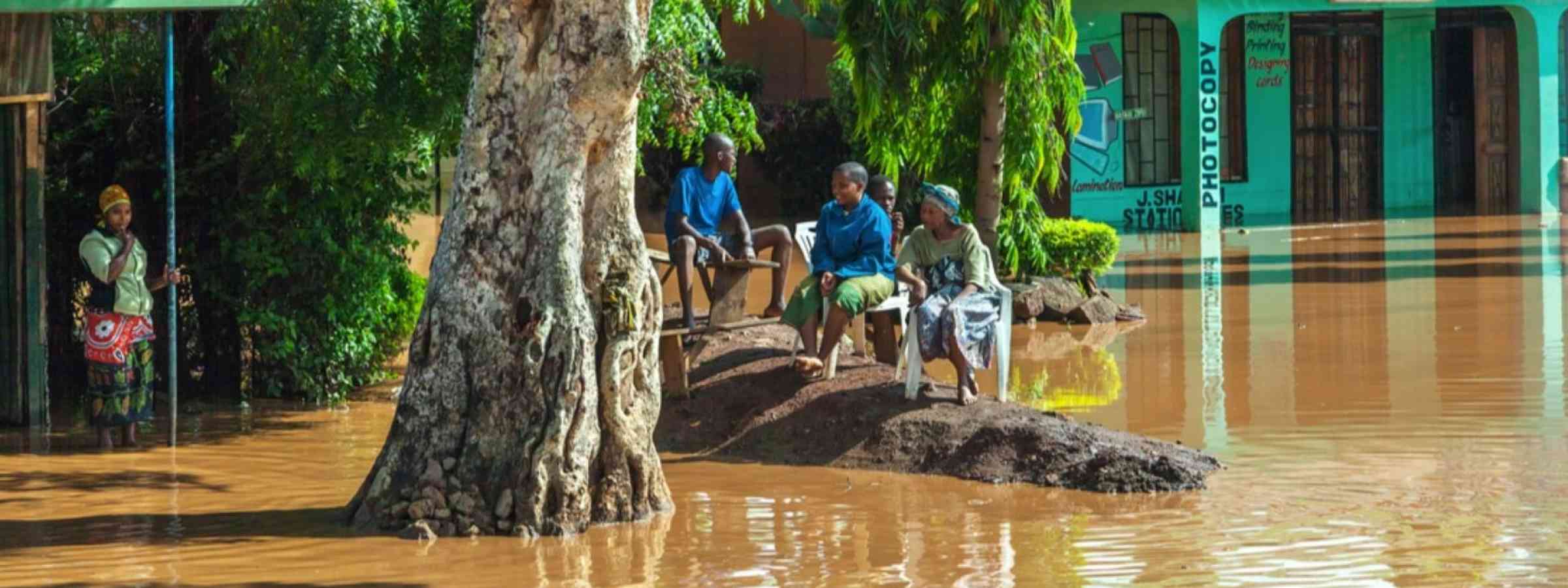
Liberia faces recurring floods, storms, and other hazards that threaten lives and livelihoods. In recent years, the country has intensified efforts to strengthen disaster preparedness and early warning systems through national leadership, regional collaboration, and community engagement. The Early Warnings for All (EW4All) initiative is at the heart of these efforts, supporting Liberia’s goal of protecting every person from disasters through timely, inclusive, and coordinated action.
Strengthening national frameworks
Liberia became the first country in West Africa to launch the Early Warnings for All (EW4All) initiative, during a high-level event held in Monrovia on 22–23 July 2024. The launch represented a major milestone in national efforts to ensure safety and resilience in the face of growing disaster risks. At the launch, an intersectional approach was emphasised as essential to ensuring early warning systems are inclusive, responsive, and equitable.
At the event, the National Disaster Management Agency (NDMA), highlighted the importance of inclusion and coordination:
Disasters and climate change affect people differently based on the level of exposure and different vulnerability drivers, including gender, age, disability, etc. Therefore, an intersectional approach is required to ensure that early warning services are inclusive, responsive, and equitable.
WMO is supporting the Liberia Meteorological Service (LMS) and the Liberia Hydrological Service (LHS) to enhance their observation network, data transmission capacity, digital infrastructure, and service delivery. This includes assessments of meteorological and hydrological stations, procurement of essential spare parts, and targeted actions to restore and improve data flow nationally and globally. WMO has also supported the development of new LMS and LHS websites, and delivered extensive capacity strengthening on international observing standards, data management and exchange systems, tools for producing and sharing climate information, and the use of the Common Alerting Protocol (CAP) for issuing alerts, enabling the agencies to deliver timely, accessible, and user-focused weather, water, and climate services.
UNDRR has supported Liberia in strengthening the use of data and inclusion in early warning systems. In 2024, Liberia participated UNDRR-led workshops introducing two key global tools:
- The Handbook on the Use of Risk Knowledge for Multi-Hazard Early Warning Systems, which guides practitioners on incorporating hazard, exposure, and vulnerability data into every stage of early warning, from forecasting and communication to setting triggers for anticipatory action; and
- The Inclusive Early Warning and Early Action Checklist and Implementation Guide, developed under the Climate Risk and Early Warning Systems (CREWS) Pacific Initiative, which supports countries in making all components of early warning, governance, risk knowledge, monitoring, communication, and preparedness, gender-responsive and disability-inclusive.
ITU is complementing these efforts by strengthening digital readiness and national capacity for last-mile alerting. Working closely with the National Disaster Management Agency, the Liberia Telecommunications Authority, and the Liberia Broadcasting System, ITU is supporting the delivery of timely alerts through trusted communication channels. Complementing WMO’s technical support on the CAP, ITU has launched targeted training for broadcasters to ensure warnings are rapidly translated into clear messages. At the same time, a diagnostic of Liberia’s information and communication technologies (ICT) and mobile ecosystem is guiding the expansion of mobile-based public warning systems and alignment between telecom operators, broadcasters, and emergency services. These efforts contribute to a more inclusive and resilient national early warning system under Liberia’s EW4All Roadmap.
These tools were contextualized for Liberia through national workshops, helping to ensure that early warning systems are both data-driven and people-centred, gender-responsive, and disability-inclusive. Liberia’s progress was further supported through the Early Warnings for All multi-stakeholder accelerator funded by the Swedish International Development Cooperation Agency (Sida). The accelerator reinforced national coordination structures, supported the integration of inclusive risk knowledge tools, and helped advance the implementation of Liberia’s EW4All roadmap across all four pillars.
Strengthening regional collaboration
Liberia’s national progress is supported by growing regional cooperation to enhance early warning and anticipatory action across West Africa.
In 2022, the Economic Community of West African States (ECOWAS) established its Disaster Operations Centre in Abuja to strengthen coordination and information exchange across its 15 Member States. The Centre enhances regional capacity for multi-hazard monitoring and anticipatory action. It now operates as part of the African Multi-Hazard Early Warning and Early Action System (AMHEWAS), linking regional situation rooms in Addis Ababa, Niamey, and Nairobi to improve transboundary risk management across Africa.
In March 2025, ECOWAS collaborated with Liberia’s National Centre for the Coordination of Response Mechanisms to assess implementation of the ECOWAS Protection and Human Security Integrated Coordination Mechanism. The meetings highlighted Liberia’s operational early warning centre as a regional model and supported integration of human-security concerns, including gender-based violence, trafficking, and protection of persons with disabilities, into national response systems.
Through the CREWS West Africa project, WMO is strengthening regional cooperation in ways that directly support Liberia’s implementation of EW4All. The project builds the capacity of key regional centres to improve severe weather forecasting, food security information, and cross-border data exchange, while also drawing on technical expertise from neighbouring countries through its meteorological and hydrological agencies. These joint efforts are helping countries across the region enhance observation networks, improve flood and storm forecasting, and make climate and risk information more accessible. As a result, Liberia’s national early warning capacities are supported by a stronger, more connected regional system that ensures timely, reliable information reaches communities across West Africa.
Together, these regional initiatives are enhancing data sharing, forecasting capacity, and coordinated early action across West Africa, ensuring that Liberia’s national systems are part of a connected, continent-wide early warning network.
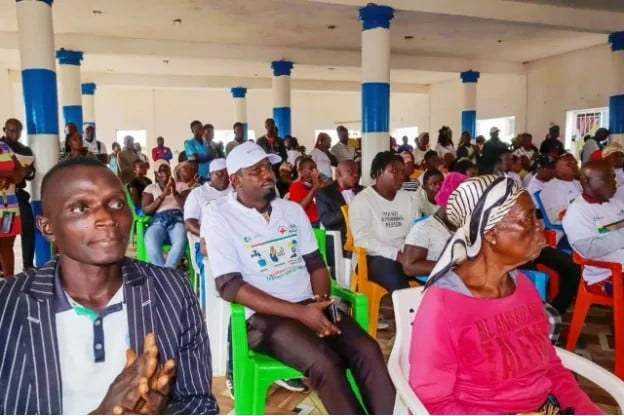
The ECOWAS-funded initiative is restoring livelihoods and improving disaster preparedness in communities across Bong, Lofa, Montserrado, and Grand Cape Mount Counties, areas severely affected by the 2024 floods. The project combines immediate recovery support with long-term resilience building, providing cash assistance to 1,820 disaster-affected families, agricultural inputs and training for 200 local farmers, and safe water access through the construction and rehabilitation of hand pumps and solar-powered water systems.
Beyond infrastructure and livelihoods, the SRSDAP project is creating a new model of community-led disaster risk reduction. Local leaders, government representatives, and residents are working together to strengthen coping capacities, promote inclusion, and ensure that no household is left behind when hazards strike.