

Q&A RAR24
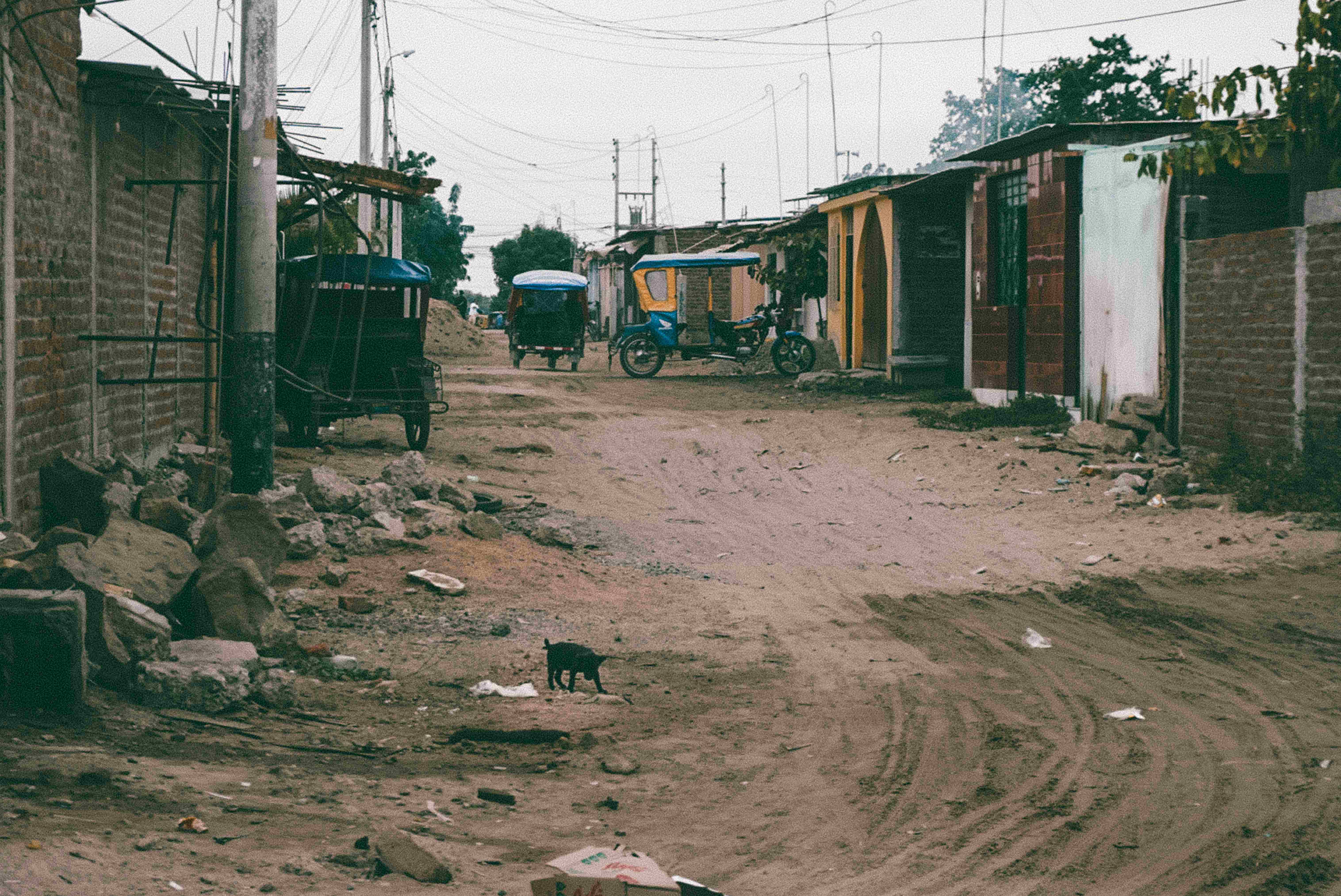
Learn about the topics covered by RAR24, the situation in Latin America and the Caribbean, key elements to reverse the disaster trend in the region, the role of international cooperation, and the main conclusions of the report.
What topics are addressed in RAR24?
The 2024 Disaster Risk Assessment Report for the Americas (RAR24) focuses on financing and investment for disaster risk reduction (DRR) in Latin America and the Caribbean. It presents various analyses and evidence-based recommendations grounded in a better historical understanding of risk to support the design and promotion of innovative, inclusive, and sustainable financing mechanisms and instruments. These mechanisms aim to underpin investment in DRR across its corrective, prospective, and compensatory components.
What is the reality in Latin America and the Caribbean regarding disaster risk?
The continuous and growing increase in the type, number, impact, and recurrence of disasters, as well as the risk that precedes them, has been the dominant trend over the past twenty years. As a result, the gap between losses and damages and the resources and capacities to address, reduce, and prevent them has widened, compromising development sustainability and significantly hindering progress toward achieving the 2030 Sustainable Development Goals (SDGs).
According to the Panorama of Disasters in Latin America and the Caribbean, the region is the second most disaster-prone globally. Between 2000 and 2022, approximately 190 million people were affected by 1,534 disasters. Disasters disproportionately impact vulnerable and marginalized populations, particularly the poorest, excluded, and marginalized groups, with significant influences from intersecting factors such as gender, disability, age, ethnicity, and race, among others.
What is the international community doing about this situation?
The Hyogo Framework for Action in 2005 and the Sendai Framework for Disaster Risk Reduction in 2015 became key guides and references for governments, UN agencies, Multilateral Development Banks (MDBs), international cooperation, civil society organizations, academia, the private sector, and other specialized bodies to seek solutions and adopt commitments to address this reality. However, ten years after Sendai, the trend of increasing disasters and disaster risk continues, and solutions remain constrained by investment deficits in DRR.
What is the state of DRR investment in Latin America and the Caribbean?
The Midterm Review of the Sendai Framework for Disaster Risk Reduction 2015-2030, adopted by the United Nations General Assembly on May 18, 2023, highlights that DRR investments remain insufficient. It emphasizes the importance of strengthening and expanding public, private, and international investment mechanisms informed by risk.
What are the key elements to reduce the disaster trend in the region?
To reverse the disaster trend in the region, it is essential for states to advance in strengthening both the identification of budget gaps allocated to DRR and their incorporation into national financial frameworks and strategies. States must implement innovative mechanisms, instruments, and tools for financing DRR as an integral part of investments in sustainable development. Promoting direct and indirect risk-informed public and private investments is crucial, ensuring that current investments do not finance future disasters.
What characteristics should public policies have to include DRR?
It is essential to promote risk-informed public and private investments, both direct and indirect, to ensure that current investments do not fund future disasters. Public policies, strategies, and development plans must recognize risk as a systemic public problem that limits development sustainability. Addressing this issue requires comprehensive, inclusive, sectoral, and territorial solutions that enhance interventions in underlying risk factors and drivers within an appropriate governance framework.
What characteristics should DRR investments have?
An optimal diversification of investments in prospective, corrective, and compensatory actions is urgently needed to ensure effective and comprehensive risk management. It is important to adopt the "Triple Dividend of DRR Investment" approach, whereby investments not only reduce risk but also promote sustainable development for the future.
Why is investment in prospective, corrective, and compensatory actions important?
Prospective investment, such as urban planning, land use management, and environmental management, allows states to prevent future risks at lower costs than those needed to reduce existing risk or address residual risk. Corrective investment requires significant improvements in infrastructure and public services to make them more resilient, thereby reducing contingent liabilities. It is also important to incorporate DRR elements and prospective approaches into compensatory management to provide relevant information and stimulate ideas to effectively reduce current risk and avoid future risk.
What has DRR financing historically been like in the region?
Analysis of the sources consulted concludes that between 2005 and 2021, only a small portion of financing was dedicated to reducing existing risk (corrective management) and avoiding new risks (prospective management). The largest proportion was allocated to addressing residual risk (compensatory management), though even this remains insufficient given the continuous growth in damages and losses.
How can governance be improved to achieve adequate DRR investment?
Investing in DRR requires robust enabling frameworks, meaning a set of actions that contribute to governance by improving the environment and facilitating decision-making, planning, resource allocation, and the implementation of DRR actions. This can be achieved through three pillars: (1) legal frameworks and public policies, (2) decision-making frameworks, standards, and measures for public investment, and (3) community-level social disaster risk reduction.
What role can states play in financing disaster risk reduction?
States must design comprehensive financial strategies that include appropriate mechanisms and instruments for DRR financing. On one hand, these mechanisms must align with strategic visions and decisions that ensure the financial sustainability of development priorities. On the other hand, they must address the specific conditions of each country, which often impose constraints. Thus, these mechanisms and instruments must be part of an integral financial strategy.
What are the public investment mechanisms to finance DRR?
DRR financing through public investment systems typically uses three types of mechanisms: budget allocations, special funds for specific events (dedicated funds), and investment projects.
Budget allocations include budget lines that may come directly from national government appropriations and/or through mandatory contributions or directed allocations by relevant ministries. They may also include specific budget classifiers or expenditure categories in the national budget and reallocated or contingency budget lines. In recent years, there has been progress in developing and implementing approaches for budget tagging and tracking, which allocate resources specially and temporarily for specific objectives.
Special funds for specific events allow different government entities to receive resources based on eligibility criteria, helping mitigate fluctuations in public spending without compromising fiscal sustainability or incurring government debt.
For investment projects, resources are broadly used for corrective management, such as relocation and resettlement initiatives, and Nature-Based Solutions (NbS), as well as other private-sector-supported initiatives.
How does international cooperation contribute to DRR financing?
Official Development Assistance (ODA), which includes bilateral, multilateral, and private institutions, offers a range of instruments for DRR, including grants, donations, global funds, and trust funds from Multilateral Development Banks (MDBs). It also includes debt instruments such as risk-focused loans and contingent credits from multilateral organizations and banks.
RAR24 analyzed ODA from 2005 to 2021 within DRR-related categories: disaster prevention and preparedness (740), reconstruction, relief, and rehabilitation (730), and emergency response for affected communities (720). The analysis revealed that less than 1% of total ODA for Latin America and the Caribbean was allocated to actions aimed at avoiding or reducing risk.
In addition to its own instruments, multilateral entities and some international organizations support countries in accessing resources from global funds for DRR, such as Multilateral Climate Funds. There are also growing financial instruments to increase private sector participation in DRR, such as damage and loss insurance, parametric insurance, resilience bonds, and catastrophe bonds.
What are the main conclusions of RAR24?
It is urgent to position DRR investment as a strategic component of sustainable development. Through intersectoral, interterritorial, and multilevel coordination, and the active participation of diverse actors, informed decisions must be made to increase DRR investment, strengthen governance mechanisms, integrate risk into public policies, foster monitoring and evaluation processes, disseminate risk information as a public good, and advance integrated regional systems for DRR linked to key development agendas for the region.
Opportunities must be seized to improve DRR investment by promoting optimal diversification among prospective, corrective, and compensatory actions; leveraging the transformative potential of compensatory management; expanding the intersection between Climate Change Adaptation and DRR; incorporating differentiated vulnerability criteria; and developing regional investment strategies that recognize shared risks and design cost-effective and systemic impact actions.
It is essential to strengthen and expand DRR financing mechanisms and instruments by fostering financial risk management frameworks and strategies; enhancing public policy instruments that promote prospective and corrective management; reinforcing risk transfer and retention instruments; developing regulations and incentives for private-sector investments; advancing informed dialogue on the synergies between Climate Change Adaptation and DRR investments; and promoting government programs that encourage community-based social disaster risk reduction. Accompanying these efforts, a significant increase in international cooperation contributions dedicated to DRR is recommended.
It is indispensable to close the gaps in financing and investment analysis for DRR by overcoming structural challenges for comparative, temporal, and spatial analysis and moving beyond approaches that emphasize short- and medium-term economic costs and benefits. This requires the adoption of multi-criteria evaluation methods that incorporate social, environmental, cultural, political, and economic benefits—direct, indirect, and potential—while integrating gender perspectives and intersectionality. A standardized recording system, agreed upon by countries and governments, must also be established.
Photo credit: Photo of Leks Quintero in Unsplash