
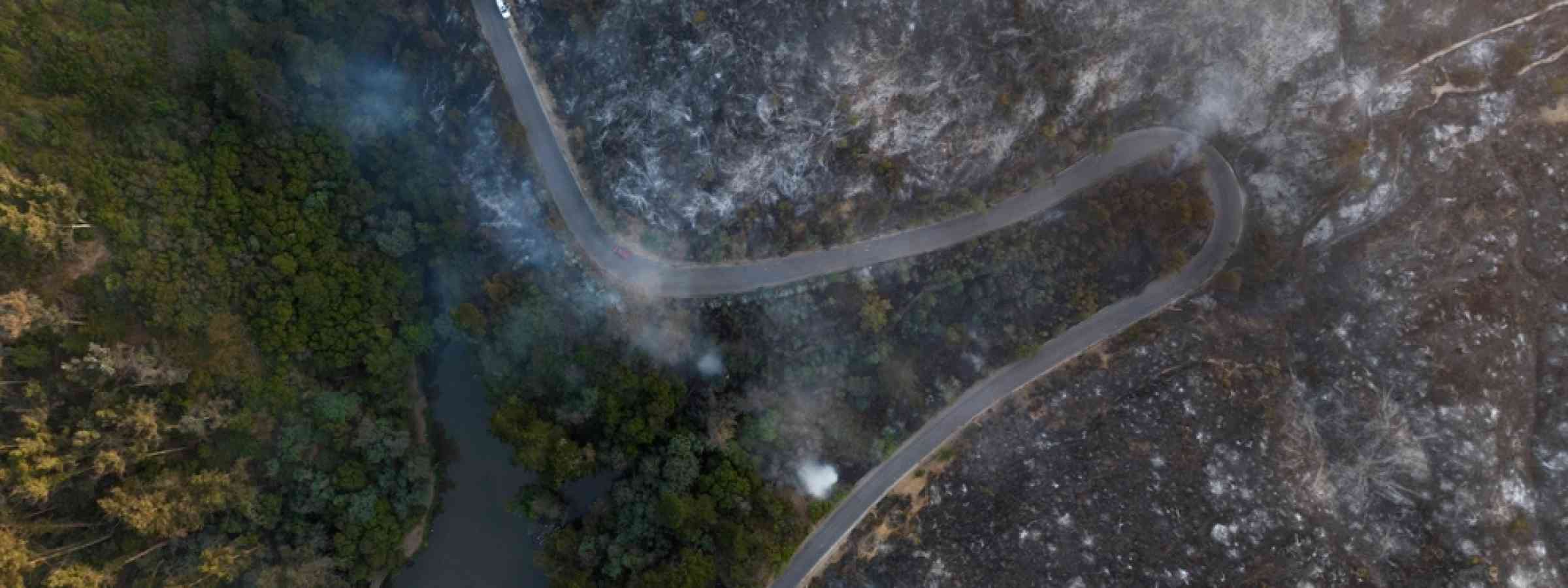
Disasters threaten sustainable development globally, and in Latin America and the Caribbean, they are increasingly frequent and devastating. Six of the ten countries with the highest economic losses from disasters relative to GDP are in Latin America and the Caribbean.
Investment in disaster risk reduction (DRR) has proven effective in safeguarding development progress, enabling resources to bridge gaps in implementing the 2030 Agenda. However, funding for DRR remains minimal.
By not investing in DRR, the world is financing future disasters, as resilience and sustainability go hand in hand.
This low investment in prevention and resilience increases vulnerabilities and leaves many countries—with significant structural challenges and limited fiscal margins—in a state of continuous disaster recovery.

Countries in the region need enabling frameworks, progressive and transparent fiscal systems for resource mobilization, robust budgetary mechanisms, and multisectoral initiatives to strengthen investment in DRR. It is not only mobilizing more resources for DRR, but also ensuring that all development investment is properly informed by a comprehensive understanding of risk and its cascading effects.
The second Regional Assessment Report on Disaster Risk in Latin America and the Caribbean (RAR24), prepared by the United Nations Office for Disaster Risk Reduction (UNDRR), proposes strategies to strengthen investment and improve DRR financing.
Q&A RAR24
The 2024 Disaster Risk Assessment Report for the Americas (RAR24) focuses on financing and investment for disaster risk reduction (DRR) in Latin America and the Caribbean.
Access the Q&A to learn about the topics covered by RAR24, the situation in Latin America and the Caribbean, key elements to reverse the disaster trend in the region, the role of international cooperation, and the main conclusions of the report.
Watch and share
Latin America and the Caribbean is the world's second most disaster-prone region, with disasters on the rise due to hydrometeorological causes. According to Nahuel Arenas García, Chief of UNDRR Regional Office for the Americas and the Caribbean, it is also the second most affected region in terms of economic losses.
Climate change is behind 9 out of 10 disasters. Esperanza González-Mahecha, Senior Climate Change Specialist at Inter-American Development Bank (IDB), emphasizes that it is vital to enhance resilience and integrate disaster risk into the design and construction of infrastructure to avoid new risks.
To close financing gaps and move towards sustainable development, Oscar Guevara, Lead Specialist, Climate Action and Positive Biodiversity, Development Bank of Latin America and the Caribbean (CAF) shares how this effort contributes to achieving the goals of the Sendai Framework and the Paris Agreement.
Alejandra Barragán Rojas, Technical Advisor for the Global Initiative on Disaster Risk Management at German Corporation for International Cooperation (GIZ), explains how cooperation agencies help reduce disaster risk in the region, facilitating progress in sustainable development.
Omar Darío Cardona, former National Director for Disaster Risk Management of Colombia, emphasizes the importance of ensuring that national plans and strategies incorporate a clear perspective on financing and investment as state policies.
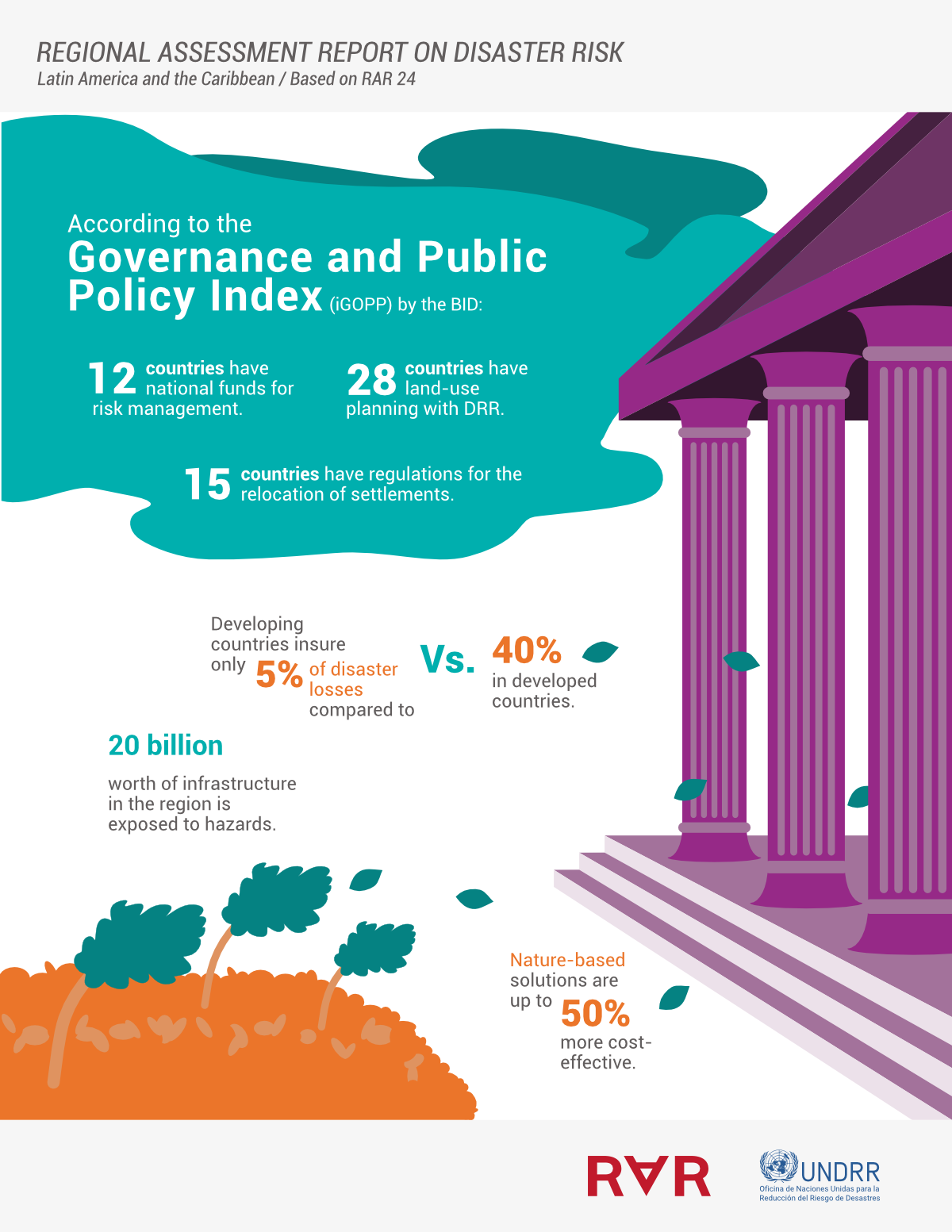
RAR24 in numbers



More about RAR24
Strategic Considerations for Investment in DRR
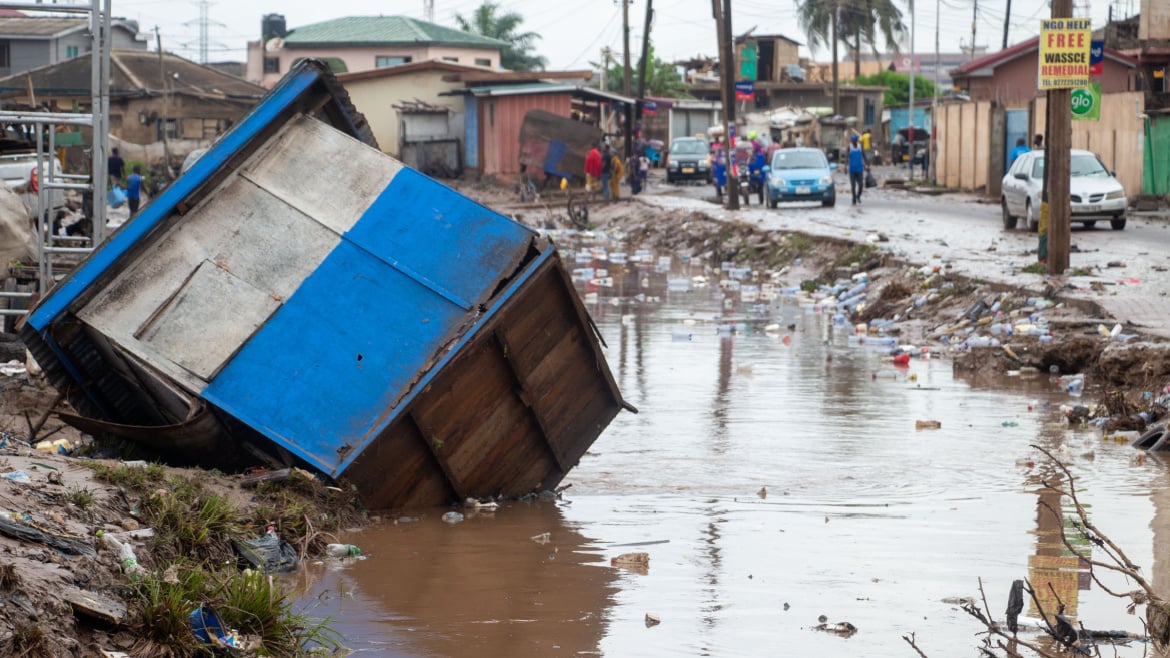
Latin America and the Caribbean are facing a continuous rise in disasters and the risks that precede them, along with the emergence of new and more complex risk drivers, in addition to economic and social crises that jeopardize the sustainability of development. The RAR24 focuses on the importance of financing and investment in Disaster Risk Reduction (DRR) to achieve Priority Action 3 of the Sendai Framework: "Investing in disaster risk reduction for resilience."
DRR Financing in Latin America and the Caribbean
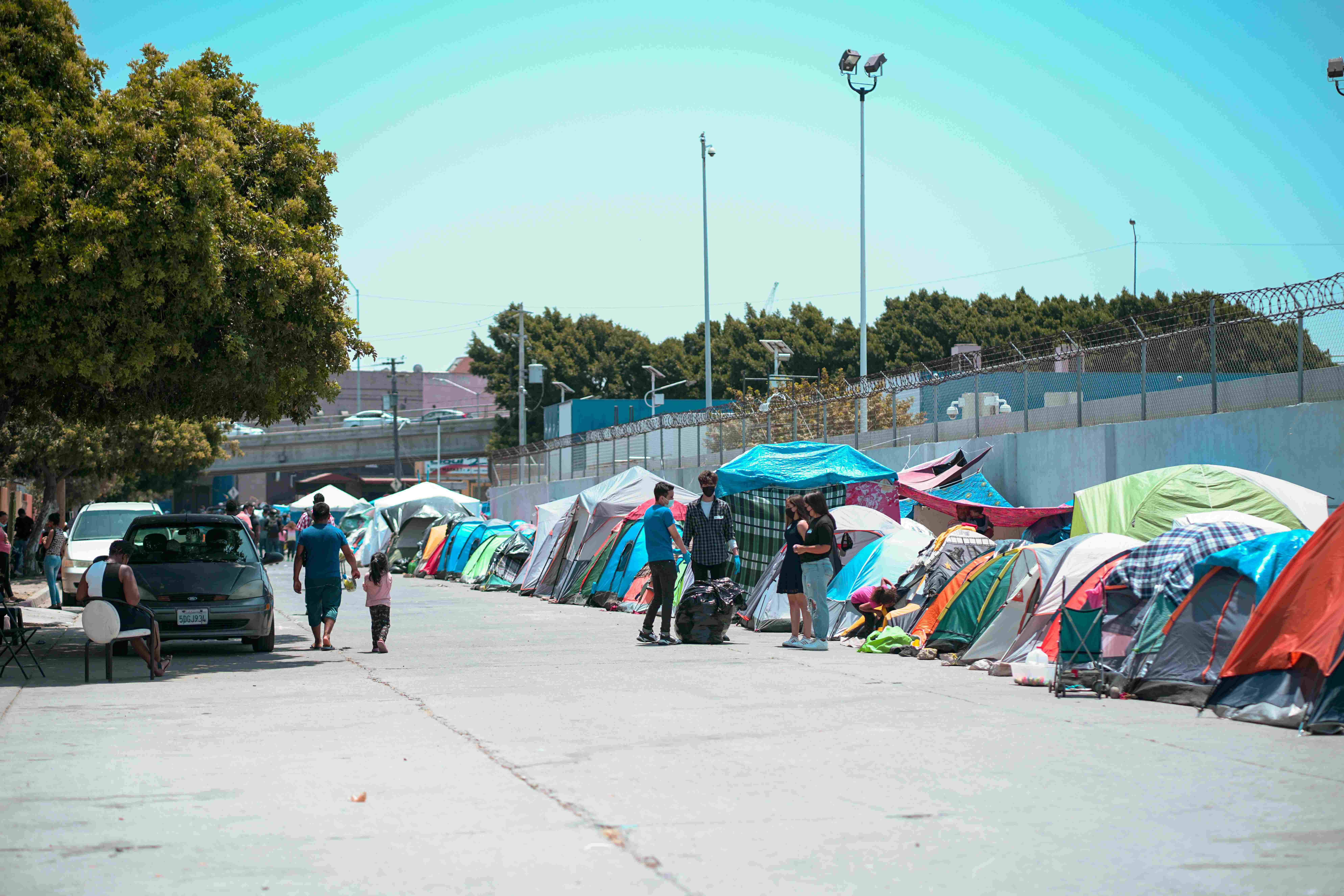
Based on the analysis of the availability of financing for Disaster Risk Reduction (DRR) in Latin America and the Caribbean, the Mid-term Review of the Sendai Framework 2015-2030 determined that, while the region has made encouraging progress in increasing investment through regulations, fiscal incentives, insurance funds, and other measures, the rise in the economic costs of disasters is not typically accompanied by an increase in DRR financing. Additionally, economic recessions tend to reduce budget allocations for this area.
Investment in Latin America and the Caribbean between 2005 and 2021

The RAR24 presents a comprehensive compilation of investments made within the framework of international cooperation, detailing their sources and distribution across sectors and purposes during the period from 2005 to 2021. This report provides an overview of how resources have been allocated to promote risk management in the region. The RAR24 emphasizes the importance of promoting development investments that are informed by risk and contribute to increasing countries’ resilience.
DRR Experiences in Latin America and the Caribbean
In this edition, the RAR24 analyzes five countries in the Latin America and Caribbean region to assess the inclusion of financial resources for Disaster Risk Reduction (DRR) in national budgets over a 10-year period from 2014 to 2023: Brazil, Guatemala, Jamaica, Mexico, and Peru. The challenge lies in increasing investment in forward-looking actions, strengthening regulations, and creating incentive frameworks, while also highlighting DRR actions in these countries and promoting public investment based on risk analysis.
Recommendations for DRR in the region
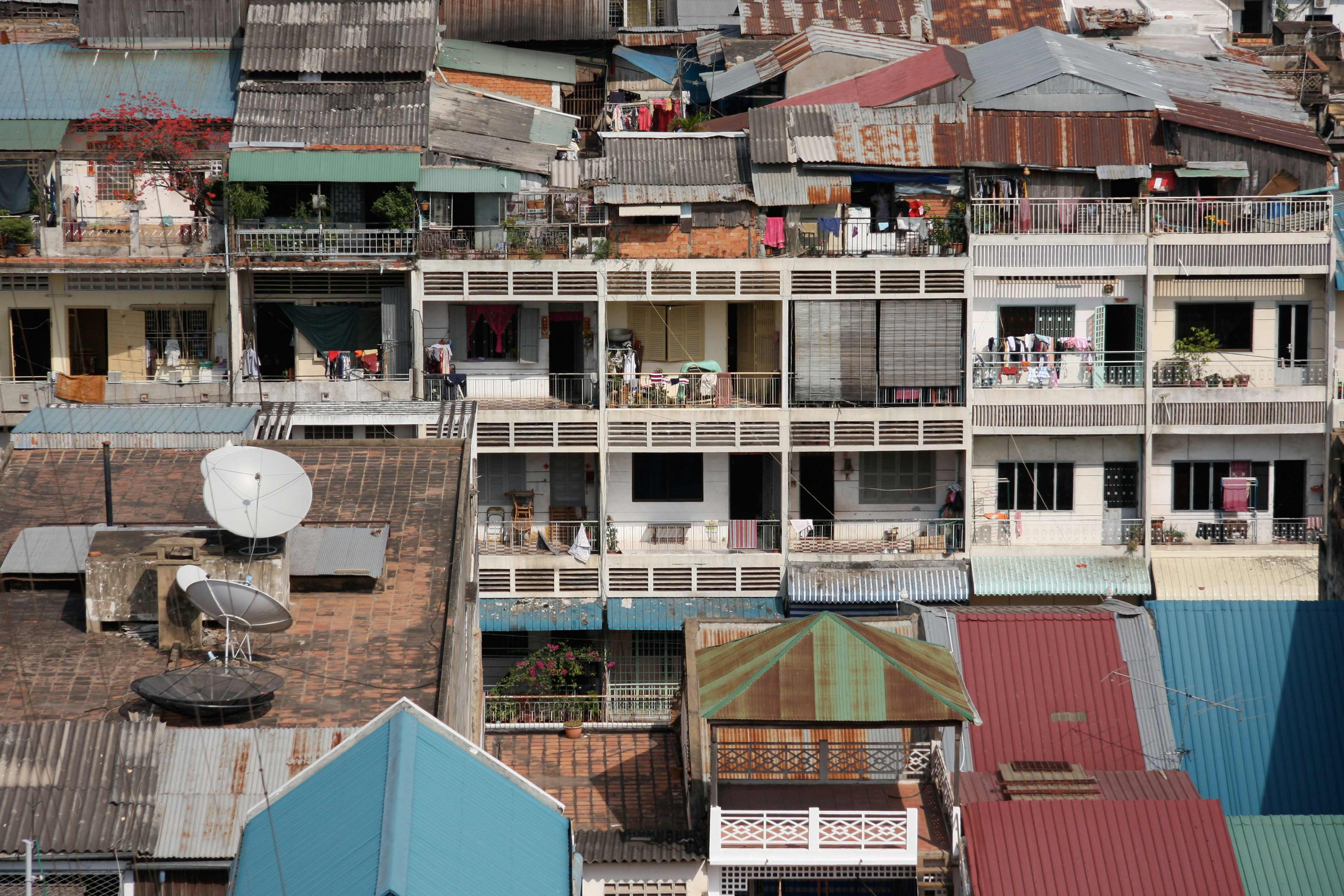
Having analyzed the investment landscape over the past decade and the available financing channels for the region, the RAR24 offers conclusions and recommendations based on the insights of experts in these areas: (1) understanding investment in DRR as a strategic component of sustainable development, (2) closing the gaps for analyzing DRR financing and investment, (3) leveraging opportunities to improve DRR investment, and (4) strengthening and expanding DRR financing modalities and instruments.
Photo credits: Photo of Leks Quintero in Unsplash; Photo of Barbara Zandoval in Unsplash; Photo of Yaopey Yong in Unsplash.