
Strategic considerations for investment in Disaster Risk Reduction
The central theme of the RAR24 is the importance of financing and investment in Disaster Risk Reduction (DRR) to achieve Priority Action 3 of the Sendai Framework: "Investing in disaster risk reduction for resilience."
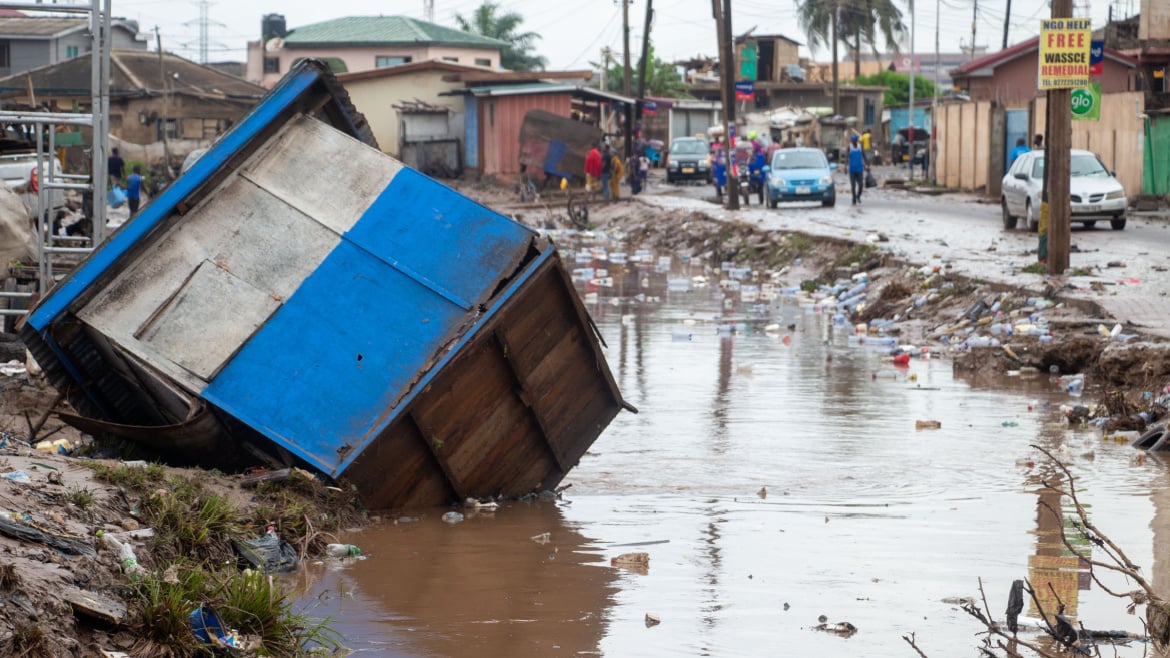
Latin America and the Caribbean face the continued increase of disasters and the risks that precede them, coupled with the creation of new and more complex risk drivers, as well as the existence of economic and social crisis contexts that jeopardize the sustainability of development.
There are six critical challenges in financing and investing in DRR. The first is related to considering the systemic nature of risk: disaster risk is not an isolated phenomenon, but is conditioned by territorial and social characteristics, meaning that the impact of a disaster generates cascading effects throughout society and its territory. A second challenge is the need for investments to adopt a prospective (preventive), corrective (mitigating), and compensatory (post-event) risk management approach, with the aim of increasing resilience, protecting economic assets, reducing vulnerability, and promoting the sustainability of development. In light of this reality, a key element is the Triple Dividend of Resilience (TDR) approach, which ensures that, regardless of whether a disaster occurs or not, investments with a comprehensive DRR approach accumulate both economic and social and environmental benefits.
The third critical challenge is that the central public issue is not the disaster itself, but the risk: since the disaster is the consequence of inadequate risk management, the RAR24 calls for adding governance considerations to DRR investment agendas. The fourth challenge is the increasing impact that the region has faced due to climate change and global warming, characterizing it as a multi-hazard region.
For this reason, it is necessary to address DRR and Climate Change Adaptation in a complementary manner to reduce the risks of new threats to communities and their livelihoods.
The fifth challenge for investment in DRR is recognizing that risk materializes in a specific territory, determined by physical and natural characteristics, human activity, power relations, and administrative and institutional configurations. Given the rapid and unplanned growth of small and medium-sized cities in LAC, it becomes essential that DRR investments strengthen decentralization and deconcentration processes.
Lastly, it is crucial to adopt an intersectional approach and a gender perspective that considers inclusive scenarios where women and girls increase their preparedness and response capacity in emergencies, especially in rural areas. The greater the inequality in a society, the higher the risk conditions for certain population groups and the greater the level of vulnerability.
Taking these challenges into account, the RAR24 outlines the types of priority actions for investment in DRR, classifying them as prospective, corrective, and compensatory. The ideal combination of these investments is determined based on, on one hand, the costs and benefits, and on the other, through a risk stratification approach, meaning classifying and assessing the different levels of risk faced by communities, regions, or countries in the face of disasters.
In LAC, investments are mostly compensatory in nature, meaning they focus on reactive measures after a disaster occurs. Some examples include contingency funds, insurance, early warning systems, humanitarian assistance, catastrophe bonds, adaptive social protection (to prevent falling into poverty due to exposure to threats), and recovery and reconstruction with increased resilience.
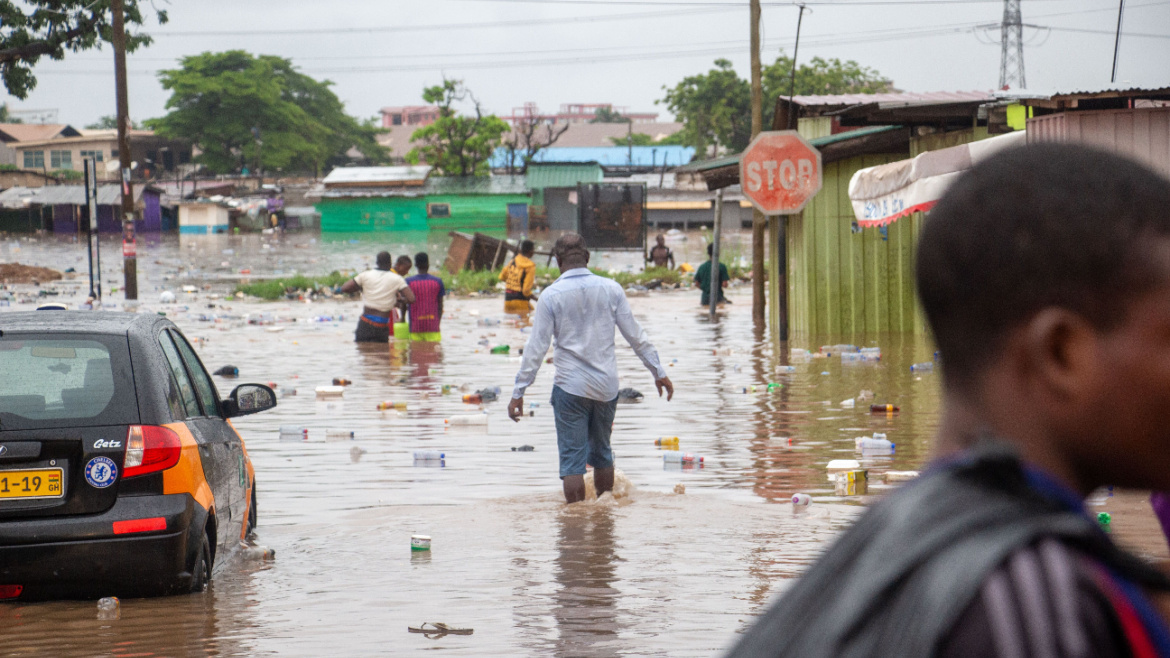
Regarding corrective investments, the RAR24 highlights them, especially in the case of extensive risk, that is, in the face of regular and cumulative damages and losses. Some examples of these investments include: infrastructure works to reduce exposure to threats (such as flood protection dikes or windbreaks); restructuring existing structures to increase their resilience to future events; relocation and resettlement of people from hazard zones (which entails significant governance challenges); and Nature-Based Solutions (NbS) as an alternative to conventional engineering solutions.
In relation to investment in prospective disaster risk management, the RAR24 classifies them as a "soft" approach, as they do not require large investments but are based on knowledge and understanding of risk. Examples of investments with prospective risk considerations include:
- Investment in resilient public and private infrastructure that considers risk from its design;
- Land use planning and territorial management;
- Environmental management and ecosystem conservation, such as mangroves and forests, to protect communities from natural hazards;
- Climate change mitigation to prevent disasters from materializing;
- And poverty reduction to prevent disruption of income, damage, or destruction of essential assets due to disasters.