
Technical workshop in Syria advances disaster risk knowledge for inclusive multi-hazard early warning systems and anticipatory action
Understanding who is at risk, where vulnerabilities lie and how hazards interact is fundamental to developing effective early warning systems. In Syria, this requires particular attention to population displacement, disrupted infrastructure and the availability of reliable risk information.
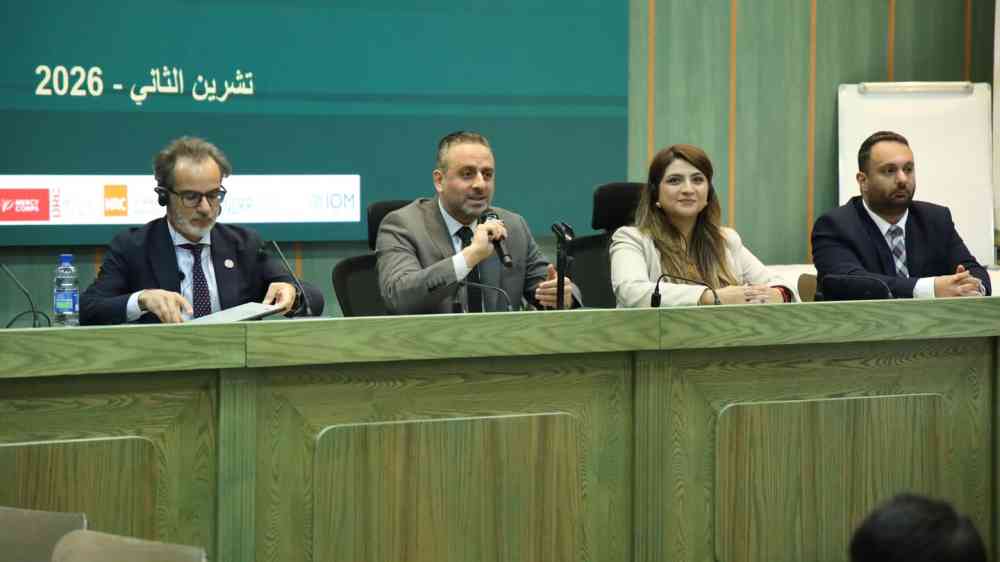
From 16 to 18 November 2026, the technical workshop on Advancing Risk Knowledge for Inclusive Multi-Hazard Early Warning Systems in Syria brought together national institutions, technical experts, and humanitarian and development partners to establish a common, nationally owned technical foundation for strengthening disaster risk knowledge.
The workshop connected Pillar 1 of the Early Warnings for All (EW4All) initiative with the European Union-funded project on Enhancing Emergency Preparedness and Response in Syria (EEPR) through multi-hazard early warning systems and anticipatory action protocols.
The project brings together the Food and Agriculture Organization of the United Nations (FAO), the International Organization for Migration (IOM), the United Nations Office for Disaster Risk Reduction (UNDRR), Mercy Corps, the Norwegian Refugee Council (NRC), and the Danish Refugee Council (DRC).
Building a common understanding of risk
A central focus of the workshop was examining how existing risk assessments, datasets, monitoring systems and institutional expertise could inform a more comprehensive understanding of Syria's risk landscape.
UNDRR provided technical guidance on integrating hazard, exposure, vulnerability and impact information within the EW4All framework, while FAO contributed its expertise in climate risk assessment.
Technical sessions examined the availability, quality, accessibility, and geographical coverage of existing data, alongside institutional responsibilities for collecting, managing, and sharing risk information.
An important component was the development of a common approach to hazard and risk profiling. This included examining historical impacts, hazard frequency and severity, populations at risk, monitoring indicators, and interactions between different hazards.
The process is intended to inform the development of ten hazard profiles under the EEPR project , providing an evidence base for early warning systems, anticipatory action protocols, and disaster risk reduction planning.
Who could still be left behind?
An early warning system cannot fulfil its purpose if the people most at risk are absent from the data or unable to access the information it provides.
Through the application of UNDRR's Inclusive Early Warning and Early Action Checklist, the workshop examined how gender, age, disability, displacement, language, and geographical location can influence access to risk information and warnings.
Discussions also explored the integration of population mobility projections into risk assessments, recognizing the importance of understanding changing patterns of exposure to improve impact forecasting and anticipatory decision-making.
Beyond accessibility, participants examined the operational challenges of maintaining early warning services in fragile and conflict-affected settings. These included infrastructure damage, communication disruptions, institutional constraints, and the protection and security considerations associated with collecting and sharing sensitive information.
The emphasis was on designing systems that reflect people's circumstances and remain functional when they are needed most.
From technical assessments to national priorities
The workshop's roadmap discussions centred on translating identified gaps into practical actions, supported by clear institutional responsibilities, partnerships, and resource requirements.
Working-group exercises provided a framework for connecting each identified gap with the evidence supporting it, the capabilities required to address it and the proposed interventions. This approach is intended to inform immediate, medium- and longer-term priorities under Syria's EW4All roadmap.
By bringing the EW4All process and the EEPR project together, the workshop represents a step towards aligning existing expertise, investments, and institutional capacities under national leadership.
Ultimately, strengthening disaster risk knowledge in Syria is about ensuring that the information available to institutions and communities can guide decisions before emergencies unfold, helping protect lives and livelihoods through timely, inclusive, and informed action.