
Words into Action (WiA)

Strategies to reduce risk and build resilience
In the twenty years between 1998 and 2017 sudden onset disasters killed 1.3 million people and affected another 4.4 billion. Geophysical events, such as earthquakes and tsunamis, were responsible for most fatalities. But climate-related events - such as storms, floods, droughts, heatwaves, and other extreme weather events - accounted for 91 percent of all disasters. These disasters reverse hard-won development gains and can wreck peoples’ lives in irreversible ways. Unless we take action, climate change will cause even more death and destruction.
The 2019 Words into Action guide on Developing National Disaster Risk Reduction Strategies offers guidance for both policy-makers and practitioners to develop national strategies that will reduce the risk and build resilience:
4.4 Billion
people were left injured, homeless, displaced, or in need of emergency assistance.
Affected by disasters between 1998 and 2017
Source: UNDRR
10 steps advised by UNDRR to create a national strategy on disaster risk reduction
Developing a National DRR Strategy
Learn about 10 steps UNDRR recommends to guide and support the development of an effective national disaster risk reduction strategy.
An introduction to the Words into Action guidelines
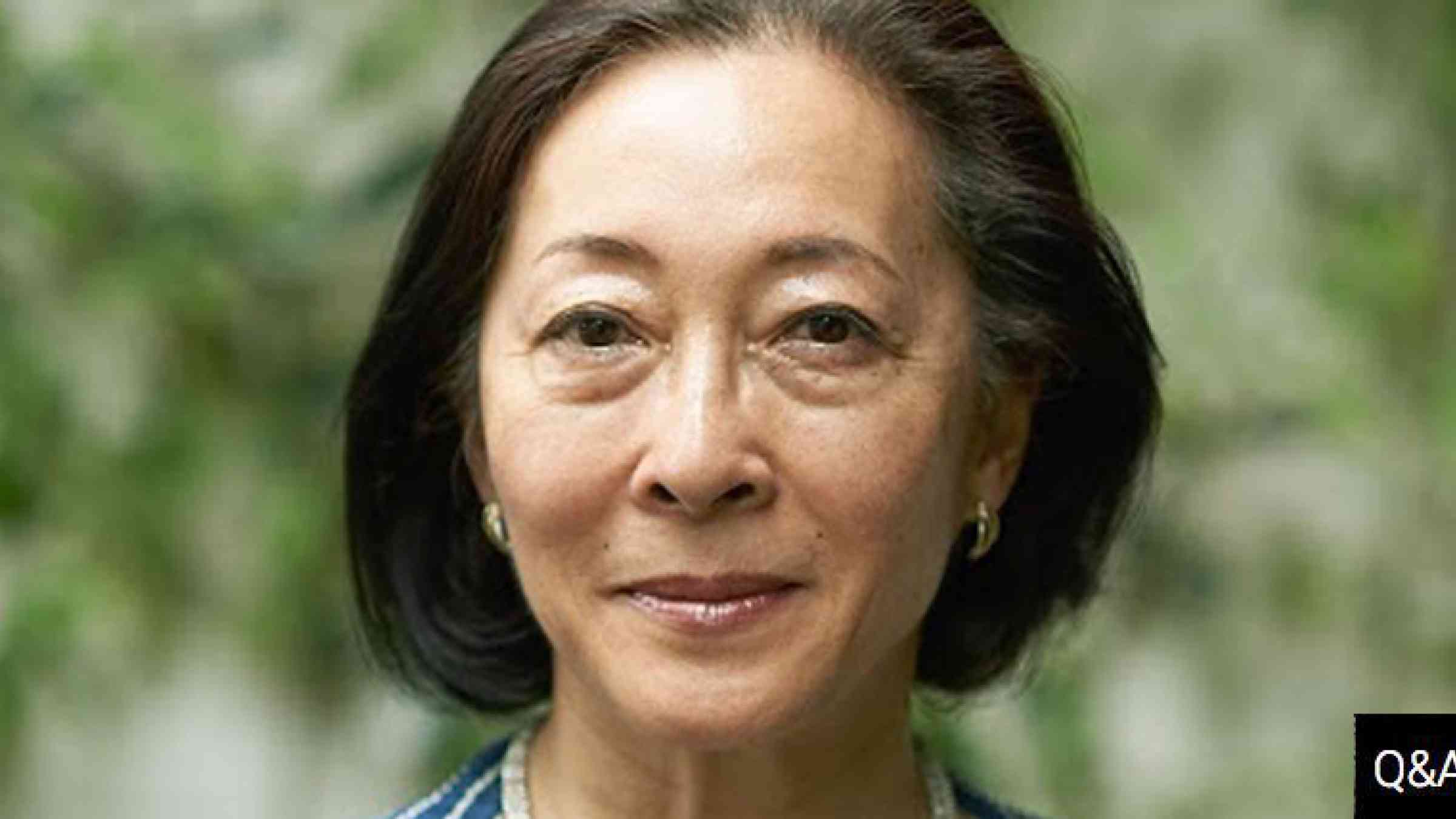
Disasters wreck people’s lives in irreversible ways. In this podcast, Mami Mizutori, the Special Representative of the UN Secretary-General for Disaster Risk Reduction (DRR), Cape Verde’s national DRR head Captain Reinaldo Rodrigues and other experts discuss how countries can align disaster risk reduction with the Sendai Framework, saving lives, reducing economic impacts and fostering an environment of inclusion.
Success Stories
Afghanistan mainstreams disaster risk reduction into different sectors, including agriculture, livestock, fisheries, health, education, tourism, infrastructure, and more.
In Chile, the National Platform for Disaster Risk Reduction coordinates more than 120 agencies.
Mongolia’s Making Cities Resilience campaign connects national and local strategies.
Mozambique’s strategic gender plan ensures the equal participation of women and men in disaster risk reduction.
Namibia mainstreams disaster risk reduction and climate change adaptation in a single national strategy. The strategy includes performance indicators, a timeframe, and initial elements for budgeting.
Tonga combines climate change and disaster risk in a single action plan.
