UNDRR News

The latest news from the United Nations Office for Disaster Risk Reduction (UNDRR), the lead UN agency for the coordination of disaster risk reduction (DRR).

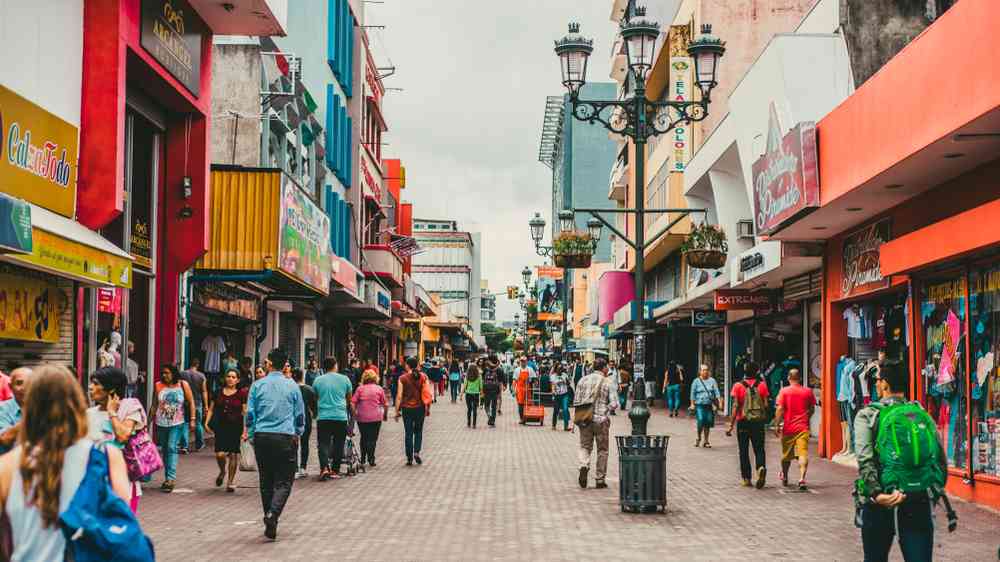
MCR2030 webinar Tunisia
Update

21 December 2021 – The United Nations Office for Disaster Risk Reduction (UNDRR), Regional Office for Arab States (ROAS) and the Ministry of Local Affairs and Environment in the Republic of Tunisia organized a national webinar under the title “Resilient Cities: Introduction to the Making Cities Resilient 2030 (MCR2030).” The webinar came as a part of a series of actions to raise awareness and develop competencies of the Arab cities and to empower local governments and support their efforts to reduce risks and build resilience through the MCR2030 programme.

United Nations Office for Disaster Risk Reduction - Regional Office for Arab States
Update

UNDRR ROAS and the Ministry of Humanitarian Affairs and Disaster Management in Somalia launched the National Platform for Disaster Risk Reduction in Somalia during the Second Consultation Workshop on the National DRR Strategy.

United Nations Office for Disaster Risk Reduction - Regional Office for Arab States
Beirut  Explosion
Update

14 December 2021 – UNDRR ROAS co-organized a webinar in follow-up to the 2020 Beirut port explosion tackling lessons learned, experiences, and good practices in managing risks of ammonium nitrate storage, handling, and transport in port areas, preventing accidents, and mitigating their consequences. The webinar was co-organized by the United Nations, namely the United Nations Economic Commission for Europe, the International Labour Organization, the International Maritime Organization, the United Nations Environment Programme/Office for the Coordination of Humanitarian Affairs Joint Environment Unit, and United Nations Office for Disaster Risk Reduction (Regional Office for Arab States), and the Organisation for Economic Co-operation and Development.

United Nations Office for Disaster Risk Reduction - Regional Office for Arab States
United Nations Economic Commission for Europe (UNECE)
International Labour Organization (ILO)
Joint UNEP/OCHA Environment Unit
International Maritime Organization
Organisation for Economic Co-operation and Development
Update

8 Dec 20201 – The United Nations Office for Disaster Risk Reduction organized a “Technical Forum on Sendai Framework Monitoring” bringing together the Sendai Framework focal points from Member States, National Statistical Offices and line ministries involved in Sendai Monitoring and/or disaster-related statistics, UN organizations who are supporting the Member States in this process and who are also potential users of the monitoring data, and stakeholders and international organizations with an interest in disaster and climate risk and impact analytics.

United Nations Office for Disaster Risk Reduction (UNDRR)
Image for APP-DRR story
Update

The Asia-Pacific Partnership for Disaster Risk Reduction (APP-DRR) Forum concluded with a strong commitment to accelerate the implementation of the Sendai Framework.

United Nations Office for Disaster Risk Reduction - Regional Office for Asia and Pacific
Public megaphones
Opportunities

UNDRR, UN-SPIDER from UNOOSA and the WMO invite partners and stakeholder to share good practices on lessons learned on Multi-hazard Early Warning Systems.

United Nations Office for Disaster Risk Reduction (UNDRR)
Global Platform for Disaster Risk Reduction, Geneva, 13-17 May 2019
Opportunities

The United Nations Office for Disaster Risk Reduction (UNDRR) is glad to announce that application for the Innovation Platform and the Ignite Stage of the seventh session of the Global Platform for Disaster Risk Reduction (GP2022) is now open.

United Nations Office for Disaster Risk Reduction (UNDRR)
PHA workshop in Nur-Sultan
Update

On 30 November 2021, the city of Nur-Sultan in cooperation with the United Nations Office for Disaster Risk Reduction (UNDRR), the European Union (EU) and the World Health Organization (WHO) in Kazakhstan, conducted an assessment of the resilience of the public health sector of the city to disasters. This assessment is one in the series of assessments of overall resilience to disasters, aiming at developing recommendations for the local strategy on disaster risk reduction.

United Nations Office for Disaster Risk Reduction - Regional Office for Europe & Central Asia
Panorama Tel Aviv day _ Dana Friedlander
Update

Israel is joining the MCR2030 initiative following increased collaboration with UNDRR on preparedness, reducing risk, and building resilience. As a supporting entity, Israel has demonstrated a commitment to strengthen efforts on local resilience to help cities in the country be better prepared and join a vast network of cities worldwide, where the Israeli experience and knowledge can be shared.

United Nations Office for Disaster Risk Reduction - Regional Office for Europe & Central Asia
image of Songdo, Yeonsu-gu, Incheon, South Korea - September 3, 2020: Aerial and panoramic view of high rise apartments, Central Park and Northeast Asia Trade Tower
Update

On 23 November 2021, Incheon Metropolitan City became the first city in the Asia-Pacific region to be recognized as a Resilience Hub under the Making Cities Resilient 2030 (MCR2030) initiative.

United Nations Office for Disaster Risk Reduction - Regional Office for Asia and Pacific

You might also find these helpful

Cover- Shutterstock main report
Publications
We produce a range of publications by collecting and analysing risk data through a range of tools, knowledge products, and mobilising like-minded partners.

Cheerful young black lady leading international group of protestors
Campaigns
Our communications and advocacy campaigns call for taking action today to protect people and prevent disasters from happening.

Media Centre Thumb
Media centre
Access to a range of multimedia resources related to disaster risk reduction, including news releases, photos, videos, and other materials.
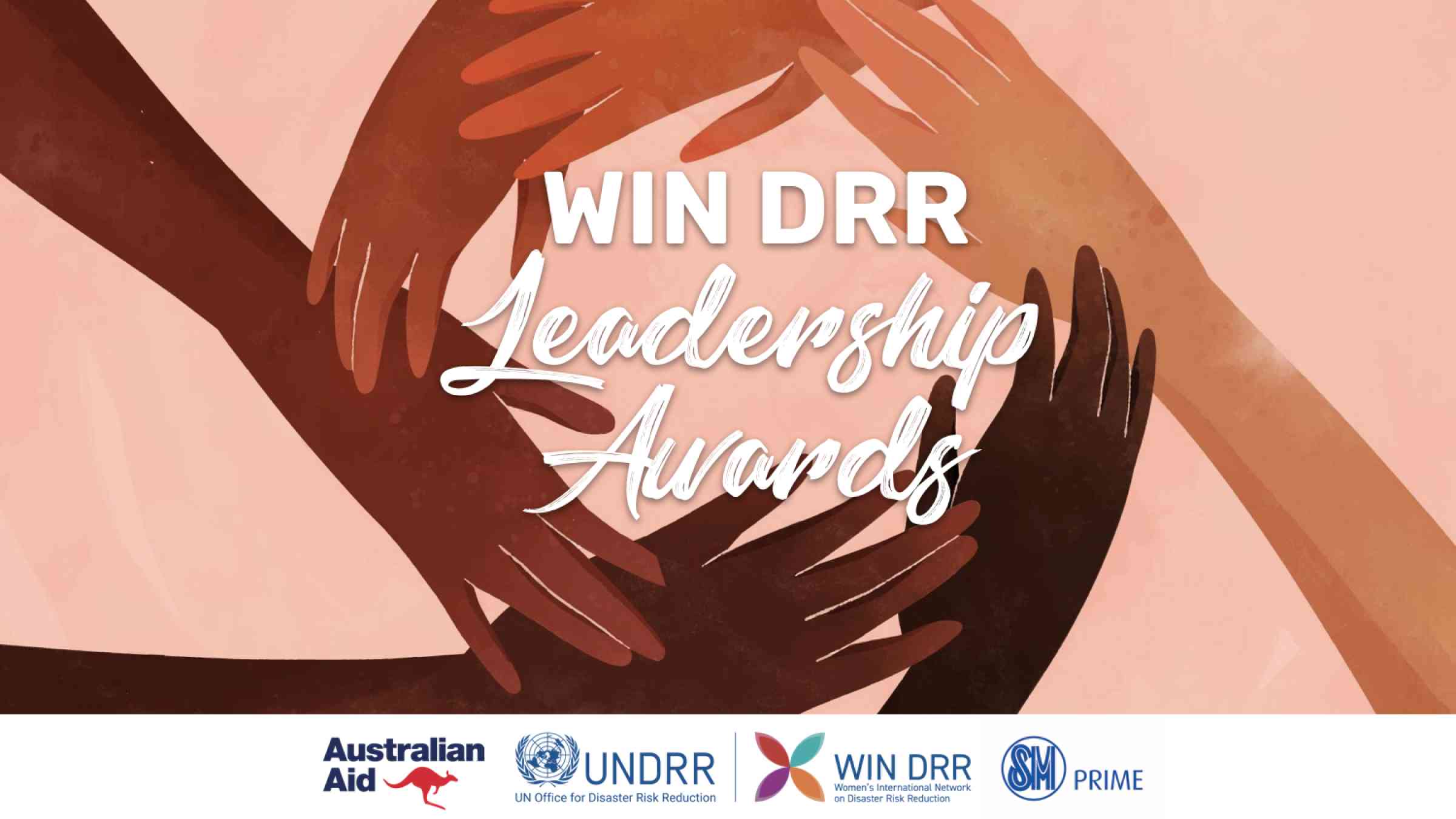
WIN DRR Leadership Awards
DRR Awards
These awards not only celebrate exemplary contributions but also encourage efforts to build more resilient societies.