
UN calls for greater investment in housing resilience as homes account for 43% of reported disaster losses
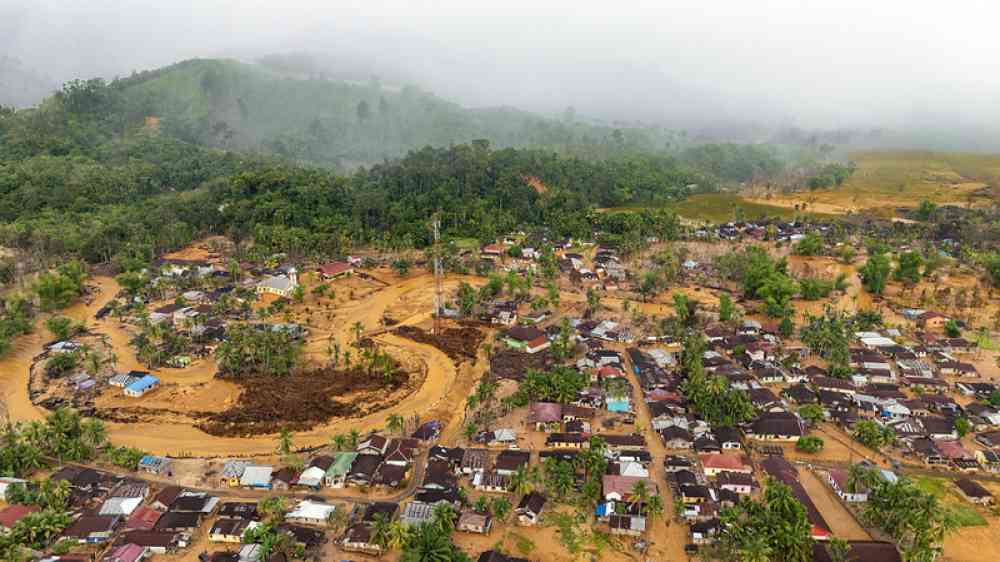
GENEVA, 13 October 2026 – Housing accounts for 43 per cent of direct economic disaster losses reported by countries through the Sendai Framework Monitor, highlighting the urgent need for greater investment in safer homes and household preparedness, the United Nations Office for Disaster Risk Reduction (UNDRR) said today.
Marking the International Day for Disaster Risk Reduction, under the theme Resilience Starts at Home, UNDRR is calling on governments, the private sector and communities to make housing resilience a priority – from where homes are built and the standards they meet to how families prepare for and recover from disasters.
“Safety begins where we live, and preparedness at the household level – understanding the risks, having a plan, and acting swiftly – can mean the difference between life and loss,” said United Nations Secretary-General António Guterres.
Data reported by countries through the Sendai Framework Monitor also show that around half of the people reported as affected by disasters experienced damage to or destruction of their homes. Beyond the economic costs, the loss of a home can displace families, disrupt livelihoods and undermine physical and psychological wellbeing.
Global risk modelling by the Coalition for Disaster Resilient Infrastructure (CDRI) further illustrates the scale of housing risk. Under current climate conditions, its Global Infrastructure Risk Model and Resilience Index estimates average annual losses of approximately US$228 billion for residential buildings from cyclones, floods, tsunamis and earthquakes – representing 53 per cent of estimated annual losses across the world's building stock from these four hazards.
Eleven years after the adoption of the Sendai Framework for Disaster Risk Reduction, progress in reducing disaster mortality has not been matched by comparable progress in reducing the number of people affected by disasters or the economic cost of disasters.
"Until housing becomes safer and more resilient, we will not be able to significantly reduce the number of people affected by disasters and their cost," said Kamal Kishore, Special Representative of the United Nations Secretary-General for Disaster Risk Reduction and Head of UNDRR.
Building resilience into every home
With millions of people still lacking adequate and affordable housing, efforts to close the global housing gap represent an important opportunity to prevent the creation of new disaster risk.
UNDRR is calling for resilience to be integrated into housing policies, urban planning and investment decisions, including through the selection of risk-informed locations, adoption and enforcement of resilient building standards, and investment in retrofitting existing homes and infrastructure.
Depending on the hazards they face, homes must be able to withstand earthquakes, floods, cyclone winds or extreme heat, including under future climate projections.
When disasters do occur, housing recovery should be prioritised because of its importance to wider social and economic recovery. Homes damaged or destroyed should be rebuilt to higher standards, to avoid the recreation of past vulnerabilities while ensuring that affected households are engaged in the recovery process.
Preparing households to face disaster risks
Resilience at home also depends on whether households understand the risks they face and are prepared to act when disasters threaten.
New findings from the Lloyd's Register Foundation World Risk Poll 2026 highlight the importance of household preparedness. Among people who had experienced a disaster and received an advance warning, just 27 per cent of those who had neither a household disaster plan nor confidence in their ability to protect themselves or their families were able to act on the warning, compared with 83 per cent of those who had both.
The findings also reveal inequalities in the ability to act across income groups, underscoring the need for governments to ensure that households have access to risk information, early warnings and the resources needed to take protective action.
The International Day for Disaster Risk Reduction calls for a global movement bringing together governments, communities, businesses and households to make homes safer and ensure that families are equipped to protect themselves.
Reducing disaster impacts will require both: homes that are built to last, and households that are empowered to act.