
Strengthening disaster risk governance in South Sudan
South Sudan is vulnerable to natural hazards, including seasonal flooding, drought and disease outbreak. These disasters, exacerbated by climate change, threaten livelihoods and damage infrastructure, but also displace communities, compounding the risks faced by households already weakened by conflict and economic fragility. These overlapping shocks erode development gains, highlighting the need for strong national disaster risk governance mechanisms that can move beyond reactive humanitarian response and toward proactive resilience building.
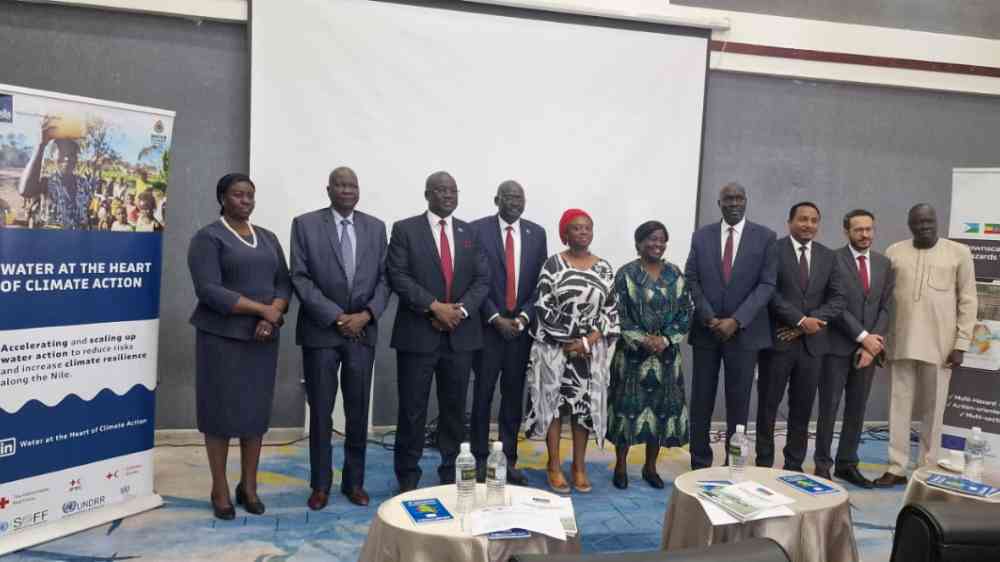
To strengthen South Sudan’s risk governance, stakeholders convened to validate South Sudan’s Revised Disaster Risk Management Policy. The event was organized by the United Nations Office for Disaster Risk Reduction (UNDRR), in collaboration with the Ministry of Humanitarian Affairs and Disaster Management (MHADM), the Food and Agriculture Organization (FAO), the World Food Programme (WFP), and the IGAD Climate Prediction and Applications Centre (ICPAC). The event took place in Juba from 1 to 5 June 2026.
The Revised DRM Policy was validated as part of the Water at the Heart of Climate Action project (WHCA), which is funded by the Kingdom of the Netherlands through its Ministry of Foreign Affairs. WHCA supports communities in five Nile Basin countries to reduce water-related risks and build long-term climate resilience.. WHCA supports communities in five Nile Basin countries to reduce water-related risks and build long-term climate resilience.
Several participants were from South Sudan’s National Platform for Disaster Risk Reduction, which includes government officials, civil society, development partners, and technical experts. This multi-stakeholder participation will help ensure that the policy will harmonise diverse stakeholder inputs and strengthen institutional coordination across ministries and state authorities. The policy supports South Sudan’s transition from reactive emergency response toward proactive risk reduction, preparedness, and anticipatory action. The revised policy more effectively addresses capacity gaps in disaster governance, aligns with international best practices, and is nationally owned.
The national platform has become a vital part of advancing the Sendai Framework and national disaster risk reduction priorities in South Sudan since its formation in 2020. Its multi‑stakeholder composition ensures national strategies are aligned across sectors, while resilience is strengthened through the collective action of a broad coalition of actors.
In 2025, UNDRR supported the national platform in developing its terms of reference (TORs), which established a structured, inclusive, and sustainable approach to improving disaster risk governance at the national level. Since then, the national platform has committed to convening three times a year to suggest clear recommendations for future action. These meetings also serve to reaffirm the platform’s joint commitment to driving coordinated DRM efforts that translate into stronger, more resilient communities.
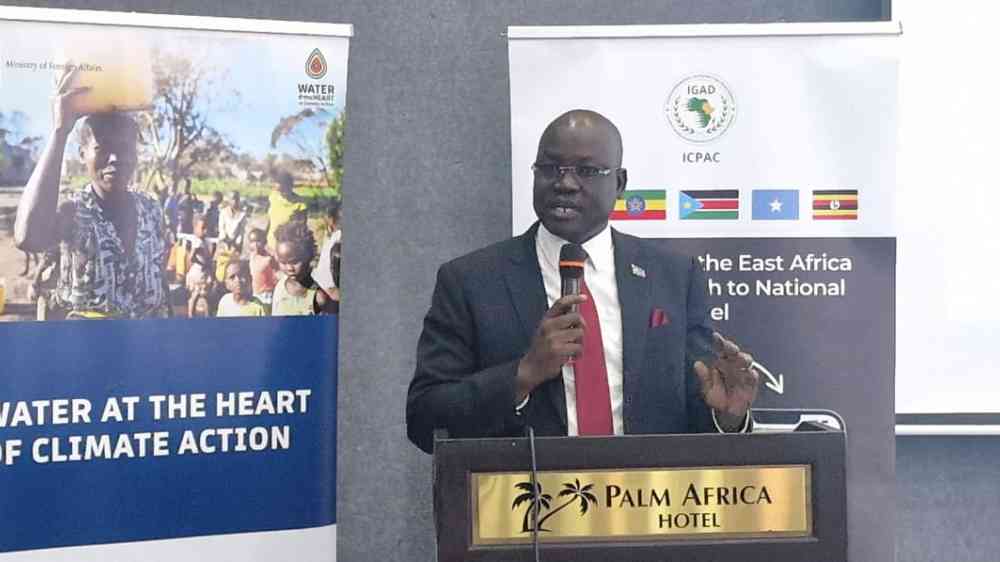
“As we validate this policy, I encourage all stakeholders to ensure that it remains inclusive, evidence-based, and action-oriented. The voices of communities, women, youth, persons with disabilities, local authorities, academia, civil society, and the private sector must continue to shape its implementation. Resilience can only be achieved through collective action and strong partnerships.”
- Dr. Victoria Anib, Head of Mission, IGAD Republic of South Sudan
During the validation, stakeholders assessed whether the revised policy adequately addresses emerging risks, including climate shocks, conflict dynamics, and economic vulnerabilities in South Sudan. A key part of their discussions was finding strategies to ensure anticipatory action is treated as a cornerstone of resilience. Importantly, the workshop enhanced opportunities for resource mobilization by demonstrating that the policy is inclusive, evidence‑based, and aligned with global standards.
Through its framework for integrating DRR into national planning and development priorities, this revised disaster risk management policy helps the country to move away from fragmented, reactive approaches. It provides clarity on institutional roles and responsibilities, ensuring that ministries, state authorities, and partners can work in a coordinated manner rather than in isolation.
Importantly, the policy aligns DRR with climate adaptation, agriculture, water, and economic development strategies, ensuring that resilience is mainstreamed across sectors.
“Disaster risk reduction must be integrated into all aspects of national development planning. Infrastructure, agriculture, health services, education systems, and urban development initiatives should all incorporate risk considerations. Building resilience into development projects ensures that investments remain sustainable and continue to serve communities even in times of crisis.”
- Stephen Kueth Gach, Chairperson of Relief and Rehabilitation Commission (RRC)