
Pangandaran marks 20 years since the 2006 tsunami
“Are you ready to stay alert?” calls a young woman to a group of high school students.
“Ready!” they reply, standing in neat rows in their light-blue batik uniforms.
“Ready to save yourself? Ready to follow instructions? Ready to help others?”
“Ready!”
The students break into song, repeating the words they have just learned: “Tsunami – run quickly! Go to higher ground! Stay away from the shoreline! Help others!”
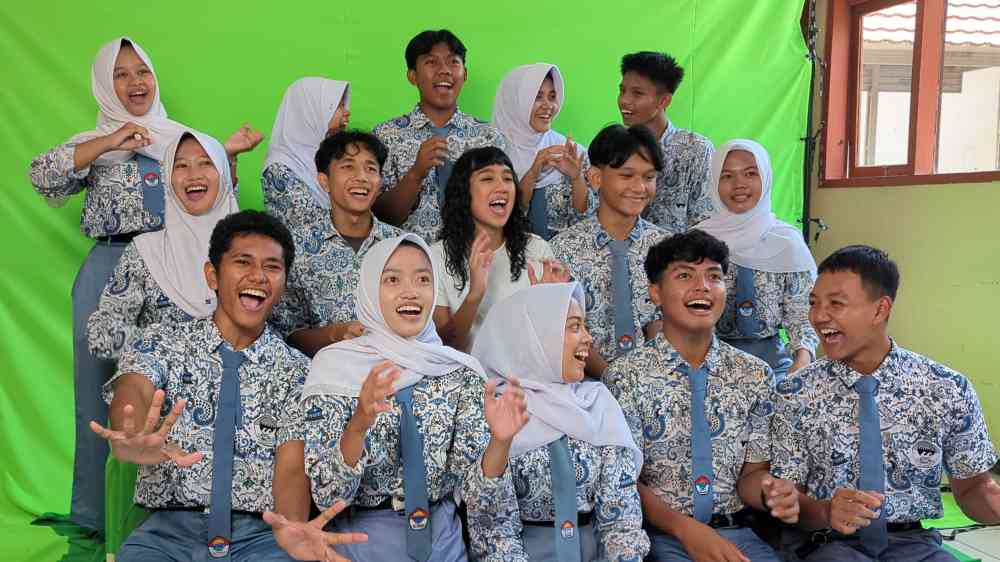
There is laughter, energy and plenty of enthusiasm. But the message is serious. The students are practicing the new Tsunami Song, created especially for this year's World Tsunami Awareness Day activities in Pangandaran, Indonesia. Its simple lyrics turn essential safety messages into something children can sing, remember and share.
For Pangandaran, this is more than a school activity. It is part of an effort to keep the memory of a devastating event alive – and to make sure a new generation knows how to respond if it happens again.
Remembering what happened
On 17 July 2006, a magnitude 7.7 earthquake struck beneath the Indian Ocean, off the southern coast of Java. The earthquake generated a tsunami that swept along around 300 kilometers of coastline, including the popular coastal town of Pangandaran.
The earthquake was unusual: its shaking was relatively weak, even in places that were later hit by powerful waves. With no local tsunami warning system capable of alerting coastal communities in time, people had little opportunity to prepare. More than 600 people lost their lives along the southern coast of Java, including hundreds in and around Pangandaran.
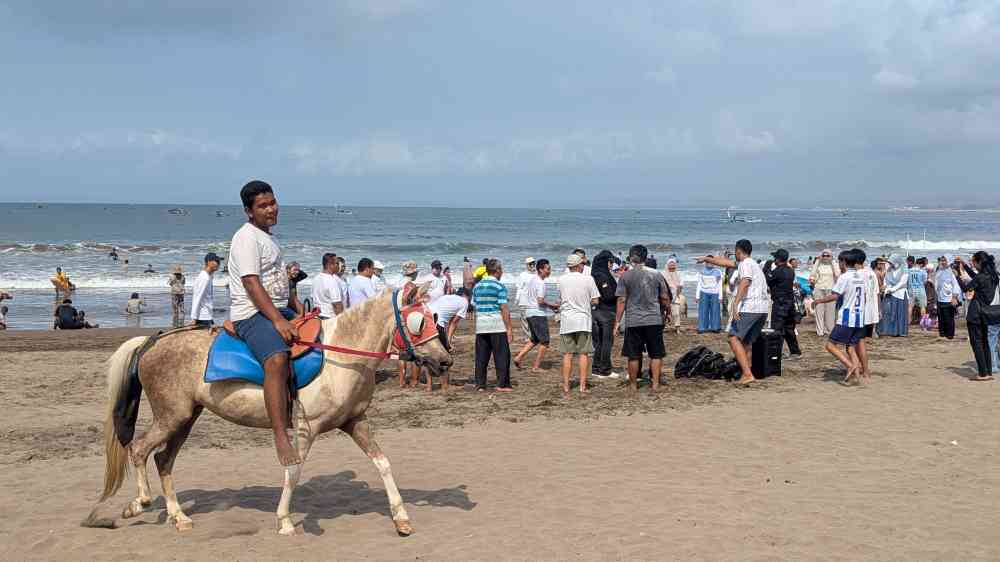
Today, Pangandaran is once again a lively seaside destination. Visitors from Jakarta, Bandung and beyond come to enjoy its beaches, restaurants and coastal atmosphere. Tourism brings opportunities to the community, but it also means that many people – including visitors unfamiliar with the area – need to know what to do when a tsunami threatens.
Twenty years is a long time. Survivors and older residents remember the 2006 tsunami, but an entire generation has grown up since then. Many of today's schoolchildren were not yet born or were too young to remember what happened.
Keeping the memory alive, and passing on the lessons, is therefore essential.
Learning through action – and a little music
This year's World Tsunami Awareness Day activities put children and young people at the heart of preparedness. Students from high school and primary schools took part in classroom sessions, discussions and practical exercises.
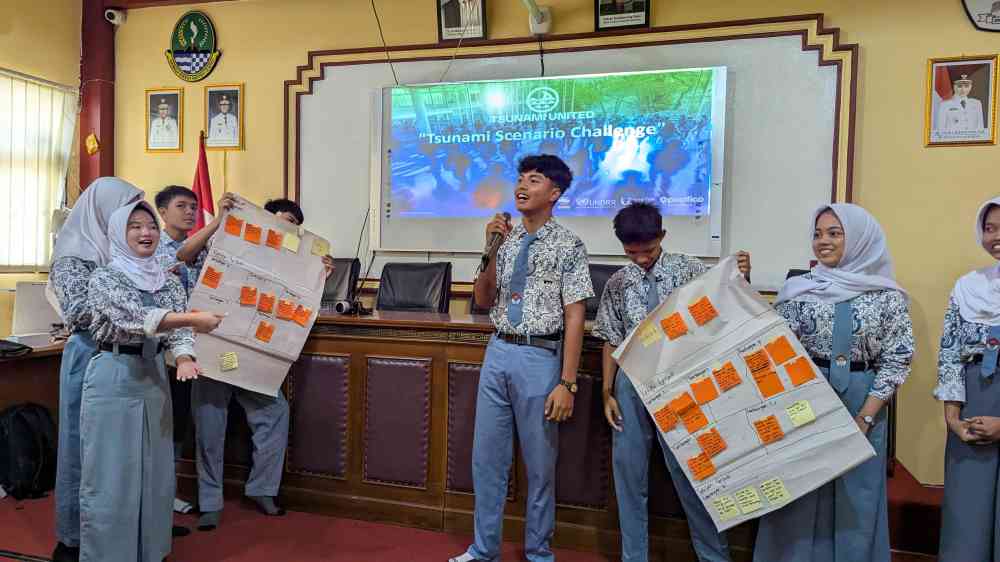
At the National High School No. 1, students explored what would happen if a tsunami warning were issued during the school day. Taking on the roles of teachers, principals and school administrators, they considered how to organize an evacuation, communicate instructions and help everyone reach safety.
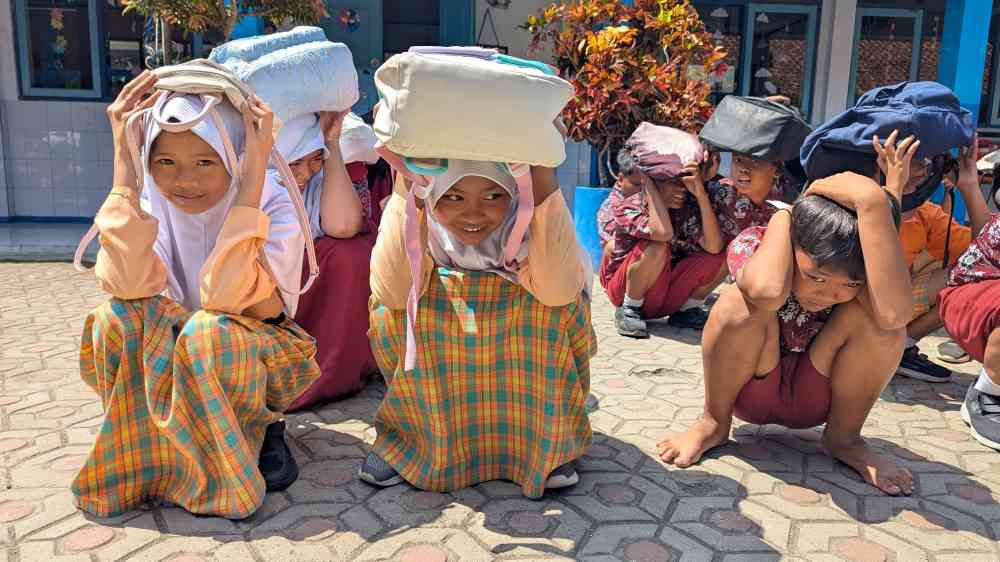
The learning continued outside the classroom, with earthquake drills and tsunami evacuation exercises involving the wider school communities. And, of course, there was the Tsunami Song.
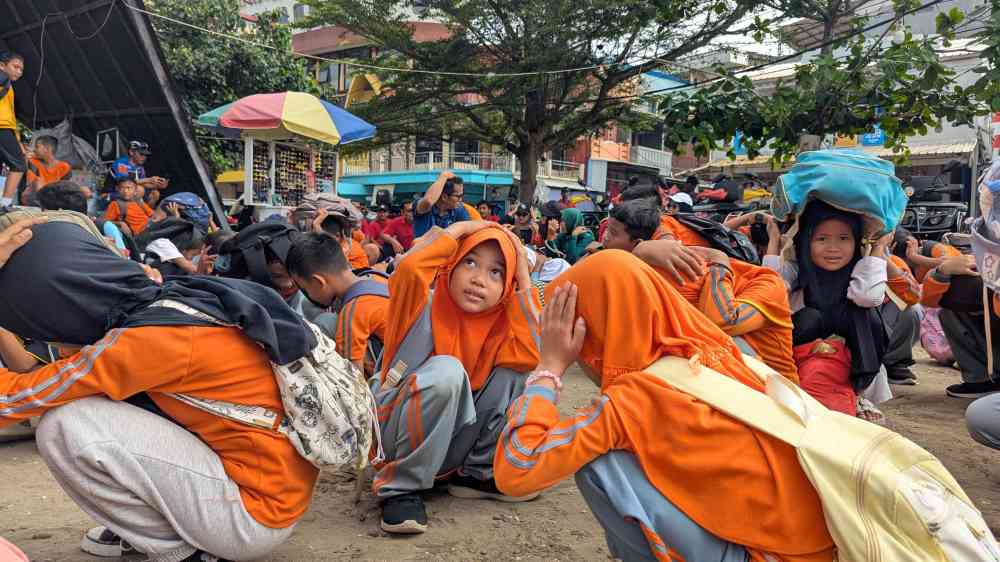
Building on the experience of a similar initiative in Timor-Leste in 2025, the song brings together key messages on recognizing danger, evacuating to higher ground or inland, and helping others. The idea is simple: when important information is set to music, learning can become more engaging – and the messages easier to remember.
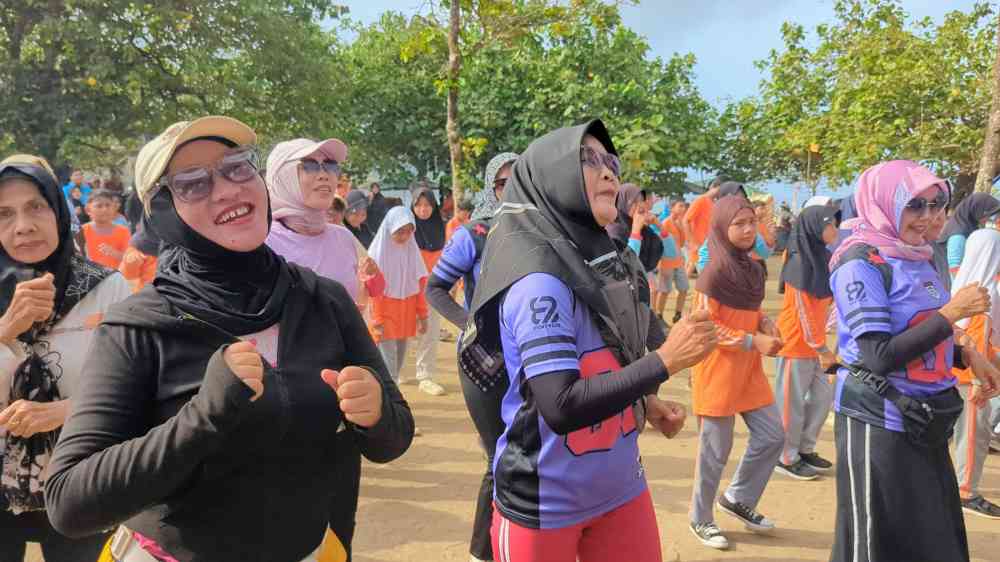
The song also made its way beyond the school gates. At a Zumba dance session by the beach, women and children danced and sang along, turning tsunami awareness into a lively community activity. It was a reminder that preparedness can be something people learn and practice together, in ways that are accessible, creative and enjoyable.
From recognition to continued readiness
Pangandaran has made important progress since 2006. Working with national, provincial and local authorities and technical partners, the community strengthened its preparedness and, in 2022, became one of Indonesia's communities recognized under UNESCO's Tsunami Ready Recognition Programme.
The programme supports communities in putting practical measures in place – from understanding tsunami risks and ensuring people know the warning signs, to establishing evacuation routes, conducting drills and making sure warnings can reach those at risk.
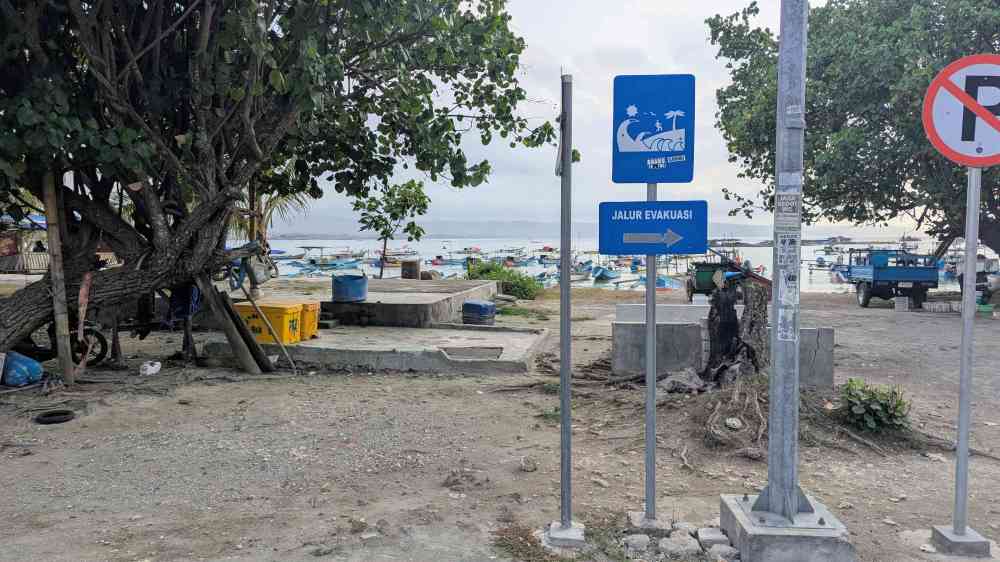
The work matters all the more as Pangandaran continues to attract growing numbers of visitors. A warning can only save lives if people understand it and know how to act. That means preparedness needs to reach not only residents, but also schoolchildren, businesses and tourists.
A community effort, looking ahead
World Tsunami Awareness Day 2026 brought together local communities, schools, authorities and technical partners for several days of learning, exercises and commemoration. The public programme on 6 November attended by around 500 people, offered a moment for the wider Pangandaran community to come together, remember those who lost their lives and recognize the progress made over the past two decades.
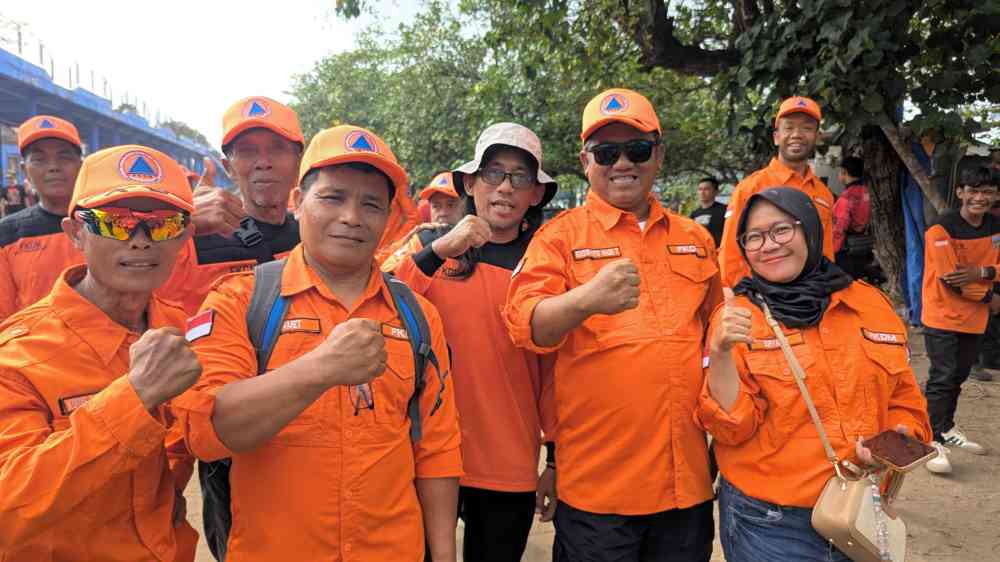
Twenty years after the tsunami, the message from Pangandaran is both a tribute to those affected and a commitment to future generations: remembering matters but knowing what to do can save lives.
And sometimes, the best way to make sure a message stays with us is to sing it together.
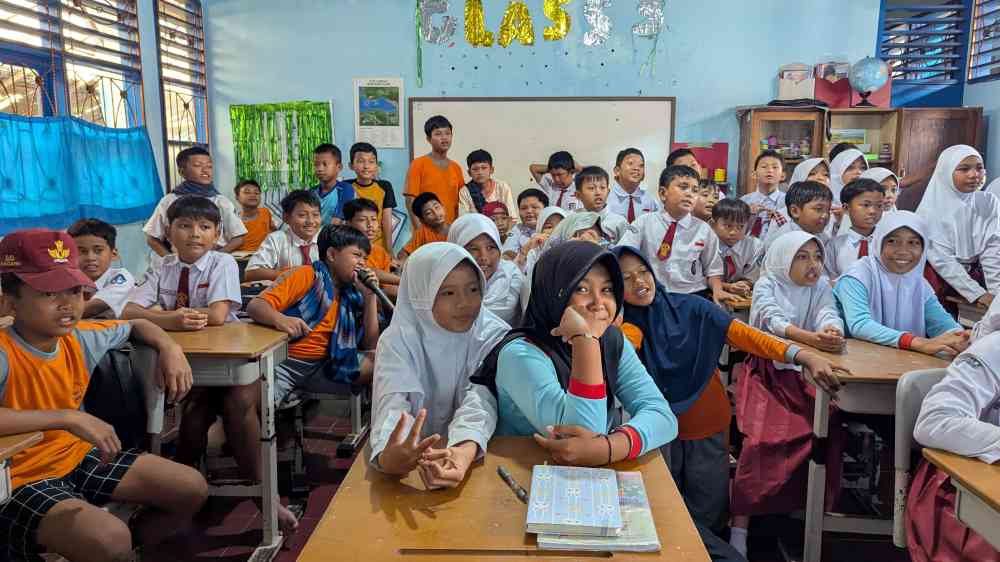
World Tsunami Awareness Day activities in Pangandaran were made possible thanks to financial support from the Government of Japan and organized by UNDRR, UNESCO, Pacifico and U-Inspire Indonesia, in partnership with national, provincial and local authorities, including BMKG, BNPB, BPBD and FKDM.