
Global training on disaster recovery readiness

UNDRR organized a training on Readiness for Resilient Recovery, with a focus on Infrastructure and Housing, with more than 20 country representatives. Government officials and technical experts gathered for a four-day, in-person workshop aimed at sharpening their abilities to recover faster, better and more resilient after disasters.
The intensive training brought together participants from every region, interested to learn how to rebuild in ways that protect lives, economies, and hard-won development gains.
Over the course of the week, delegates dove into UNDRR's Recovery Readiness Framework and Assessment Tool, a structured approach that helps governments understand how prepared they are before an event hits or turns into a disaster. Sessions focused on assessing national recovery systems, strengthening public finance management, and mechanisms such as the Principles for Resilient Infrastructure that support enhancing infrastructure resilience and learning from post disaster housing reconstruction.
During interactive group exercises, participants exchanged lessons learned and strategies for "building back better," a phrase that echoed through the room as both a hope and a challenge.
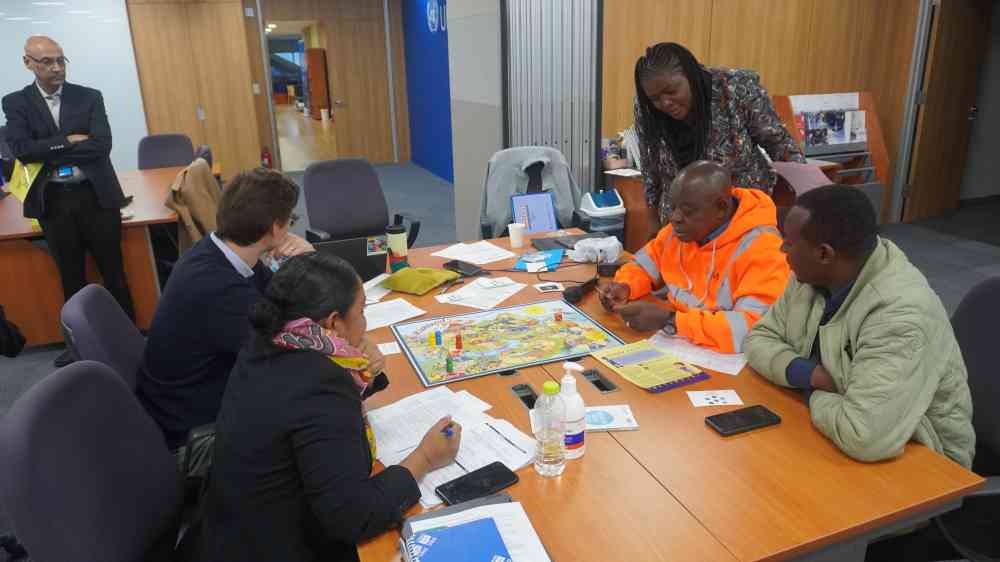
A blueprint for action
By the end of the workshop, countries walked away with a clearer picture of their own recovery readiness. Using UNDRR's Recovery Readiness Framework, teams assessed strengths and gaps in governance systems, institutional capacity, knowledge and financial preparedness. They also reflected on their national infrastructure and housing recovery processes, comparing them with global best practices. Participants worked through how to apply the Principles for Resilient Infrastructure, guidelines designed to ensure infrastructure resilience.
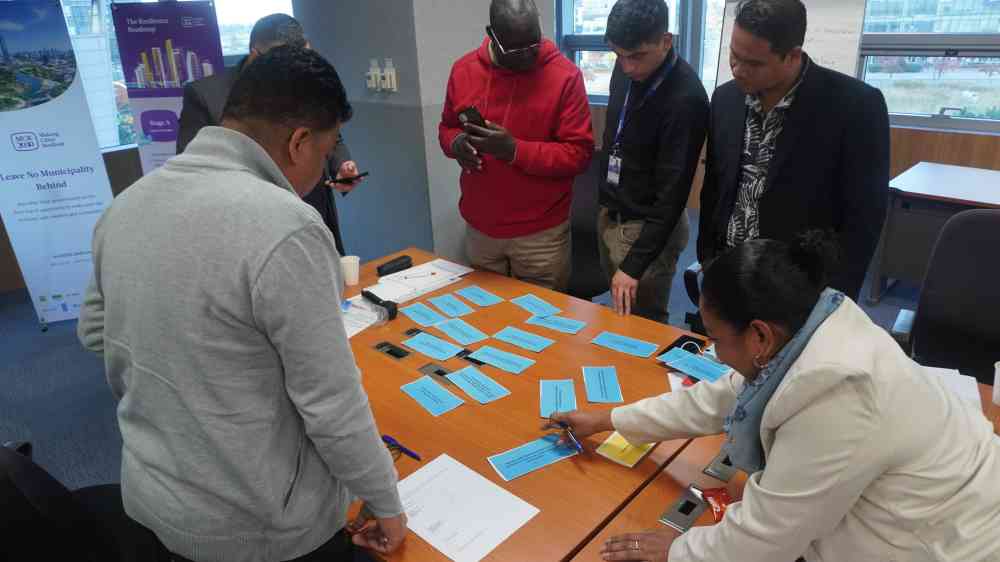
Strengthening the future of disaster recovery
For many countries represented, the workshop came at a critical moment. As climate-driven disasters grow more frequent and more severe, governments are under pressure not only to respond, but to be prepared in all aspects.
The training helped to create pathways for building global recovery systems capable of protecting communities and accelerating long-term resilience. The hope is that the knowledge shared during the four days will ripple outward, influencing policies, funding decisions, and national strategies for years to come.
