
Europe confronts an unprecedented wildfire season – What can we do to prevent them?
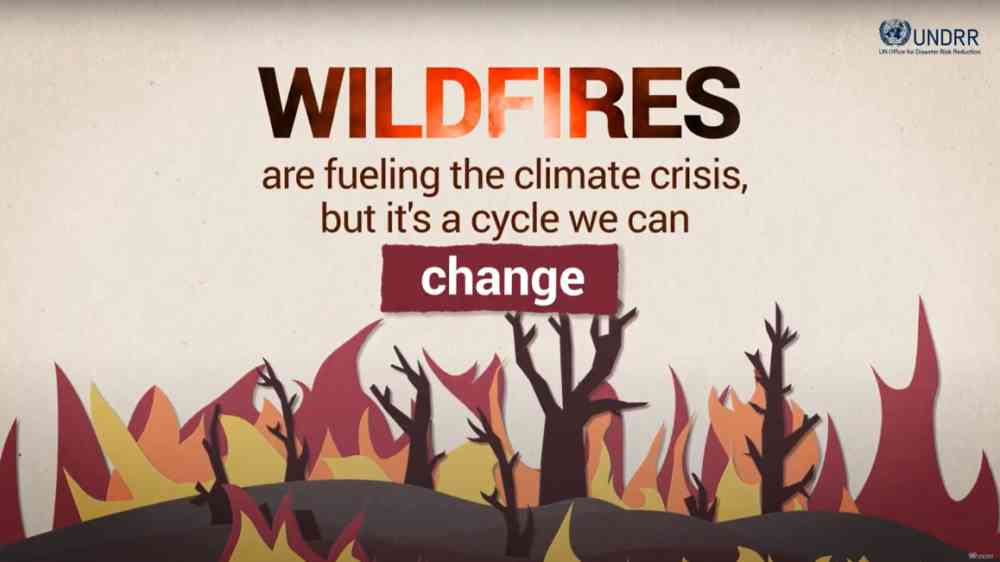
Europe is experiencing what may become one of its most devastating wildfire seasons on record. Since the beginning of 2025, more than 450,000 ha have burned — this is more than double the area burnt in the same period last year, with severe impacts on landscapes, cities, and communities that have spread with alarming speed and severity.
From the Mediterranean to the Balkans, relentless heat and drought have fuelled fierce infernos. In Greece, Spain, Portugal, Turkey, Albania, Montenegro, Cyprus, the UK, France, Italy, and elsewhere, communities are grappling with waves of fire, displacement, and emergency response. While wildfires are common in the summer, this is more than a seasonal crisis. Climate-driven heatwaves, prolonged drought, high wind patterns, and abundant dry vegetation are converging to create a “new normal” of extreme wildfires.
As communities fight to protect lives and livelihoods, the urgency of prevention has never been greater. The question is: how can we step up long-term prevention efforts on wildfires and reduce risk before the flames ignite?
Five key actions for wildfire prevention:
- Forest management – create fire breaks, remove or reduce dry, flammable material through controlled grazing, pruning, or prescribed burns. For example, researchers from France have analysed fuelbreaks as a proactive measure constructed in anticipation of future fires. These man-made areas with reduced fuel load act as barriers to stop or slow down fire spread. Fuelbreaks also provide firefighters with safe access and retreat zones during operations. (GAR 2019 Working Paper)
- Resilient urban planning – ensure new developments are risk informed with defensible spaces and fire-resistant materials. For example, in the Czech Republic, at the local level, building permits near forest areas require the consent of the state forest administration authority and fire rescue service.
- Early warning systems – expand and connect local detection networks with regional forecasting to spot and stop fires quickly. For example, Sweden operates a real-time, automated wildfire detection system using VIIRS satellite data. Fires are detected within 15 minutes, and alerts are sent to municipal fire services via a national portal and SOS Alarm. In 20–25% of cases, fires are detected earlier than traditional methods—especially in remote areas—allowing faster, more targeted response.
- Community awareness – It’s crucial that citizens are risk aware and equipped with knowledge on what do on safe practices, evacuation, and hazard reporting. Inclusive Resilience with vulnerable groups (elderly, disabled, low-income communities) must be central to the planning and response. For example, Portugal runs awareness campaigns, combined with door-to-door visits and school-based education. Local governments also proactively monitor vulnerable populations to ensure they receive timely support during wildfire emergencies.
- Multi-hazard planning – wildfires can increase the risk of other hazards like flooding because the destroyed vegetation slows rainwater and makes soils water-repellent. Repairing the damage and planning for these cascading risks strengthens long term resilience. Example: In Türkiye, following major wildfires in 2024, the Ministry of Agriculture and Forestry pledged to plant 500 million seeds and saplings annually to restore vegetation, reduce runoff, and strengthen resilience against post-fire flooding and erosion.
This is the climate crisis in motion. But it’s not inevitable. We must act now to reduce global emissions and invest in risk reduction.