Bangladesh: Advancing Early Warnings for All
On this page:
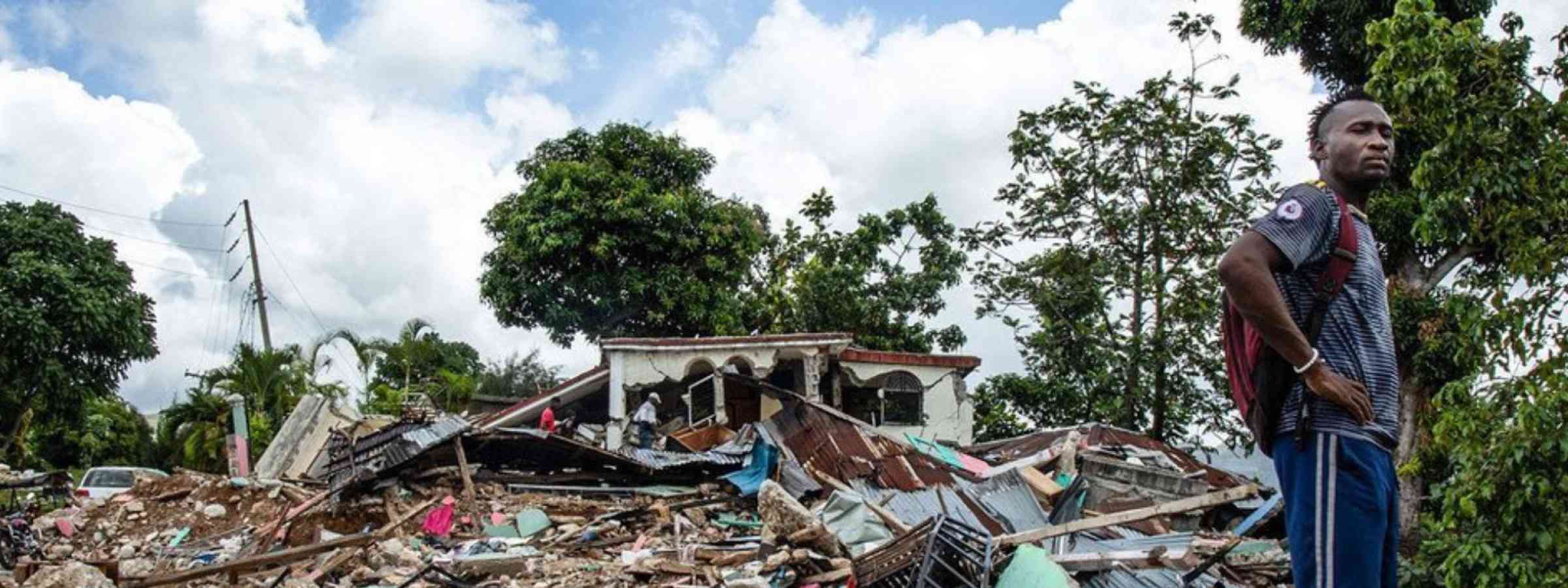
Haiti faces recurring hurricanes, floods, earthquakes, and other hazards that threaten lives and livelihoods. These risks, intensified by climate change and fragile infrastructure, have driven the country to strengthen disaster preparedness and early warning systems nationwide. The Early Warnings for All (EW4All) initiative is supporting Haiti’s goal of protecting every person from disasters through timely, inclusive, and coordinated action.
Led by the Directorate General for Civil Protection (DGPC) with support from the United Nations Office for Disaster Risk Reduction (UNDRR), the World Meteorological Organization (WMO), the International Telecommunication Union (ITU), and the International Federation of Red Cross and Red Crescent Societies (IFRC), Haiti is building the systems, partnerships, and capacities needed to deliver timely, actionable and people-centred multi-hazard early warning system.
Strengthening national frameworks
The Haiti National EW4All Workshop to roll out the initiative was held in Port-au-Prince in November 2023, and brought key stakeholders, national institutions, and pillar leads to take stock of existing capacities and identify key gaps in the country’s early warning systems. Over two days, participants conducted a collaborative gap analysis that examined Haiti’s multi-hazard warning capabilities, from data collection and forecasting to communication and community preparedness. The discussions helped define priority areas for action and set the direction for developing a national roadmap. Haiti is also shifting how disaster risk is understood and managed, recognizing that hazards often overlap and interact, from earthquakes to storms to public health emergencies, and that early warning systems must anticipate multiple risks and guide people clearly on how to act.
Strengthening risk knowledge has been central to this process, with partners working to improve the use of hazard, exposure, and vulnerability data to inform decision-making across sectors. As part of these efforts, UNDRR supported work to improve access to disaster risk data through platforms such as Haitidata.org. The platform consolidates hazard, exposure, and vulnerability information from national and international sources, providing a stronger foundation for evidence-based decision-making and early action.
Following the launch, work continued through 2024 to translate the workshop’s findings into a structured plan for scaling up early warning systems nationwide. The four EW4All pillar agencies worked closely with the Directorate General for Civil Protection (DGPC) and other national counterparts to prepare Haiti’s EW4All roadmap. Consultations were held both in-country and virtually, given the complex security situation, and focused on clarifying institutional roles, setting priority actions under each pillar, and ensuring national ownership of the process.
Together, these milestones reflect a growing national commitment to connect data, institutions, and communities through a unified early warning framework. This work is further supported through the Early Warnings for All multi-stakeholder accelerator funded by the Swedish International Development Cooperation Agency (Sida), which contributes to the development of Haiti’s EW4All roadmap, strengthens coordination among national institutions, and supports ongoing efforts to improve alerting processes and localized preparedness activities.
Operationalizing the country’s mobile-based early warning system
Haiti's national roadmap was validated in March 2025 during an interpillar EW4All mission and workshop in Cap-Haïtien, co-hosted by the DGPC and the World Bank. The event gathered national authorities and partners to review the finalized roadmap and present the design of Haiti’s Multi-Hazard Early Warning System (SAPMAH).
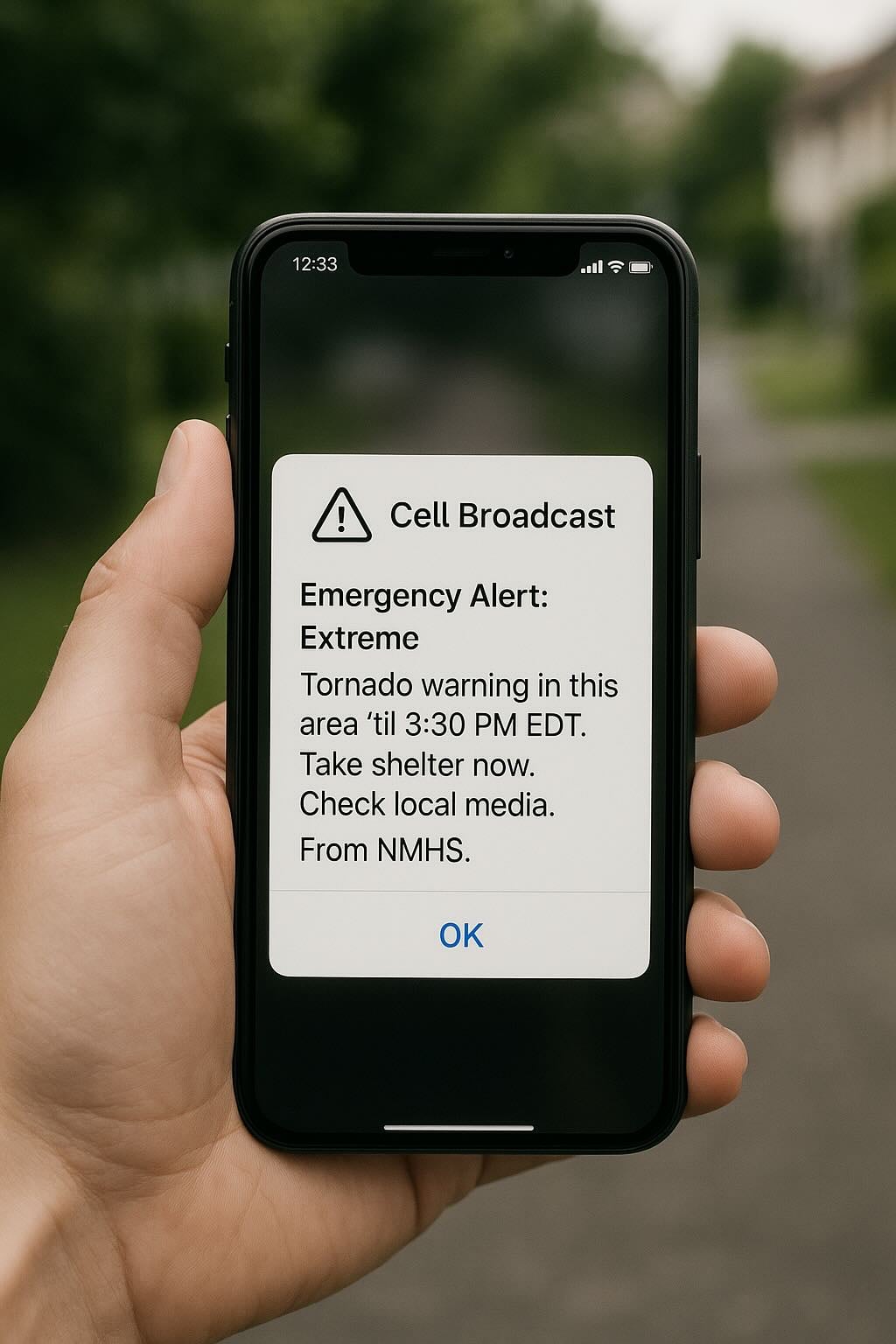
Using a manually triggered short-message service (SMS) alert, the live simulation successfully delivered more than 50,000 manually triggered, location-based SMS test alerts to residents of Cap-Haïtien (See here the actual message sent).The test helped build public confidence in official alerts and demonstrated how early warnings can move from screens to action at the community level. The simulation also built community awareness about how to recognize official alerts and take protective action, laying the foundation for trust and faster response during the hurricane season.
ITU provided technical support to assess Haiti’s telecommunication infrastructure and the legal and regulatory frameworks that govern the dissemination of these alerts. The simulation was conducted through the joint leadership of ITU, UNDRR, WMO, IFRC and the World Bank, in collaboration with Haiti’s national telecommunications regulator, Conseil National des Télécommunications (CONATEL), DGPC, and the country’s two mobile network operators (Digicel and Natcom).
Since the simulation in March, Haitian authorities have sent over 100,000 preventive flood alerts via SMS, demonstrating the potential of mobile networks to deliver timely warnings to people at risk and marking tangible progress in strengthening Haiti’s operational capacity under EW4All.
Building on this momentum, the Government of Haiti has requested further technical support to advance the deployment of Cell Broadcast technology — a critical next step toward fast, reliable and location-specific warning delivery at national scale. In parallel, authorities are prioritizing the design of disability-inclusive early warning services, ensuring that alerts are accessible to all people, including those with hearing, visual or cognitive impairments. These priorities reflect Haiti’s commitment to a fully people-centred early warning system under EW4All.
Strengthening regional collaboration
Haiti’s national progress is reinforced by strong regional and international partnerships that connect the country’s work to broader initiatives across the Caribbean and beyond. These collaborations provide technical expertise, funding, and capacity support.
Through the Climate Risk and Early Warning Systems (CREWS) initiative, Haiti continues to strengthen the capacity of its Hydrometeorological Unit (UHM) to monitor, forecast, and communicate weather and climate-related hazards. Despite persistent security and institutional challenges, the CREWS Haiti project has maintained operations through flexible implementation measures, such as virtual coordination, targeted capacity building, and close collaboration with UNDP Haiti. The project has delivered tangible results, including a finalized strategic plan for UHM, a memorandum of understanding to enhance cooperation, the purchase of office supplies and fuel for the institution, payment for internet services, and a series of training workshops that improved understanding of meteorological information for civil protection and food security actors.
Regional collaboration also plays a key role in building resilience across shared hazard zones. Haiti’s experience under CREWS connects with similar initiatives across the Caribbean and Latin America, where investments in forecasting, hydrometeorological networks, and institutional capacity are helping countries strengthen their readiness for floods, droughts, and tropical cyclones. The Systematic Observations Financing Facility (SOFF) complements these efforts by financing improvements to basic weather and climate observation networks. Through a new partnership with the Inter-American Development Bank (IDB), SOFF resources are supporting upgrades to national observation stations across the region, including in Haiti, to meet Global Basic Observing Network (GBON) standards and ensure the consistent sharing of high-quality climate data.
The “Strengthening DRM and Climate Resilience" (PGRAC) project, funded through a World Bank grant, has also been designed by the Government of Haiti as part of its efforts to improve early warning systems by strengthening national capacities for disaster preparedness, response, and resilience. UNDP through the led GCF project “Enhanced climate resilience in the Trois-Rivières region of Haiti through Integrated Flood Management” is also supporting similar efforts. WFP, together with a consortium of development partners (WMO, UNDRR, UNEP) is currently developing a CREWS GCF Scale-Up project for Haiti which is planned to provide an overall funding of USD 25 Million. It will target various areas along the early warnings value chain and support a number of involved stakeholders/actors, including UHM. The requested additional financing will further support the development of this project and ensure the proper inclusion of technical support and advisory.
At the same time, WMO and UNDRR are working with Haiti and other priority countries to ensure that early warning systems can operate effectively in fragile and high-risk contexts. This includes applying guidance from the Handbook on Early Warning Systems and Early Action in Fragile, Conflict and Violent Contexts, which supports the rollout of EW4All in countries facing compounding humanitarian and security challenges. By fostering collaboration among humanitarian, development, and climate actors, this approach helps ensure that Haiti’s early warning systems remain functional and inclusive, even amid instability.
Together, these partnerships are helping Haiti move toward a more integrated regional network for forecasting, early warning, and anticipatory action, ensuring that data, technology, and expertise flow across borders to strengthen resilience throughout the Caribbean.