
Djibouti advances EW4All with risk-knowledge workshop for early warning and anticipatory action
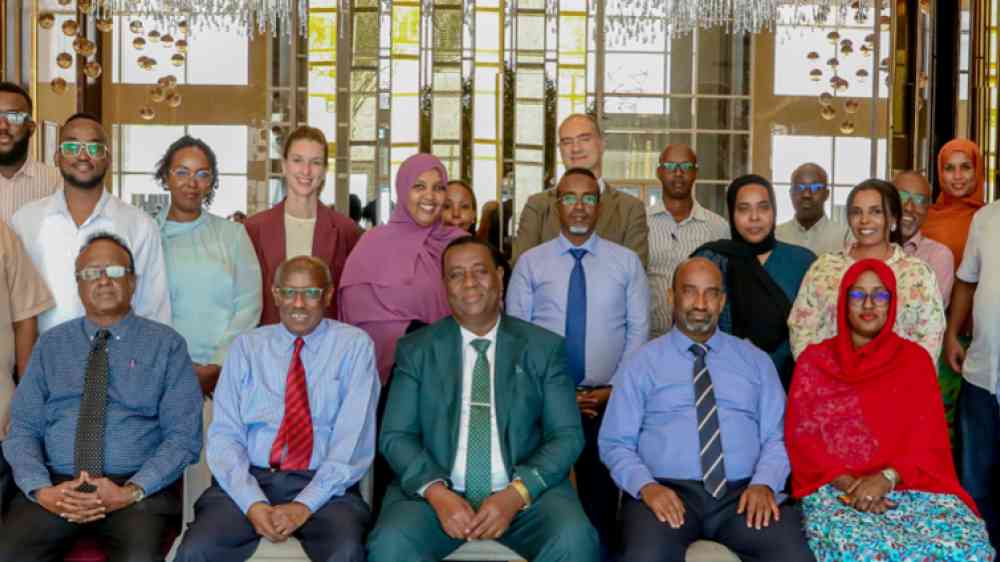
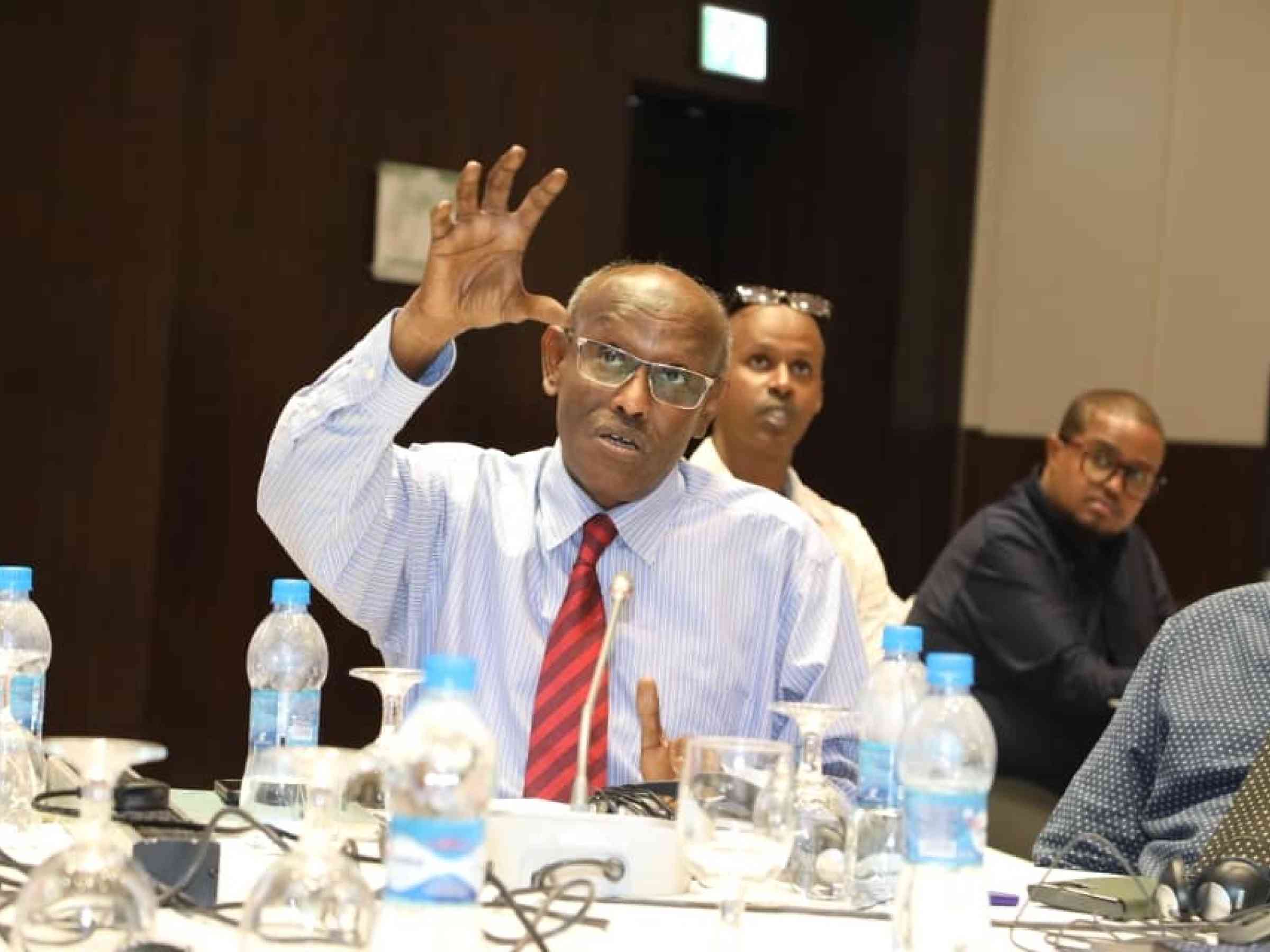
Djibouti, 19-20 October 2025: A two-day technical workshop on leveraging risk knowledge to strengthen Early Warning and Early Action (EWEA) brought together 25 representatives from national agencies responsible for risk assessment, early warning, and disaster risk management. Organized by UNDRR and facilitated by the CIMA Research Foundation, the workshop focused on integrating hazard, exposure, and vulnerability data to enable impact-based forecasting, targeted warning messages, and clear activation triggers, in line with EW4All Pillar One.
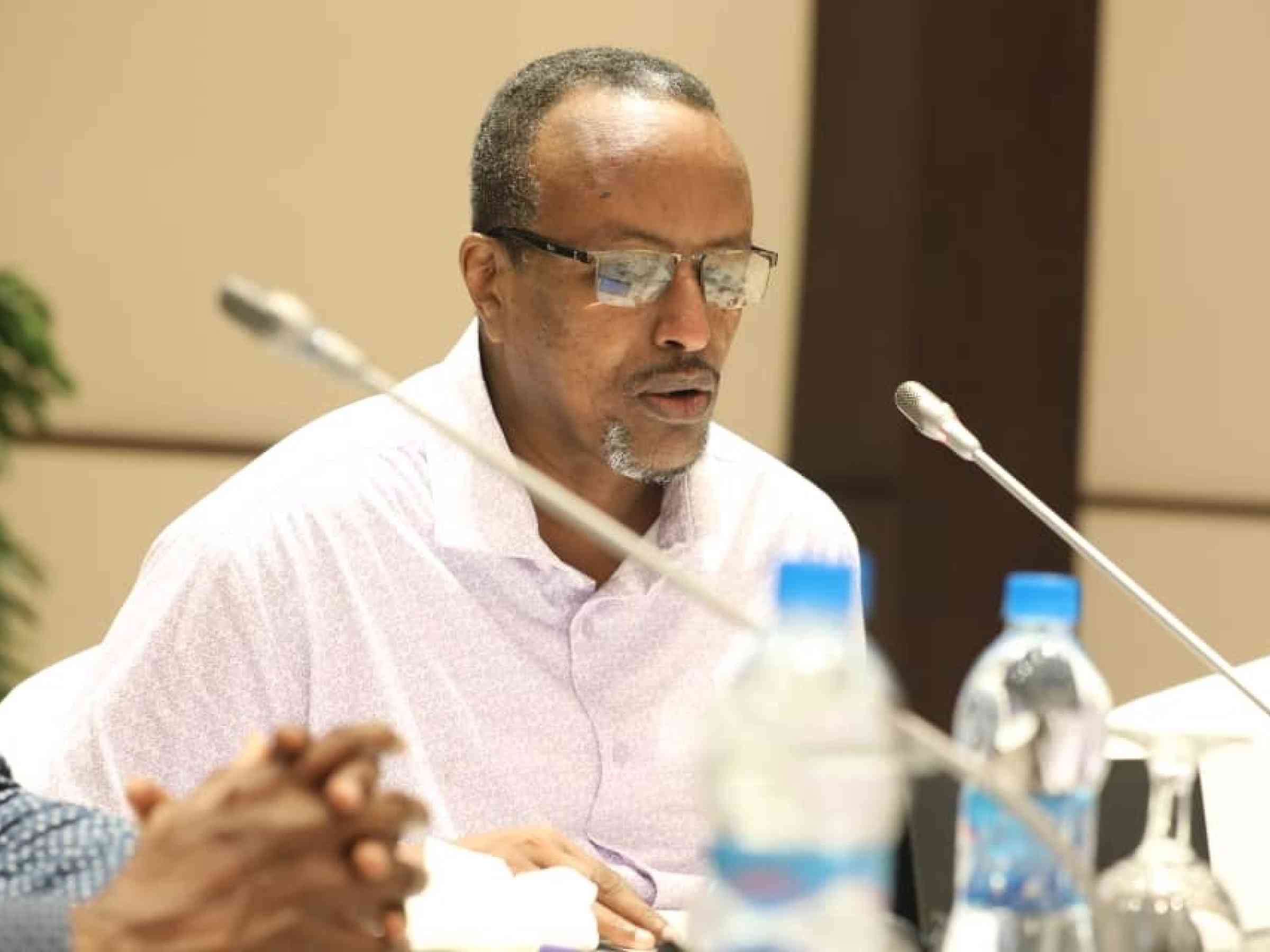
"This workshop marks an important milestone in our efforts to strengthen early warning systems in Djibouti. By consolidating data on hazards, exposure, and vulnerability, we are laying the foundations for a faster, more coordinated, and, above all, more effective response to disasters. Risk knowledge is at the heart of every resilience strategy. As the national coordination body, the SEGRC plays a central role in ensuring that this knowledge is translated into concrete actions that serve the population." Said Mr. Ahmed Mohamed Madar, the Djibouti executive secretary of disaster management.
Why this matters for Djibouti
Djibouti faces multiple climates and weather-related hazards, particularly floods and droughts, with dense urban exposure and critical infrastructure concentrated in coastal and wadi areas. Strengthening end-to-end early warning systems is therefore central to protecting lives and livelihoods and to accelerating risk-informed development.
What does the workshop deliver
- National EW4All Roadmap briefing: Overview of Djibouti's roadmap and priority actions under Pillar 1 (risk knowledge) to close gaps across the four EWS pillars.
- Hands-on data sessions: Practical work with disaster-loss (DLD) datasets and hazard data; mapping exposure and vulnerability; and compiling capacity information to support impact-based forecasting.
- From hazard to action: Two applied modules on action-oriented exposure characterization, translating maps and metrics into decision-ready insights for preparedness and response.
- Scenario building: Collaborative baseline scenario construction for priority hazards; definition of the "window of opportunity" for anticipatory action; stepwise refinement of scenarios.
- Messaging & triggers: Drafting risk-informed alert messages tailored to audiences and context; identifying trigger mechanisms to activate early actions in time.
- Synthesis & presentation: Consolidation of datasets and preliminary findings; group presentations of baseline scenarios and alert/trigger prototypes; closing discussion on roles and next steps.
Immediate outputs and next steps
- A preliminary baseline scenario for priority hazards, with initial exposure, vulnerability, and capacity layers.
- Draft templates for targeted alert messages and a first set of candidate early-action triggers for operational testing.
- Agreement to refine a data-sharing protocol and designate an inter-agency task team led by SEGRC with technical support from UNDRR and partners to finalize Pillar-1 deliverables and scale anticipatory action.
This workshop moves Djibouti closer to the EW4All goal of protecting everyone with multi-hazard early warning by 2027, while advancing implementation of the Sendai Framework (2015-2030) through better governance, risk-informed decision-making, and people-centered communication.