
Odisha pilots new Recovery Readiness Framework and Assessment tool
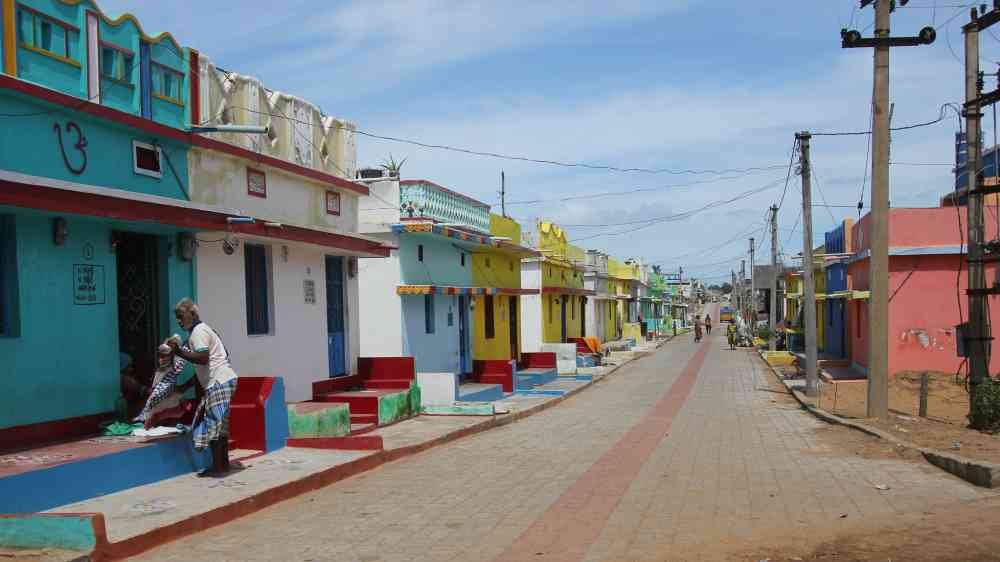
Odisha is one of India's most hazard-prone states, facing repeated cyclones, floods, droughts, and heatwaves. With a long coastline on the Bay of Bengal, it is particularly exposed to tropical storms, which have caused major loss of life and economic setbacks in the past. Yet, Odisha is also recognized for pioneering community-based preparedness, such as its cyclone shelters, evacuation systems, and early warning dissemination networks. Building on this experience, the state has become one of the first globally to pilot the Recovery Readiness Assessment Framework, a tool designed to help governments recover faster and build back better after disasters.
Developed by the G20 Disaster Risk Reduction Working Group, under the leadership of the International Recovery Platform, the Recovery Readiness Framework and Assessment Tool, provides countries with a structured way to identify and close critical gaps before the next disaster. Odisha, with support from UNDRR, is among the first to pilot the tool-testing it in three districts (Puri, Kendrapara, and Koraput) across the domains of Governance, Finance, Capacity, Data and Knowledge.
The Odisha pilot highlighted several opportunities to strengthen recovery readiness. At the district level, governance structures are in place but could be further integrated into routine planning processes. Existing data systems provide a strong foundation, yet greater interoperability would enhance their effectiveness. Financial readiness could be bolstered through expanded contingency funding and clearer disbursement procedures. Finally, while trained staff are available, recovery capacity can be reinforced by increasing surge staffing and expanding refresher training.
At the community level, anticipatory practices such as savings groups, early warning dissemination and traditional knowledge provided strong local models for resilience which could be scaled up. Many of these practices-like preparing dishes with a long shelf life-have evolved over generations as locally driven solutions enabling communities to recover after disasters. Their deeply contextual nature highlights the importance of engaging local communities in developing and strengthening existing recovery practices. Community participation has therefore been a key component of the tool's pilot in Odisha.
Dr Kamal Mishra, Executive Director of the Odisha Disaster Managment Authority, highlighted that 'Unless the community is involved, no work will be successful,' adding that'The tool is working and giving us insights on where we're standing [....] One finding is that each department has datasets in their own system. It's as as good as speaking different languages'.We need to integrate hazard, exposure and socioeconomic data systems in decision-making processes. We have already started working on it.'
Despite challenges-including data gaps, limited financial protocols for anticipatory action, and resource constraints-the pilot demonstrated strong leadership commitment, community engagement, and the value of participatory assessment processes. Lessons learned in Odisha will inform the global rollout of the framework, which will be made available to all Member States in 2026.