
UNDRR launches a Network of Corporate Chief Resilience Officers to embed disaster resilience into businesses
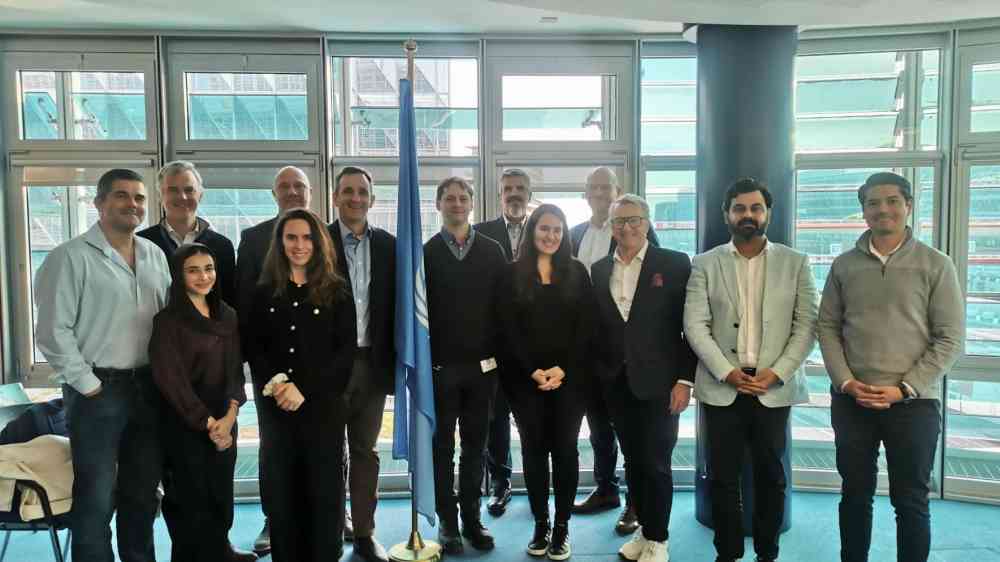
Geneva, 20 November 2024 - The United Nations Office for Disaster Risk Reduction (UNDRR) today announced the launch of a Network of Corporate Chief Resilience Officers (CCRO).
This initiative, part of the UNDRR's broader efforts to address the growing threat of natural and human-made hazards, aims to foster public-private collaboration and encourage businesses worldwide to take proactive measures in preparing for and mitigating disaster risks.
This aligns with the Sendai Framework for Disaster Risk Reduction 2015-2030, the global roadmap for reducing disaster losses by 2030. The Sendai Framework sets the fundamentals to facilitate an all-of-society approach, with a clear emphasis on the crucial role of the private sector in building resilience.
As the frequency and severity of extreme weather events intensifies, and technological risks increase, the impact of hazards on global supply chains has been profound and the economic and social tolls have been rising. At the same time, as the private sector is the largest source of investments, its decisions play a big role in creating or reducing disaster risks, including the extent of vulnerability and exposure of economic assets and the communities around them.
Kamal Kishore, the Special Representative of the United Nations Secretary-General (SRSG) for Disaster Risk Reduction and Head of UNDRR, says: "States alone cannot address all the drivers of disaster risk. We need the private sector to play a leading role and be part of the solution to reduce the vulnerability and exposure of communities and economic sectors to disasters. This network will accelerate the integration of disaster risk reduction into business models, ensuring that resilience is at the core of companies' decision-making."
This newly formed network brings together Chief Resilience Officers and resilience leads from Cartier SA, Holcim Group*, Honeywell International Inc.*, Hyatt Hotels & Resorts*, KPMG International Ltd., Marsh McLennan*, Nestlé*, Syngenta Group*, and Swiss International Air Lines Ltd., and Sky, with University College London as academic advisor to create and share good practices internationally. The Network aims to provide thought leadership to help businesses around the world reduce disaster risks, with the ultimate objective of strengthening the resilience of communities and economies.
Network members represent companies covering diverse sectors and have a combined workforce of over a million people globally with revenue exceeding USD 300 billion in over 100 countries. Given their large scale and extensive sector coverage, these companies can have a systemic impact on the private sector by promoting resilience measures throughout their supply chains.
The network will also work hand in hand with the ARISE Private Sector Alliance for Disaster Resilient Societies, a network open to all members of the private sector, where big and small enterprises work together to prevent disasters so their enterprises and communities can thrive.
As for the next steps, the Network of Corporate Chief Resilience Officers (CCRO) will produce in the coming months a Resilience Maturity Assessment (REMA) Tool. This public good will support any organization assessing its resilience and taking corrective actions. Other public resources will follow and be made freely available to help any organization better manage disaster risks and ultimately reduce the impact of disasters on societies.
For media inquiries, please email: [email protected]
* Early contributors that helped shape and establish the CRO network.
About the UN Office for Disaster Risk Reduction (UNDRR)
UNDRR is the lead agency in the United Nations on disaster risk reduction. It provides leadership, expertise, and tools to enable countries to understand and act on disaster risks before they become disasters. UNDRR's work is guided by the Sendai Framework for Disaster Risk Reduction 2015-2030, which aims to achieve a substantial reduction in disaster risk and losses by the year 2030.