
Investment in Latin America and the Caribbean between 2005 and 2021
The RAR24 presents a comprehensive compilation of investments made within the framework of international cooperation, detailing their sources and distribution by sectors and purposes during the period from 2005 to 2021. This report provides an in-depth view of how resources have been allocated to promote risk management in the region.

The RAR24 highlights the importance of promoting risk-informed development investment that contributes to enhancing countries’ resilience. Official Development Assistance was concentrated in social infrastructure and services, economic infrastructure and services, and productive sectors are identified as those where during 2005-2021.
One source of DRR financing is Official Development Assistance (ODA), which is provided in the form of loans or grants to developing (recipient) countries by OECD-DAC member countries and international organizations (creditors). There are also two other sources of DRR financing: official flows (subsidies, grants, loans, and other official transactions) and private flows (such as resources and donations from NGOs, remittances, debt, equity, and Foreign Direct Investment).
International cooperation investments aimed at financing development and DRM are provided through the Organisation for Economic Co-operation and Development (OECD) and are referred to as Official Development Assistance (ODA). ODA data is based on reports provided by the Development Assistance Committee (DAC), which consists of 30 members, as well as information from nearly 35 multilateral organizations, all recorded in the Creditor Reporting System (CRS). The 2024 RAR conducts its analysis based on this information, which is publicly accessible. To access the information, please visit the website: https://stats.oecd.org/.
The identification of DRR as a specific global objective was only included in 2018. Globally, the climate agenda receives the most funding from ODA, while specific funds for DRM in Latin America and the Caribbean between 2018 and 2021 represent a small percentage of the total assistance flowing to the region, with a focus on disaster prevention and response.
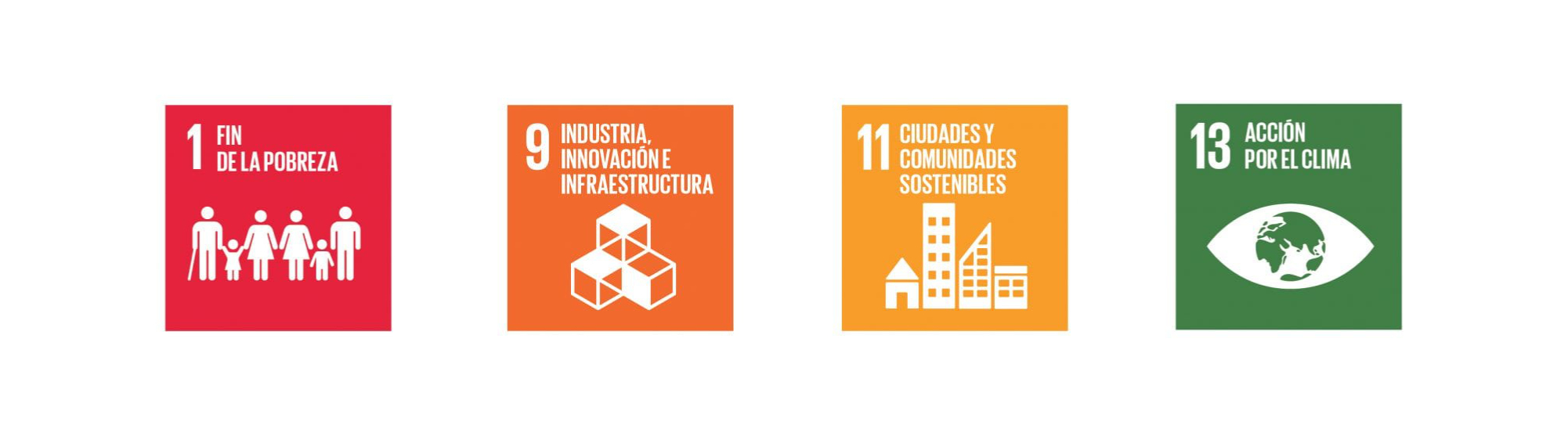
At the same time, investing in DRR contributes to the achievement of the Sustainable Development Goals (SDGs), particularly four of them: SDG 1: End poverty in all its forms everywhere; SDG 9: Build resilient infrastructure, promote inclusive and sustainable industrialization, and foster innovation; SDG 11: Make cities and human settlements inclusive, safe, resilient, and sustainable; and SDG 13: Take urgent action to combat climate change and its impacts.
To prevent social and productive infrastructure sectors from becoming generators of new risks, it is crucial to identify specific DRR actions in investments to reduce vulnerability and increase resilience.
Regarding prospective and corrective risk management in the region for the period 2005-2021, the report introduces the financing options that were available to Latin American and Caribbean countries.
Category 740, Prevention and Preparedness, is considered essential for building disaster response capacity and addressing multiple risks. This category represents a small percentage of total ODA in the region and was primarily funded by official flows.
Meanwhile, Multilateral Development Banks (MDBs) offered financing opportunities for the region, particularly projects addressing DRR. It is highlighted that generating complementarity between climate actions and disaster risk reduction remains a challenge. Projects funded by the IDB and World Bank for Latin America are emphasized, along with the International Development Association (IDA) and the International Bank for Reconstruction and Development (IBRD) for the Caribbean.
Additionally, MDBs provided credit instruments that include corrective and prospective actions to drive policy reforms or institutional changes in DRR. Given the credit activation conditions, it is essential for countries to demonstrate measurable results and have annual indicators for monitoring.
Thematic bonds present a financing opportunity for infrastructure and resilience projects, attracting the private sector and investors who, in addition to seeking financial returns, wish to contribute to society and the environment. In the region, Chile was the main issuer of bonds, followed by Mexico and organizations such as the Latin American Development Bank (CAF) and the Central American Bank for Economic Integration (CABEI).
The RAR24 addresses compensatory risk management in the region for the period 2005-2021. However, despite its potential to stimulate and expand the impact of corrective and prospective management, due to the lack of information, it is not possible to determine if these actions are complementary.
Both investments in Early Warning Systems (EWS) and in Anticipatory Action (AA) are where the link between humanitarian action and development is most visible, as they have the capacity to reduce losses and damages to people, assets, and livelihoods, and aim to anticipate the materialization of threats.

The Humanitarian Assistance category includes the Official Development Assistance (ODA) Category 720 for Emergency and Response, which covers assistance and relief services for people affected by crises (both refugees and internally displaced persons) and food assistance, primarily financed by ODA. It is emphasized that the assistance required to address growing losses and damages is much greater than the funds actually received, highlighting the gap between the required and available resources to address these needs.
Also within the Humanitarian Assistance category, the ODA Category 730 for Reconstruction, Relief, and Rehabilitation is presented, which refers to social and economic reconstruction after crises and disasters, enabling communities to restore their livelihoods after an emergency. Although most of the funds allocated to this category come from ODA, it represents a small percentage of the total ODA granted to the region. The RAR24 particularly highlights IDB and World Bank projects that address not only short-term recovery after a disaster but also long-term risk reduction.
The outlook presented by the RAR24 shows the potential of investments in Latin America and the Caribbean to contribute to resilient development, as long as they are properly informed by risk.
Direct investment in DRR in the region is low, which presents an opportunity to strengthen and expand specific financing mechanisms and instruments to reduce disaster risk.
Photo credit: Second, photo of Markus Spiske in Unsplash.