
From early warning to early action: How six countries are saving lives
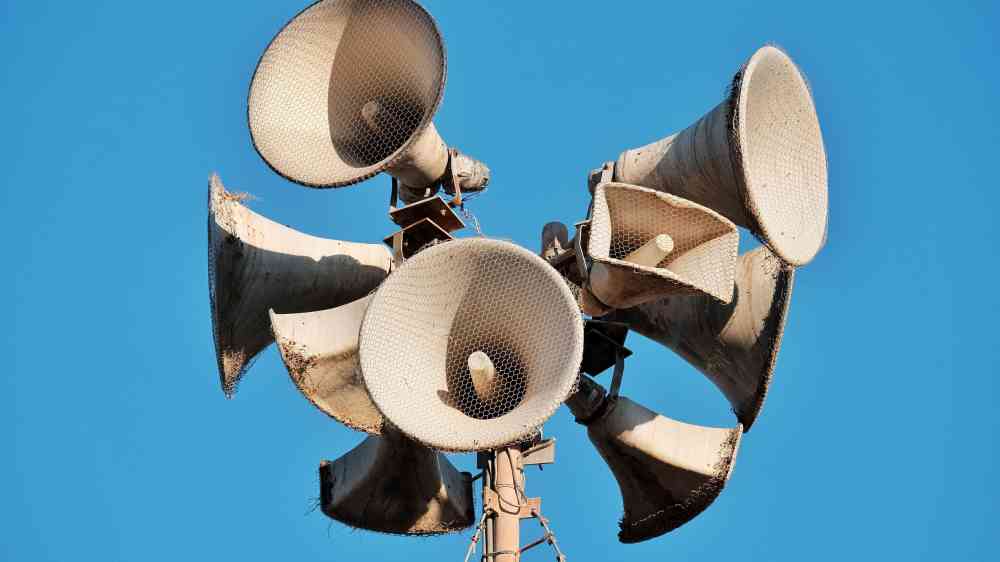
Early warnings can give people time to move to safety, protect their livelihoods, and prepare for a changing situation. Their effectiveness depends on how well information about a potential hazard is connected to decisions and action. A forecast needs to reach the right people, in a form they understand, with clear guidance on what to do next.
Multi-hazard early warning systems (MHEWS) bring together risk information, monitoring and forecasting, warning communication and preparedness to support this process. The following six country experiences illustrate how these connections work in practice and show how investments in technology, institutional coordination and community participation can strengthen early action.
1. Turning flood alerts into action in Trinidad and Tobago
The severe floods of 2018 exposed gaps between forecasting and local action in Trinidad and Tobago, with warnings failing to reach some communities in time for an orderly evacuation. The Community Flood Early Warning System was developed to address these gaps. Since 2019, automated stream gauges have been installed in 15 previously ungauged, flood-prone communities. River-level measurements help authorities issue flood alerts, which trained community flood wardens relay through WhatsApp, social media, sirens where available, and door-to-door notification. Response plans developed with residents identify responsibilities and households needing evacuation assistance. Project reports indicate fewer rooftop rescues and increased efforts to position relief supplies before flooding occurs, showing how monitoring and trusted local networks can support preparedness.
See how community flood warnings reach those at risk in Trinidad and Tobago.
2. From tsunami warnings to safe evacuation in Ecuador
In July 2025, a powerful earthquake near Russia’s Kamchatka Peninsula generated a Pacific-wide tsunami threat, testing Ecuador’s early warning capabilities. Authorities assessed international bulletins and activated warning arrangements for the Galápagos, adapting messages originally designed for a larger, local tsunami. Overnight, authorities suspended maritime activities and advised people to stay away from beaches and coastal areas while following official updates. The following morning, Cell Broadcast messages and community communication channels supported the precautionary evacuation of more than 2,300 people. Safe zones and evacuation routes have been identified and practised in advance, helping people move without major difficulty. Monitoring continued until authorities cancelled the alert and people could return home.
Discover how Ecuador turned tsunami warnings into safe evacuations.
3. Anticipating mountain hazards in Kyrgyzstan
In Kyrgyzstan, advance warning has helped mountain communities move to safety and reduce potential flood impacts. In August 2024, forecasts alerted authorities before an outburst at Lake Zyndan, enabling more than 400 residents of Tuura-Suu village to relocate while authorities closed roads and worked to divert the main flow away from the settlement. That same month, advance warning at Lake Kol-Tor enabled authorities to lower the water level by siphoning water, averting an outburst altogether. These actions were made possible by improvements to the national system for monitoring and forecasting hazards, an expanded network of observation stations, and a wider range of warning channels. The Kyrgyzstan 112 mobile application also allows residents to submit incident reports directly to the crisis management system, improving authorities’ assessment of conditions on the ground.
Learn how early warnings help protect mountain communities in Kyrgyzstan.
4. Preparing for drought with water data in Tuvalu
Across Tuvalu’s nine low-lying islands, rainwater harvesting is essential to freshwater supply. The Tuvalu Water Resource Tool helps anticipate how long supplies will last by combining short-term and seasonal rainfall forecasts with information on household rainwater harvesting systems and water consumption. It estimates future tank levels and the number of days of water remaining at household, community, and island levels. These estimates help the National Drought Committee decide when to advise communities to conserve water and increase freshwater production using reverse osmosis units. Household surveys across all nine islands informed the tool’s development, while comparisons with actual tank levels helped validate its short-term predictions.
Explore how water data supports drought preparedness in Tuvalu.
5. Better coordination and faster action in the United Republic of Tanzania
Severe rainfall during the 2023–2024 El Niño event exposed difficulties in sharing disaster information across institutions in the United Republic of Tanzania. Inaugurated in June 2024, the Emergency Operations and Communication Centre helped address these gaps. With UNDRR support, staff from the Tanzania Meteorological Authority and the Ministry of Water work together using a common dashboard to analyse risk information and produce bulletins and advisories in English and Swahili. By July 2026, the centre had issued more than 200 jointly produced bulletins and advisories. Its situation room operates day and night during high-risk periods, while simulation exercises help test procedures and clarify responsibilities.
See how stronger coordination supports earlier action in the United Republic of Tanzania.
6. Building resilience amid crisis in Yemen
Conflict, displacement and fragile infrastructure make early warning particularly challenging in Yemen, where floods, cyclones, drought and disease outbreaks compound existing pressures. Despite these constraints, a network of 49 functional meteorological stations supports forecasts and warning bulletins, with meteorological services maintaining 24-hour operations. Health authorities and partners are also improving disease surveillance and emergency response. At community level, a UNESCO project supported by Japan established flood early warning systems in the Old Walled City of Shibam-Hadhramaut and the Old City of Sana’a, alongside awareness-raising activities and technical training. Preparedness campaigns reached 71,000 people through educational materials, 2.1 million through radio and 2.8 million through social media.
Discover how Yemen is strengthening early warnings.
These country experiences show how early warning systems become effective through practical arrangements that help people act on risk information. Community flood plans, rehearsed evacuation routes and forecasts of household water availability make warnings relevant to the decisions people face. Sustaining these arrangements requires continued investment in the institutions, infrastructure and local capacities that make early action possible.