
Learning from the past: How Shinwa Kogyo strengthened business continuity and community preparedness in Japan
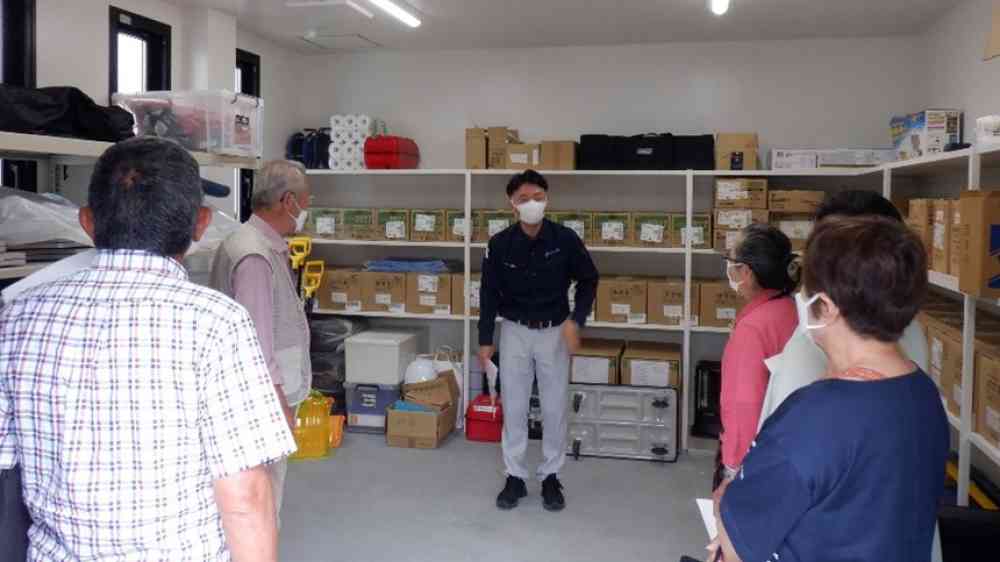
For many SMEs, resilience is shaped by lived experience. In Sendai, Japan, Shinwa Kogyo Co., Ltd. understands firsthand the impact disasters can have on businesses and communities. Through UNDRR’s Strengthening the Disaster Resilience of SMEs initiative, the company has transformed those experiences into practical strategies that strengthen both its operations and its ability to support recovery efforts.
From disruption to determination
Founded in 1967 in Sendai City, Shinwa Kogyo plays an important role in the Miyagi Prefecture much beyond its size. With just 22 employees, the company helps maintain critical infrastructure such as roads, rivers and sewer systems, and contributes to local disaster recovery under agreements with the city.
However, in 2019, Typhoon Hagibis exposed a critical vulnerability. Flooding rendered the company’s headquarters inaccessible, forcing a halt to operations for several days at a time when its services were urgently needed. Despite its commitment to support post-disaster recovery, Shinwa Kogyo was unable to even establish a disaster response base.
This experience marked a turning point. It underscored a fundamental reality: SMEs cannot effectively support community resilience without first ensuring their own operational continuity.
Turning lessons into action
Shinwa Kogyo had understood the importance of business continuity and BCP development. Therefore, aligned with Sendai city’s efforts to enhance SME resilience, supported by UNDRR, Sendai City recognized this company’s previous efforts and presented it as good practice for the project. Shinwa Kogyo undertook a comprehensive review of its risk exposure and realized the importance of establishing a business continuity system before facing another hazard. The company moved beyond theoretical planning to implement practical, operational measures.
A key priority was risk-informed decision-making. The company relocated its headquarters from a flood-prone area identified in hazard maps to a safer location, reducing exposure to future disruptions. Recognizing that resilience sometimes necessitates redundancy, it also established a second office in Osaki City, ensuring that operations could continue even if one site is disrupted.
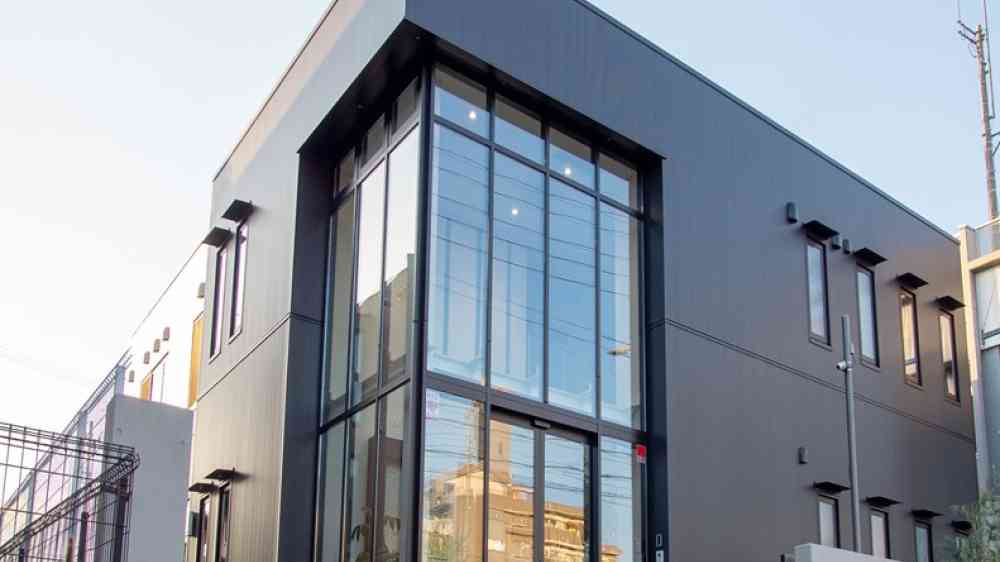
To further strengthen its resilience, Shinwa Kogyo invested in disaster-resilient infrastructure. Its new headquarters is equipped with solar panels, backup batteries, water storage, emergency sanitation facilities and food supplies. Importantly, the facility doubles as an evacuation site for local residents, bridging business continuity with support for community resilience.
Digital tools and communication systems were also enhanced. The company introduced a safety confirmation application to maintain real-time communication with employees during emergencies, alongside cloud-based systems to enable remote coordination when physical access is restricted.
Embedding a culture of preparedness
Beyond infrastructure improvements, Shinwa Kogyo recognized that in the end resilience depends on people. Having a business continuity plan (BCP) is not sufficient if employees are not aware of and able to follow it. Therefore, the company introduced regular training sessions and disaster drills to ensure that employees understand their roles and can act quickly during emergencies. This shift has helped embed a culture of preparedness across the organization.
As President Mr. Toru Kasahara noted: “The mindset of being prepared every day has become integral to our work culture.”
In recognition of its efforts, Shinwa Kogyo obtained a Business Continuity Plan (BCP) certification from regional authorities, the Tohoku Regional Development Bureau. This not only validated the company’s approach but also enhanced its credibility with partners and public institutions. To further increase trust and build awareness among residents, the company also engages in community engagement activities such as clean-up initiatives and information sessions.
A model for SME resilience
Today, Shinwa Kogyo is better equipped to withstand and respond to disruptions. Its dual-site operations, resilient infrastructure and trained workforce ensure continuity even in a high-risk environment. At the same time, its role in supporting the community has been reinforced.
This integrated approach also reflects a core principle of the UNDRR initiative: resilient businesses are essential partners in building resilient communities.
The company’s journey illustrates how SMEs can move from reactive recovery to proactive resilience. By learning from past disruptions and investing in practical solutions, Shinwa Kogyo demonstrates that even small enterprises can play a leading role in disaster risk reduction, benefiting both business and society.