UNDRR News

The latest news from the United Nations Office for Disaster Risk Reduction (UNDRR), the lead UN agency for the coordination of disaster risk reduction (DRR).

United Nations Office for Disaster Risk Reduction – Regional Office for the Americas and the Caribbean
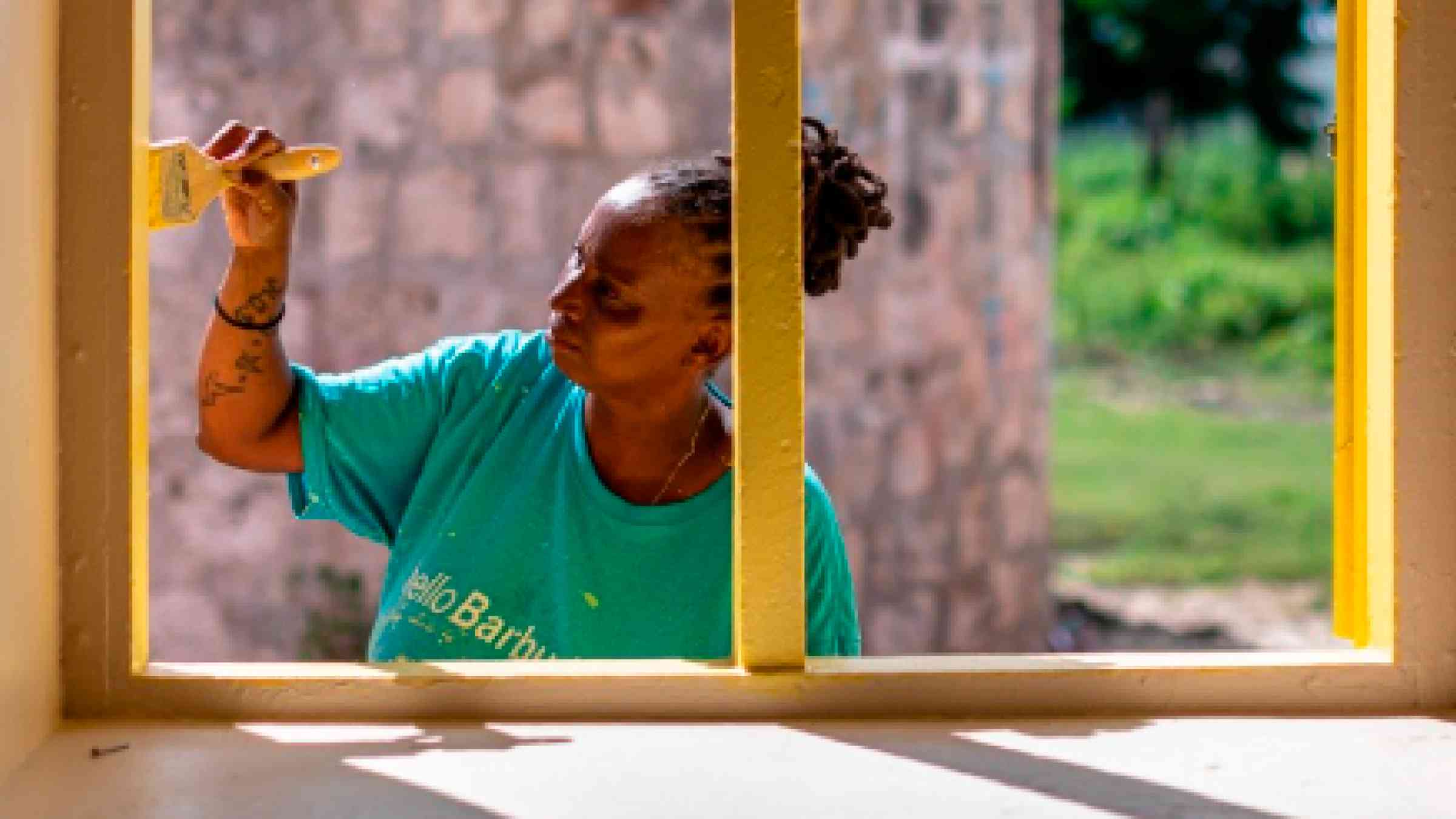
Women in the Caribbean
Feature

PANAMA CITY, Panama, 9 March, 2020 - Alert systems designed to warn Caribbean communities of approaching hazards should be better tailored to reach women who are most likely to be impacted, said delegates at last December's Comprehensive Disasters

United Nations Office for Disaster Risk Reduction – Regional Office for the Americas and the Caribbean
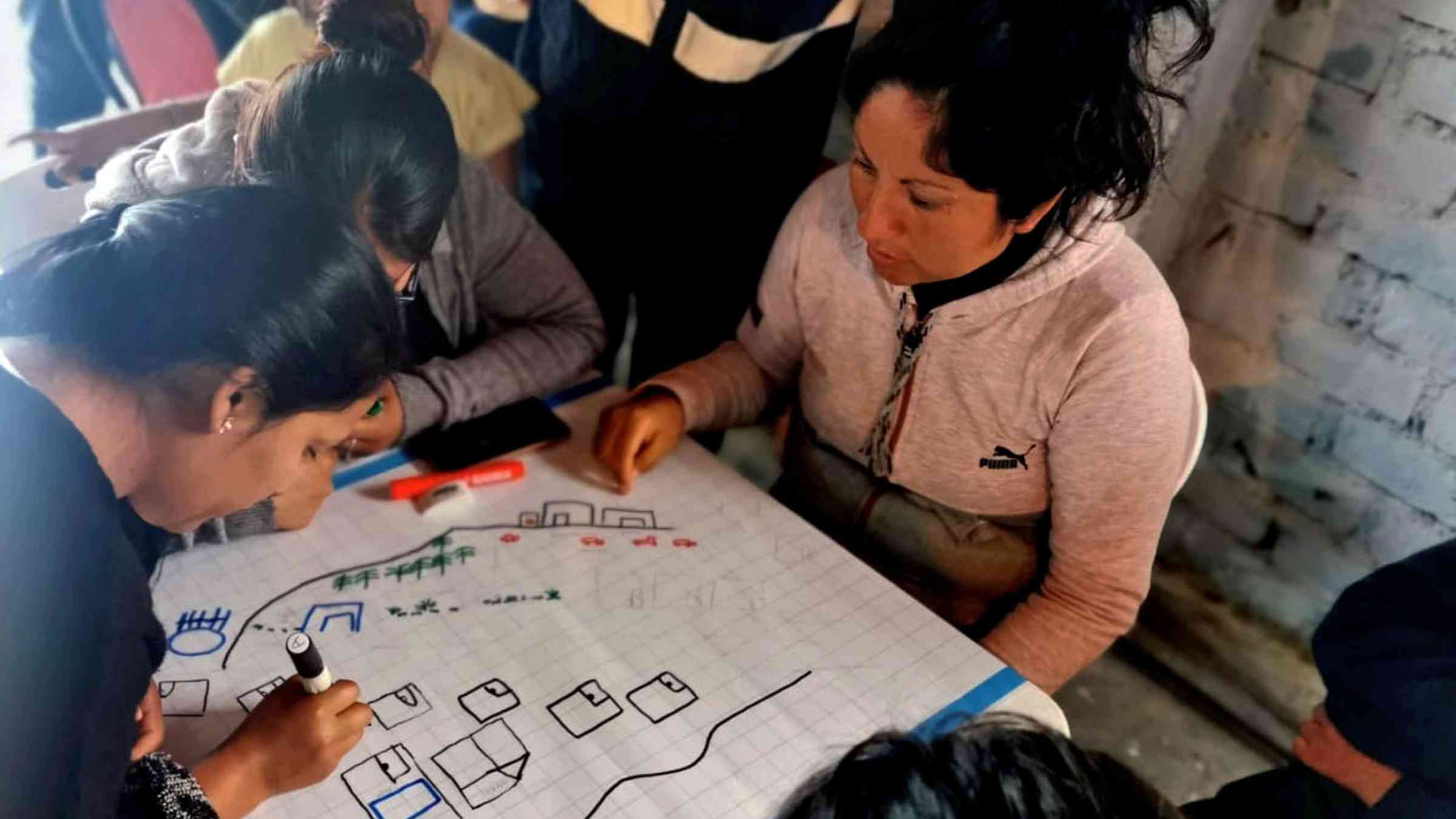
Las mapeadoras trabajando
Feature

Ciudad de Panamá, Panamá , 9 de marzo 2020 - Cuando la campesina Haydee Rodríguez habla, la gente escucha. Lo hacen porque su mensaje es poderoso: el valor de la comunidad en la reducción de riesgo y, más importante aún, el valor de las mujeres como

United Nations Office for Disaster Risk Reduction – Regional Office for the Americas and the Caribbean
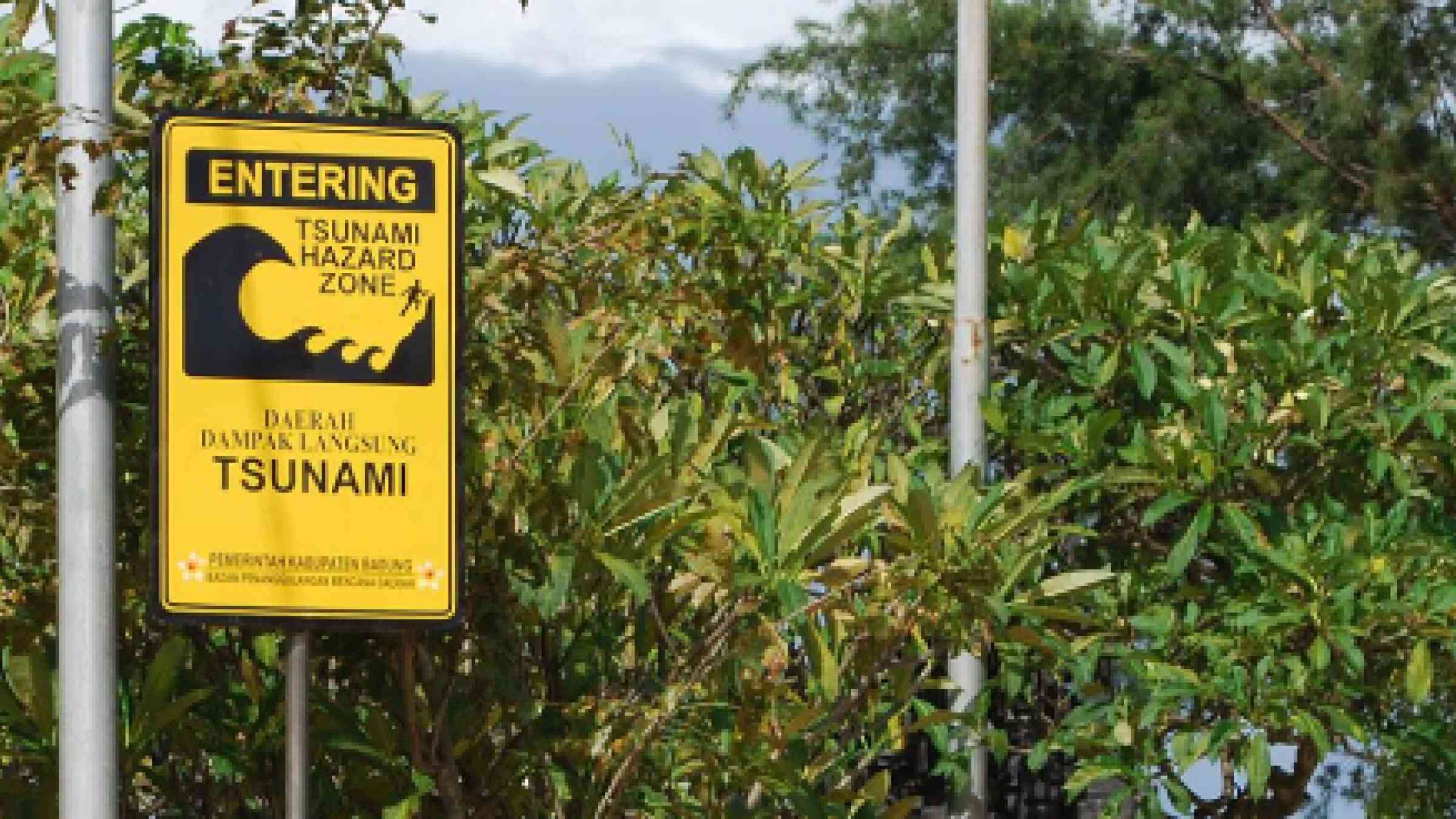
Warning sign reading "Tsunami hazard zone"
Update

From blowing conch shells to ringing church bells and sending mobile phone alerts, Caribbean countries are looking at high and low-tech ways to alert citizens to run for safety in the face of tsunamis which could wreak havoc on unprepared communities.

United Nations Office for Disaster Risk Reduction – Regional Office for the Americas and the Caribbean
Update

Boosting economic growth, insurance and disaster funds, and embracing the private sector would help bolster Caribbean countries that need to invest in resilience.

United Nations Office for Disaster Risk Reduction – Regional Office for the Americas and the Caribbean
Update

Early warning systems, community resilience, and protecting economies in the Caribbean topped the agenda at Sint Maarten’s Comprehensive Disaster Management conference.

United Nations Office for Disaster Risk Reduction – Regional Office for the Americas and the Caribbean
Update

Kingston hosts workshop ‘Disaster Risk Reduction and Making Cities Resilient’, aiming to localize the global objectives of the ‘Making Cities Resilient’ campaign.

United Nations Office for Disaster Risk Reduction – Regional Office for the Americas and the Caribbean
Update

From blowing conch shells to ringing church bells and sending mobile phone alerts, Caribbean countries look at high and low-tech ways to alert citizens of tsunamis.

United Nations Office for Disaster Risk Reduction – Regional Office for the Americas and the Caribbean
Update

Mami Mitzutori, UNDRR Special Representative of the Secretary General, visits Chiapas to see how an earthquake-struck village rebuilds and communities boost resilience.

United Nations Office for Disaster Risk Reduction – Regional Office for the Americas and the Caribbean
Update

Jamaica on track for successful hosting of Seventh DRR Regional Platform in Americas and Caribbean, hoping to bring together key stakeholders and foster collaboration.

United Nations Office for Disaster Risk Reduction – Regional Office for the Americas and the Caribbean
Update

Panama canal’s water levels are vulnerable to extreme weather. The need to retrofit aging structures is crucial in Panama, and more widely across the Americas.

United Nations Office for Disaster Risk Reduction – Regional Office for the Americas and the Caribbean

You might also find these helpful

Cover- Shutterstock main report
Publications
We produce a range of publications by collecting and analysing risk data through a range of tools, knowledge products, and mobilising like-minded partners.

Cheerful young black lady leading international group of protestors
Campaigns
Our communications and advocacy campaigns call for taking action today to protect people and prevent disasters from happening.
Media Centre Thumb
Media centre
Access to a range of multimedia resources related to disaster risk reduction, including news releases, photos, videos, and other materials.
WIN DRR Leadership Awards
DRR Awards
These awards not only celebrate exemplary contributions but also encourage efforts to build more resilient societies.