
UNDRR trains Baltic States practitioners on disability-inclusive disaster risk reduction
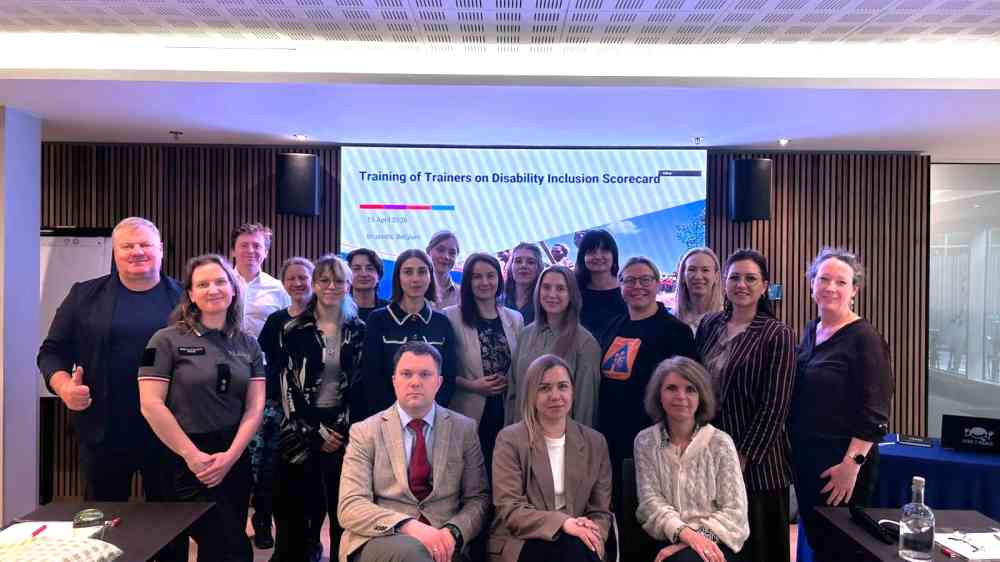
Brussels, 16 April 2026 – On 15 April 2026, the United Nations Office for Disaster Risk Reduction (UNDRR) facilitated a Training of Trainers (ToT) on disability inclusion in disaster risk reduction (DRR) in Brussels, marking the opening day of the three-day READY Baltics Kick-off Meeting organized by the European Disability Forum (EDF).
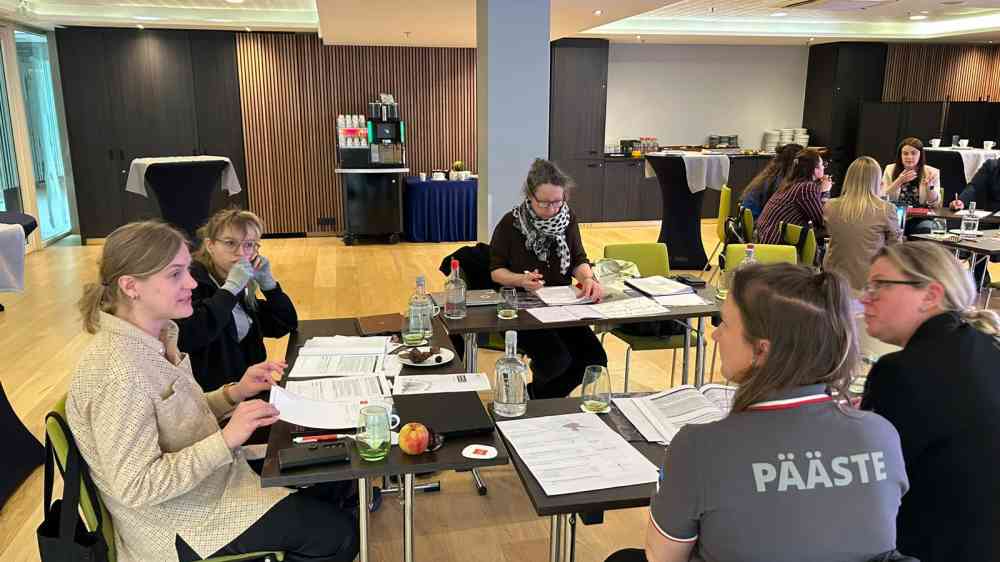
The training brought together practitioners from the Organizations of Persons with Disabilities (OPDs) and national civil protection authorities from Latvia, Lithuania, and Estonia — introducing them to the MCR2030 Disaster Resilience Scorecard for Cities – Annex for Inclusion of Persons with Disability, a practical tool developed under the Making Cities Resilient 2030 (MCR2030) initiative to help local authorities assess and strengthen disability inclusion across their DRR strategies and action plans. The Scorecard guides cities through a structured self-assessment, identifying gaps and opportunities to ensure that persons with disabilities are meaningfully included in preparedness, response, and recovery planning.

The session generated strong engagement and enthusiasm from participants. Feedback across the group highlighted both the practicality and immediate applicability of the tool in Baltic national and local contexts.
“The participants very much enjoyed both the content and the style of the training, and many shared that they had learned a lot. It was a great first step, and we look forward to continuing this collaboration with UNDRR on the next steps and future opportunities,” said Phillipa Tucker, Coordinator for Central and Eastern Europe of the EDF.
The response from participants was particularly encouraging. A representative from Lithuania noted that the training had already sparked concrete ideas and expressed their intention to apply the Scorecard in their city as early as possible.
Persons with disabilities are disproportionately affected by disasters and face different and uneven levels of resilience and capacity to recover. Many are socially or logistically isolated and lack access to evacuation warnings and appropriate transportation — underscoring the urgent need to consult and fully engage persons with disabilities in the development and implementation of national and local DRR strategies.
The READY Baltics project, led by EDF and funded by the European Commission's Directorate-General for European Civil Protection and Humanitarian Aid Operations (DG ECHO), aims to strengthen disability-inclusive disaster preparedness across the three Baltic States. The kick-off meeting, held over 15–17 April in Brussels, also included a DG ECHO Grantees Meeting and a Partners' Planning Session.
UNDRR's participation in the READY Baltics Kick-off reflects its broader commitment to mainstreaming disability inclusion across urban resilience and DRR work in Europe and Central Asia, in line with the Sendai Framework for Disaster Risk Reduction 2015–2030 and the UN Disability Inclusion Strategy.
About the MCR2030 Disability Inclusion Scorecard
The Disability Inclusion Scorecard is an annex to the MCR2030 Disaster Resilience Scorecard for Cities, providing local governments with a structured tool to assess disability inclusion across ten essential areas of urban resilience. It was developed in collaboration with disability-led organizations and DRR practitioners.
About READY
Baltics READY (Resilience, Equity, Accessibility and DisabilitY inclusion) Baltics is a regional initiative strengthening disability-inclusive civil protection and disaster risk management (CP/DRM) in Estonia, Latvia, and Lithuania. The project recognizes that inclusive preparedness is not a niche issue. It is a foundation for safer, more resilient societies for everyone. The initiative is funded by the European Commission ECHO Unit.