
Tajikistan reviews progress on national early warning systems roadmap
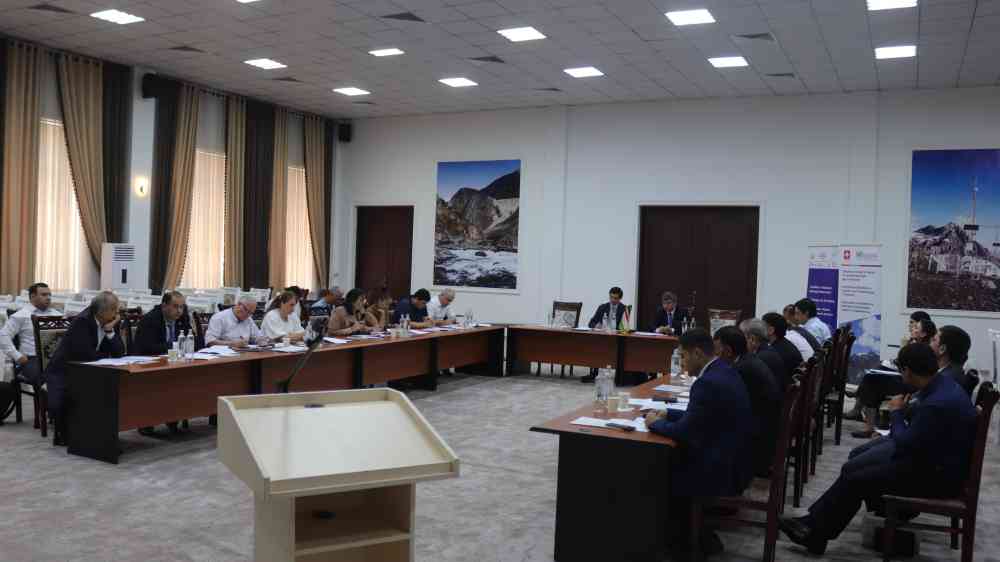
Dushanbe – On 15 June 2026, Tajikistan National Pillar Leads convened the second coordination meeting with relevant state agencies and international partners to review the implementation of the National Roadmap on Enhancing Early Warning Systems for 2024–2027.
Tajikistan continues to actively strengthen its EWS to reduce disaster damage, building on the official launch of the global Early Warnings for All (EW4All) Initiative in August 2023 and the subsequent adoption of the national EWS Roadmap in July 2024. The meeting brought together representatives from national ministries, government agencies, international organizations, development partners, and specialized institutions to assess the progress made across all four key pillars of the Roadmap.
The discussion, led by the Agency for Hydrometeorology of the Committee for Environmental Protection under the Government of the Republic of Tajikistan, focused significantly on the current state of play under Pillar 2 (Detection, Observations, Monitoring, Analysis, and Forecasting). The Agency presented the findings of its comprehensive analytical report on the status of Pillar 2 implementation from 2024 to 2026, highlighting major advancements in expanding the country’s observational networks and modernizing forecasting technologies for hazardous hydrometeorological events.
Key technical milestones achieved under Pillar 2 were shared, showcasing substantive progress that positions Tajikistan well at the regional level. These include the successful integration of the SMARTMET Alert system, the active operation of the Central Asia Flood Early Warning System (CAFEWS) and the Central Asian Flash Flood Guidance System (CARFFGS), the rehabilitation of critical hydrological stations, and deepened collaboration with international bodies such as the World Meteorological Organization (WMO), the Asian Development Bank (ADB), and the European Centre for Medium-Range Weather Forecasts (ECMWF).
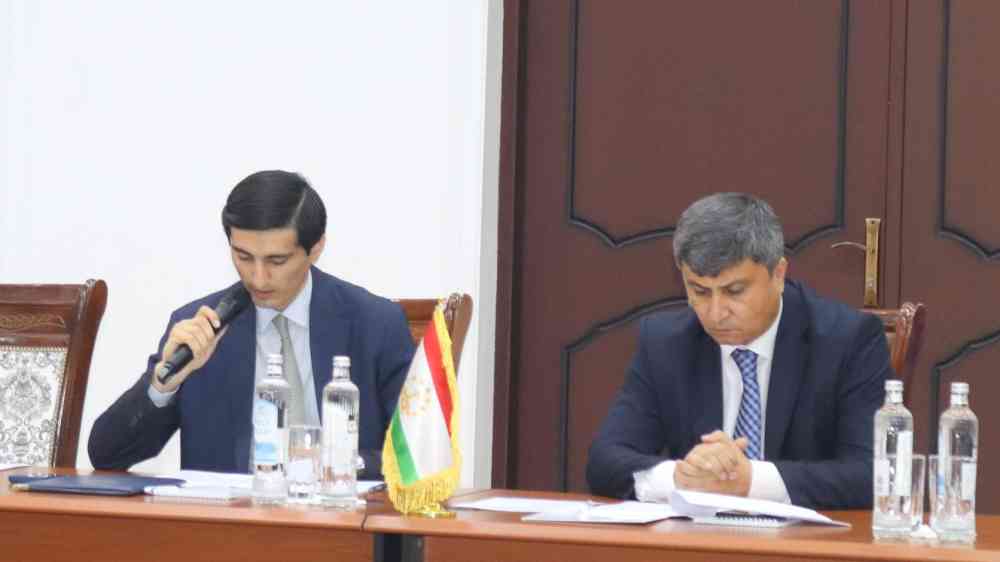
Despite these achievements, participants stressed that to fully accelerate implementation, there remains a vital need to further strengthen inter-agency coordination. Key priority actions identified during the discussions included the urgent digitalization of hydrometeorological data, the institutionalization of a Multi-Hazard Early Warning System (MHEWS), and the advancement of Impact-Based Forecasting (IBF) to make risk information actionable for the population. Mobilizing additional targeted technical and financial support was also emphasized as a critical next step.
The meeting concluded by reaffirming that a robust national early warning system serves as a cornerstone for ensuring sustainable development, protecting the population and building Tajikistan's long-term resilience against escalating climate and hydrometeorological risks.
The event was co-organized by the Agency for Hydrometeorology and the United Nations Office for Disaster Risk Reduction (UNDRR) and supported by the joint UNDRR and Government of Switzerland project “Strengthening Resilience to Disasters and Climate Change in Tajikistan”. Within the framework of this joint project, UNDRR provides continuous support to Tajikistan in capacity building for risk governance, active stakeholder engagement, and improving risk knowledge management and data collection to enhance early warning capabilities across the country.