
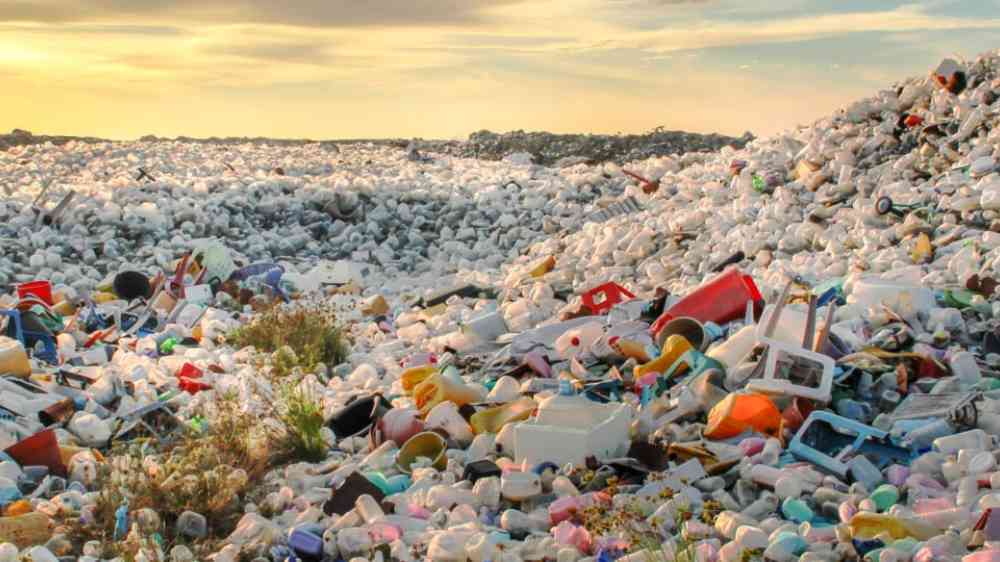
Illustrative image of the Thilafushi waste disposal site
When the United Nations warned that the world is failing to curb methane emissions, the message went far beyond climate science. It signalled a wider risk to economic stability, social development, and countries' ability to recover from shocks.
Methane is the second-most important greenhouse gas after carbon dioxide, trapping more than 80 times as much heat as CO₂ over a twenty-year period. Although it remains in the atmosphere for a decade, its warming power acts fast, driving near-term surges in heatwaves, droughts, wildfires, and food-system stress. Methane effectively accelerates the climate clock.
Its footprint is uneven, but its impacts are felt everywhere. As map 1 shows, emissions concentrate around energy-production hubs and agricultural heartlands, precisely where exposure to floods, droughts, and heat extremes is already high. In these regions, methane acts as a quiet accelerant, magnifying losses and slowing down recovery.

According to the UNEP's International Methane Emissions Observatory, nearly 90 per cent of large methane leaks detected by satellite remain unrepaired. Despite pledges by more than 150 countries to cut emissions by 30 per cent this decade, progress is stalling. The result is a feedback loop: as methane accelarate global warming, disasters strike more often, leaving less time and fiscal space for communities to rebuild before the next one hits.
The experience of global warming is shaped not only by income or institutions, but by the stability of the systems we depend on, including the climate itself. A warmer planet slows down recovery. Each additional degree intensifies hazards, drains public budgets, and compounds debt. Methane, with its rapid warming effect, acts as a hidden brake on global recovery. And disaster risk is rarely driven by a single factor. As GAR2025 emphasized, today's crises are systemic: one hazard fuels another, and vulnerabilities in health, energy, or agriculture amplify the impacts. Each tone of unmitigated methane increases Average Annual Losses (AAL), heightens fiscal stress, and delays growth. Reducing methane is therefore both climate mitigation and macroeconomic risk management.
Fast methane cuts could slow near-term warming by as much as 0.3 °C by mid-century and cost-effective solutions already exist: leak detection and repair in the oil and gas sector, banning routine flaring, capturing methane from waste and agriculture. Most have short payback periods and deliver co-benefits such as cleaner air and energy savings. Yet implementation lags because of weak governance, fragmented monitoring, and misaligned incentives.
Government do have tools: The G20's Recovery Readiness Assessment Framework defines readiness as the capacity to rebuild better and faster, without locking in future risk. Methane abatement is an example of such readiness at the planetary scale. It addresses a major risk amplifier before it compounds other hazards. It buys the world crucial time to adapt and stabilize.
In a world where resilience dividends are rare, methane reductions offer one of the quickest returns. They deliver climate, health, and economic gains within a single political cycle, exactly the kind of visible progress that can sustain global ambition for climate action.
By acting on methane, we are not just cooling the planet. We are speeding up recovery. We are investing in our future prosperity.