
Ghana strengthens its disaster resilience with better data
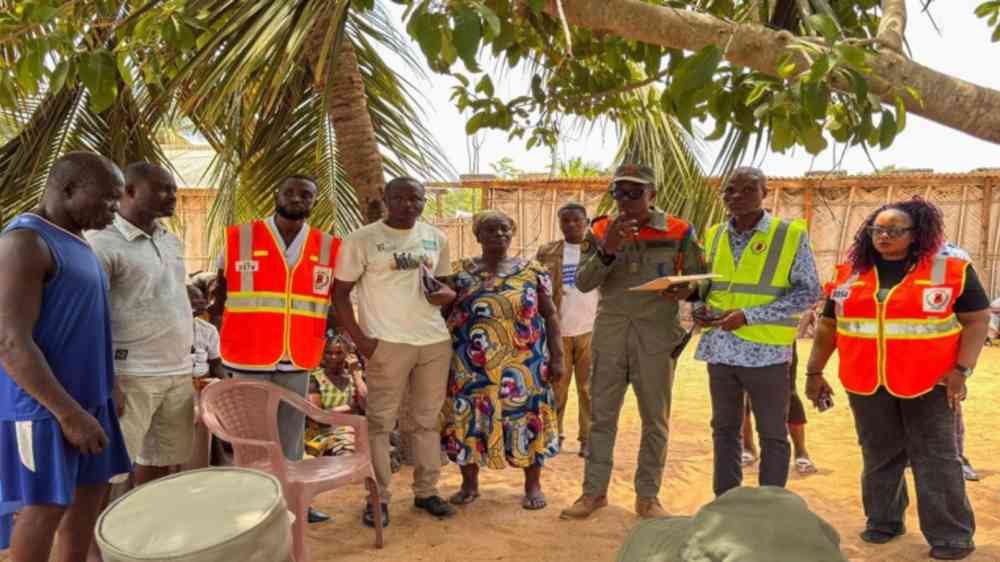
Relief administration by staff of NADMO for tidal wave affected victims at Keta, Volta Region
From recurrent floods to severe storms to prolonged dry spells, disaster risk linked to natural hazards continues to pose significant challenges to Ghana's development. These hazards, amongst the county’s most persistent, directly threaten agriculture, one of the country's largest economic sectors. As reported by the World Bank, agriculture was estimated to employ 32% of Ghana’s total workforce in 20241. The impacts of drought and flood incidents on crops therefore put both livelihoods and food security at risk.
Other major sectors like energy, transportation, and health are greatly affected by disasters, with frequent disaster-related disruptions causing widespread financial damage and service interruptions. Ghana's National Disaster Management Organization (NADMO) reports that an estimated $150 million was lost in disaster-related damages in 2025, making clear that viable solutions for more effective disaster resilience must be found.
A key step in preventing these risks from becoming disasters is to invest in better disaster data. To achieve this, Ghana has taken steps to improve how risk information is collected, analyzed and used to inform resilience planning and decision-making across sectors.
NADMO, Ghana’s primary agency for disaster risk reduction, is migrating to the DELTA Resilience Information System (which stands for Disaster and Hazardous Events, Losses and Damages Tracking and Analysis). DELTA Resilience provides technical solutions and institutional guidance for establishing comprehensive, nationally owned disaster tracking systems. This transition reflects Ghana's commitment to building a more comprehensive and coordinated approach to disaster risk reduction, by using richer and more accessible data.
In February 2026, NADMO approached the United Nations Office for Disaster Risk Reduction's (UNDRR), for support in migrating to the DELTA Resilience system. Since 2017, Ghana has used DesInventar, DELTA's previous iteration, to track disaster events. However, growing demand for more detailed data collection and analysis led NADMO to explore new options.
One key motivation behind Ghana's migration was having stronger data to support disaster preparedness and response. When disaster data is effectively disaggregated, emergency responders can better understand the needs of the populations affected by disasters, and tailor their support accordingly.
"In most cases when a disaster occurs, we are supposed to respond within 72 hours by giving relief to disaster victims," explained Dr. Esther Owusu, Head of Policy Planning, Monitoring and Evaluation at NADMO. "When collecting relief items from our warehouses, items like clothing, food, or sanitary towels, we need to know exactly which items to bring to affected communities. To understand which genders and age groups have been affected, or if there are elderly people or persons with disabilities, and act accordingly.”
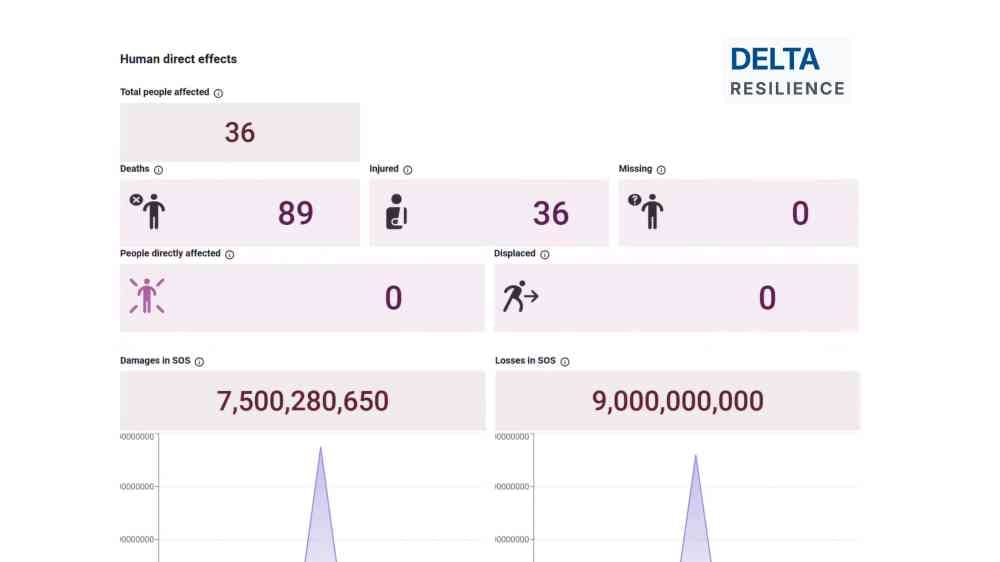
A screenshot from the DELTA Resilience platform
By migrating to DELTA Resilience, NADMO expects data disaggregation capabilities to expand. The platform helps to generate real time data from the local to the national level, necessary to making effective decisions during disaster response. It also assists countries with tailoring the exact level of disaggregation needed to their unique needs. The platform's analytical functions and geographic mapping tools will provide greater visibility into disaster trends, hazard hotspots and the impacts experienced by communities across the country.
For Ghana, one of the most significant benefits of DELTA Resilience lies in its potential reduction of data fragmentation. The system achieves this by strengthening collaboration among institutions involved in disaster management. Currently, multiple agencies contribute information on different hazards. But by creating a centralized national repository for disaster data, DELTA will support more consistent reporting and provide decision makers with a clearer picture of disaster risks and disaster impacts across multiple sectors.
"We are looking at improving data-driven policies and investment decisions," said Dr. Owusu. "Accurate loss and damage data will demonstrate to the government that investments in resilient infrastructure are worthwhile."
NADMO's migration to DELTA Resilience is being carried out in phases, beginning with assessing their existing disaster impact data, reporting workflows, and institutional requirements. Historical disaster records are being reviewed and standardized to ensure a smooth transfer of information into the new platform.
To support long-term sustainability, Ghana has opted to host the platform through the national government data centre rather than on local infrastructure. This arrangement provides the platform with a reliable power supply and internet connectivity, ensuring the system remains accessible when needed most. NADMO also plans to roll out comprehensive training programmes to ensure staff at national, regional and district levels can effectively use the new system.
The information generated through DELTA Resilience is expected to benefit several sectors critical to Ghana's development. For the agricultural sector, improved data will help authorities to accurately assess the impacts of prolonged dry spells, pest outbreaks and other climate-related hazards that threaten food security. The platform will also support analysis of disaster impacts on housing, infrastructure, education, and healthcare, particularly as flooding and severe storms continue to affect communities across the country.
By strengthening access to reliable disaster data across sectors, NADMO hopes to improve preparedness, resource allocation and long-term resilience planning.