
Disaster losses are far higher than insurance industry estimates as invisible impacts go uncounted
The true cost of disasters is significantly underestimated worldwide, as losses to health, livelihoods, ecosystems, and long-term development remain largely unmeasured.
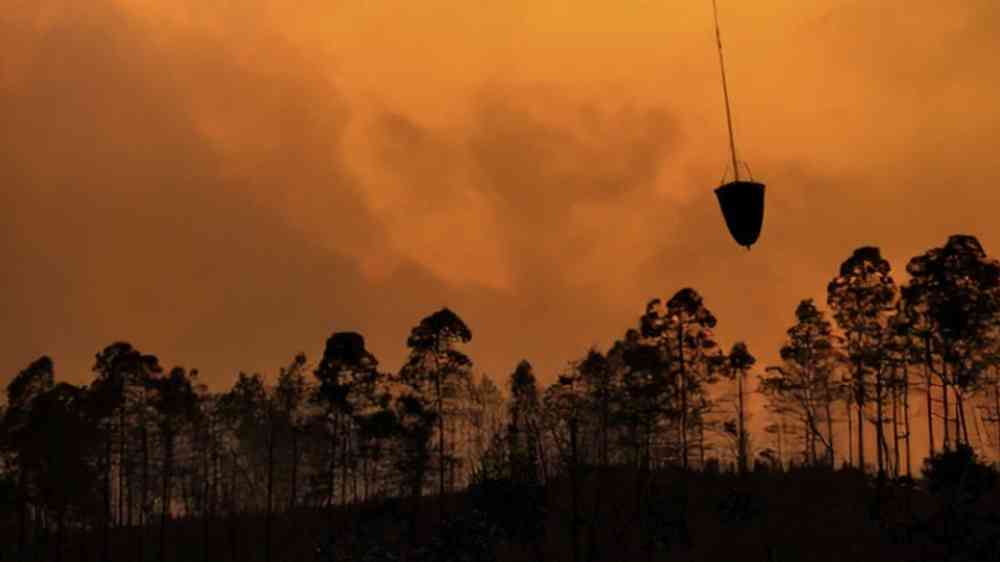
Wildfires burned through 390 million hectares in 2025 – equivalent to 92% of the European Union’s land area – yet the costliest event of the year, the January fires in and around Los Angeles, burned just 23,000 hectares while causing around USD 40 billion in insured damages.
Global disaster losses reached an estimated USD 224 billion in 2025, with less than half insured, Munich Re reported today. The January 2025 Los Angeles wildfires dominated headlines as the costliest single event of the year, but even in data-rich settings, large portions of wildfire damage fall outside official accounting. In many regions where fires burn most extensively, data gaps are far wider.
“Every year, institutions across the insurance industry, international organisations, and think tanks publish aggregate figures on disaster losses,” said Kamal Kishore, Special Representative of the UN Secretary-General for Disaster Risk Reduction. “But we need to do much more to improve the quality of data on disaster-related damages and losses.”
More than half of wildfire events recorded in international databases lack information on economic losses or the number of people affected. Reliable data is concentrated in a small number of high-income regions, while fire-prone areas across Africa and parts of Asia remain largely invisible in global risk metrics.
“Even when data exists, it is often focused on direct impacts and not enough on indirect impacts,” Mr Kishore said. “This is a major gap in how disaster risk is understood.”
Wildfire risk likely to continue to rise as settlements and high-value assets expand into fire-prone areas, increasing exposure even where total burned area has declined. Yet in many countries, wildfire risk is still missing from national risk profiles, investment decisions, and fiscal planning.
“We have ample data for large, visible disasters,” Kishore said, “but data on small- and medium-scale events remains patchy, particularly for slow-onset and creeping hazards.”
Unless the full range of wildfire impacts is measured – including long-term health effects, environmental degradation, and economic disruption – losses will continue to rise and prevention will remain underfunded.
Making these invisible costs visible is essential to reducing future risk and strengthening resilience as climate-related disaster risks continue to rise globally.