Africa Early Warnings Forum
2-4 September 2026 · Addis Ababa, Ethiopia

2-4 September 2026 · Addis Ababa, Ethiopia



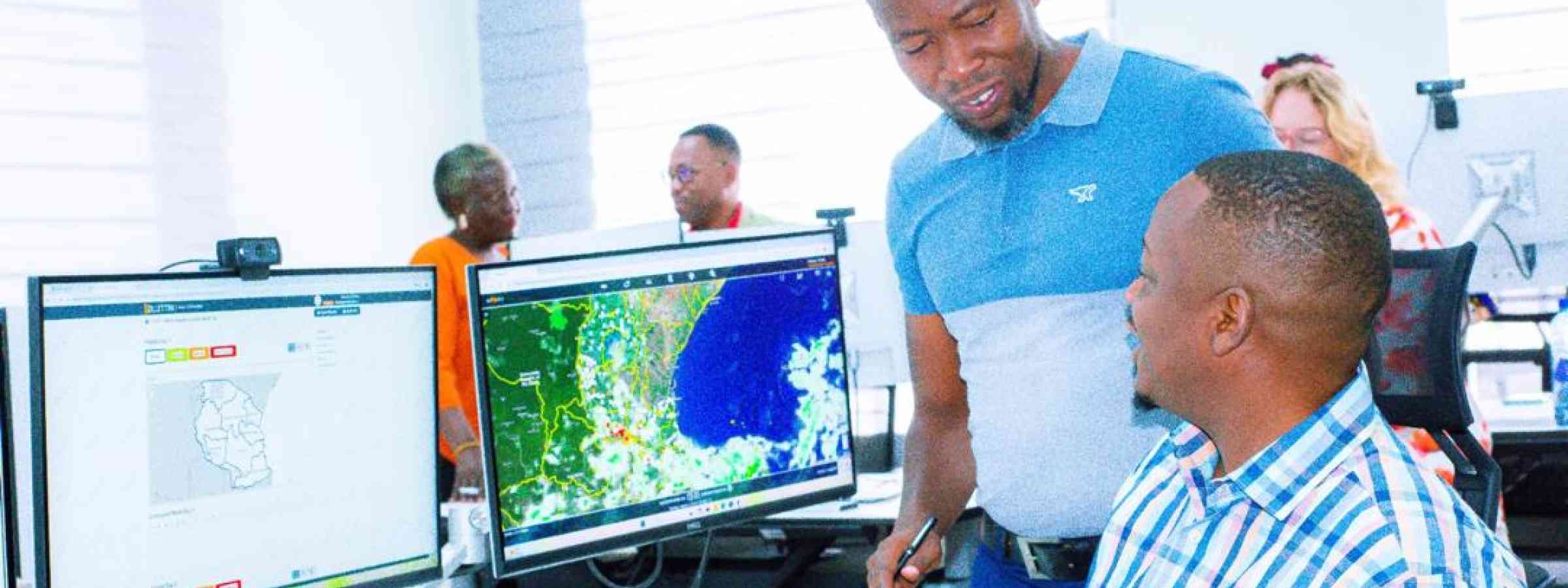
Launched by the United Nations Secretary-General in 2022, the Early Warnings for All (EW4All) initiative set an ambitious global goal: ensuring every person on Earth is protected by multi-hazard early warning systems. Significant progress has been made across Africa, including through the African Union's Multi-Hazard Early Warning and Early Action System (AMHEWAS), with advances in risk knowledge, forecasting capacity, and early action frameworks.
Africa has more than doubled its coverage - from 10 countries with early warning systems in 2015 to 26 in 2026.
Yet major gaps remain in infrastructure, last-mile communication, and sustainable financing, while climate and disaster risks continue to grow in frequency and complexity across the continent.
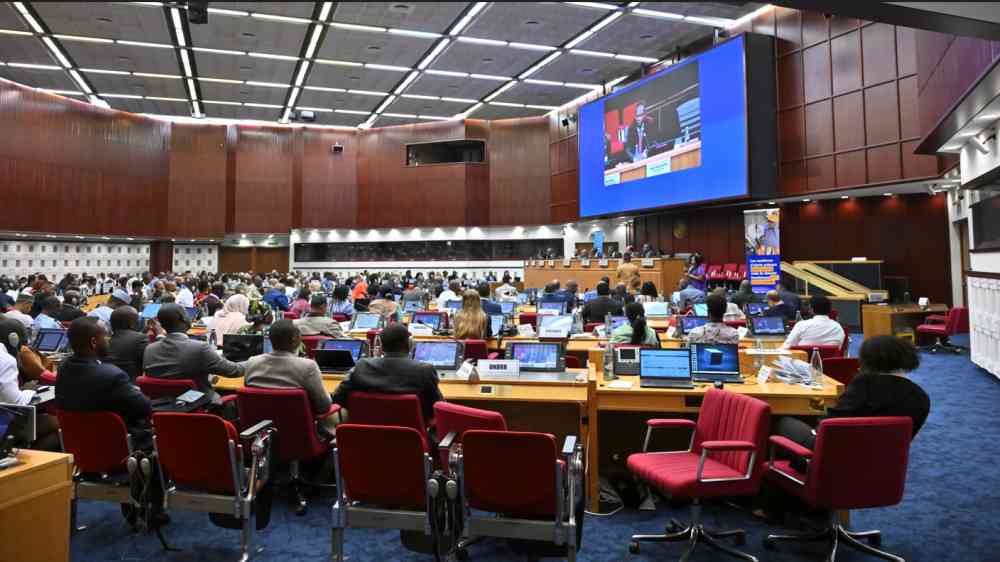
Bringing together representatives from a wide range of stakeholders - including Member States, Regional Economic Communities, regional organizations, technical agencies, the Red Cross Red Crescent movement, financing partners, private sector, civil society organizations, the media, and scientific institutions - the Forum will take stock of progress, identify operational priorities, and mobilise the financing and innovation needed to accelerate implementation across the continent.
Review country-level progress, identify what is working, and surface the gaps that still need closing.
Agree on the operational steps needed to scale early warning systems across the continent and keep them running over the long term.
Build the partnerships and financing strategies that will sustain early warning systems long after project funding ends.
All times are in East Africa Time (EAT, UTC+3). You can also download the agenda (PDF).
| Time | Session |
|---|---|
| 08:00-09:00 | Registration |
| 09:00-09:30 | Opening Ceremony Plenary - Conference Room 2 · English/French |
| 09:30-10:30 | Setting the Scene: Status of MHEWS in Africa Plenary - Conference Room 2 · English/French |
| 10:30-11:00 | Coffee Break |
| 11:00-12:00 | Are we prepared for El Niño 2026? Plenary - Conference Room 2 · English/French |
| 12:00-12:30 | Plenary scene setting: National Ownership and Regional Cooperation, Governance and Institutional Sustainability Plenary - Conference Room 2 · English/French |
| 12:30-14:00 | Lunch Break |
| 14:00-15:30 | Continuation in breakout rooms: National Ownership and Regional Cooperation, Governance and Institutional Sustainability Conference Room 2 (English/French) and Conference Rooms 3, 4 and 5 (English) |
| 15:30-16:00 | Coffee Break |
| 16:00-18:00 | Market Place Exhibition space The Market Place will remain open throughout the conference, Wednesday through Friday. This dedicated slot ensures all participants have time to visit. |
| Time | Session |
|---|---|
| 09:00-09:45 | Plenary scene setting: Inclusive and Last-Mile Systems Plenary - Conference Room 2 · English/French |
| 09:45-10:30 | Plenary scene setting: Technology, Innovation and AI Plenary - Conference Room 2 · English/French |
| 10:30-11:00 | Coffee Break |
| 11:00-12:30 | Parallel breakout: Technology, Innovation and AI Conference Room 2 (English/French) and Conference Room 3 (English) Parallel breakout: Inclusive and Last-Mile Systems Conference Rooms 4 and 5 · English |
| 12:30-14:00 | Lunch Break |
| 14:00-14:45 | Plenary scene setting: From Early Warning to Early and Anticipatory Action Plenary - Conference Room 2 · English/French |
| 14:45-15:30 | Plenary scene setting: Sustainable Financing Mechanisms Plenary - Conference Room 2 · English/French |
| 15:30-16:00 | Coffee Break |
| 16:00-17:30 | Parallel breakout: From Early Warning to Early and Anticipatory Action Conference Room 2 (English/French) and Conference Room 3 (English) Parallel breakout: Sustainable Financing Mechanisms Conference Rooms 4 and 5 · English |
| Time | Session |
|---|---|
| 07:30-09:00 | Partnership Breakfast (by invitation only) |
| 09:00-10:30 | Strategic Dialogue on Scaling up MHEWS in Africa Plenary - Conference Room 2 · English/French |
| 10:30-11:00 | Coffee Break |
| 11:00-12:30 | Closing Ceremony Plenary - Conference Room 2 · English/French |
More than 300 technical-level participants from across Africa.
Meteorological services, disaster risk reduction authorities, finance and planning ministries.
African Union, Regional Economic Communities, UN entities, IFRC and humanitarian agencies.
Development banks, climate finance, telecoms, satellite, AI, insurance and fintech.
Academia, research, civil society, youth and persons with disabilities.
The Forum is designed to produce shared commitments, practical recommendations and a clear regional picture of progress and remaining gaps.
A shared set of commitments and priority actions that participating countries and partners will carry forward to accelerate early warning coverage.
Concrete recommendations on how to govern, finance and sustain early warning systems over the long term.
A clear-eyed assessment of progress, remaining gaps, and the financing and partnership opportunities that can close them.
Download the agenda, concept note and participant information for full details of the Forum.
The Africa Early Warnings Forum is being co-organized by the United Nations Office for Disaster Risk Reduction (UNDRR), the World Meteorological Organization (WMO), the African Union Commission (AUC), the International Telecommunication Union (ITU), and the International Federation of Red Cross and Red Crescent Societies (IFRC).
In person
2-4 September 2026
English and French (simultaneous interpretation)
Please direct all correspondence relating to this forum to the UNDRR Regional Office for Africa:
Thank you. If you have 2 minutes, we would benefit from additional feedback (link opens in a new window).